
Pruning
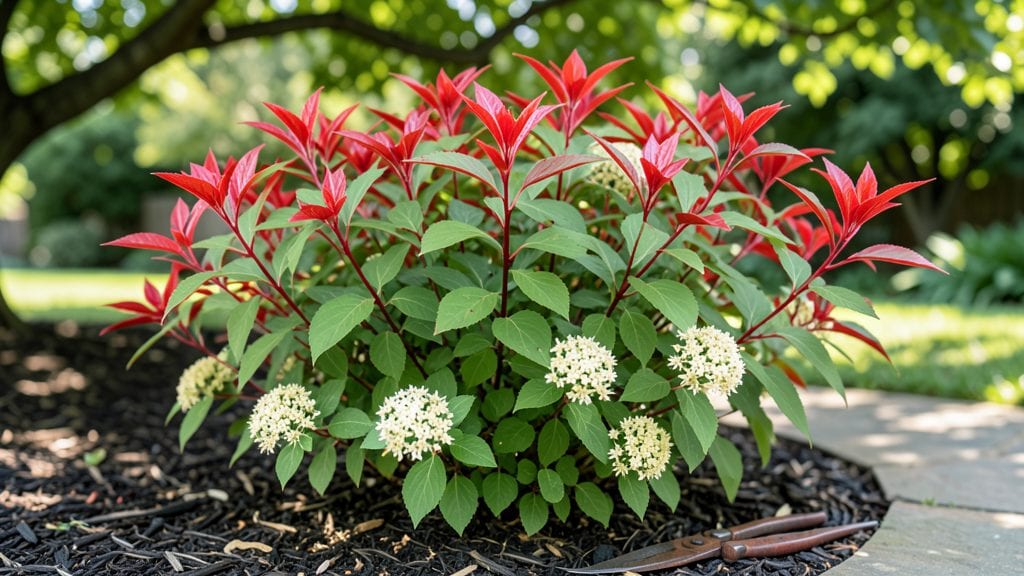
Popular red flower tree names include the Crape Myrtle (Lagerstroemia), Japanese Maple (Acer palmatum), and Royal Poinciana (Delonix regia), known for their striking seasonal blooms and ability to thrive across diverse climates. These varieties showcase unique flowering patterns and maintenance needs tailored to different growing conditions.
If you're looking for trees that bring bold color to your landscape, these red-blooming varieties are standout performers. 🌸 The Crape Myrtle, for example, delivers dramatic summer blooms that attract pollinators, while the Royal Poinciana bursts with fiery red flowers in late spring—ideal for tropical or Mediterranean climates.
Japanese Maples offer delicate lace-like foliage with subtle red tints, perfect for ornamental gardens where texture matters as much as color. What makes these trees especially versatile is their adaptability to different soil types and light conditions, though each has specific care preferences to maximize their vibrant displays.
For gardeners in cooler regions, the Cornus sericea (Red Osier Dogwood) provides year-round interest with its red stems and spring blooms, while the Nandina domestica (Heavenly Bamboo) thrives in shade with its clusters of red berries.
These alternatives prove that red flower trees aren't limited to sunny climates—there's a perfect match for nearly every landscape scenario. The key is understanding each species' native growing conditions to replicate them as closely as possible in your yard.
💡 In This Article
- Identifying Red Flower Trees by Seasonal Blooms
- Top Red-Blooming Trees for Landscaping and Privacy
Identifying red flower trees by seasonal blooms
Seasonal blooming patterns in red flower trees aren't random—they're tied to evolutionary adaptations that ensure pollination during optimal conditions. Spring-blooming varieties like the Cornus sericea (Red Osier Dogwood) time their flowers to emerge when pollinators are most active after winter dormancy.
These early bloomers often have 3-4 week flowering windows when temperatures stabilize between 50-70°F, while summer bloomers like Crape Myrtles (Lagerstroemia) extend their displays for 8-12 weeks by producing successive flower clusters. 🌸
The science behind this involves photoperiodism—how plants respond to daylight length. Royal Poinciana (Delonix regia), for example, requires 12+ hours of daylight to trigger blooming, which is why it thrives in tropical zones (USDA 10-11) where long summer days create ideal conditions.
In contrast, Japanese Maples (Acer palmatum) often bloom in early summer when soil temperatures reach 60°F, a cue that mimics their native Japanese climate where cool springs delay flowering until warmth arrives. This timing ensures pollinators are active while minimizing frost damage to delicate flowers.
Climate zones dramatically affect these cycles. A Crape Myrtle planted in USDA Zone 6 may bloom 2-3 weeks later than one in Zone 9 because cooler springs delay its growth cues. The same species might produce 20-30% fewer blooms in northern climates due to shorter growing seasons.
This is why gardeners in Zone 5 often choose early-blooming varieties like Cornus stolonifera (Red-Twig Dogwood) that can tolerate -30°F winters while still delivering vibrant red stems and spring flowers. 🌡️
Understanding these patterns helps you match trees to your local microclimate. For instance, if you're in a Mediterranean climate (like California's coastal regions) with mild, wet winters and dry summers, the Royal Poinciana will thrive with its late spring blooms timed to avoid summer drought stress.
In contrast, a humid subtropical zone (like the southeastern U.S.), the Crape Myrtle excels because its summer blooming coincides with peak humidity, creating ideal conditions for both flowers and pollinators.
Here's how to apply this knowledge practically: Observe your area's last frost date and average summer temperatures.
If your last frost occurs around April 15, spring-blooming trees like Viburnum bodnantense (Winter Lilac) will shine, while summer-bloomers like Hibiscus syriacus (Rose of Sharon) need 60+ days of warm weather to reach peak bloom.
For cooler regions, consider fall-blooming varieties like Parrotia persica (Persian Ironwood), which delivers fiery red flowers in October-November when many gardens are otherwise dormant. 🍂
The key takeaway is that seasonal timing isn't just about aesthetics—it's about survival strategies. By selecting trees whose blooming cycles align with your local climate, you're not just decorating your landscape; you're creating an ecosystem that supports both the trees and their pollinators.
This thoughtful matching can extend your flowering season by 3-4 months** through strategic plant placement and species selection. 🌿