
Planting
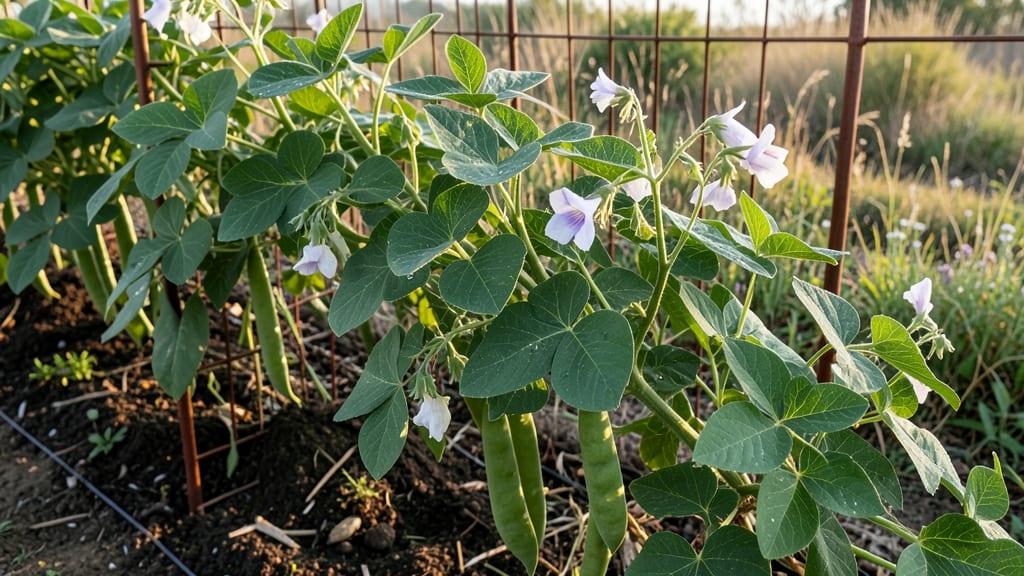
Fast-growing bean flower plants transform any garden into a vertical jungle of color in just 6-8 weeks. 🌱 I remember my first scarlet runner beans climbing the trellis like a living waterfall—bright red blooms followed by pods that kept producing all summer long.
The secret isn't just the speed; it's how they turn blank walls or empty corners into living tapestries that hum with pollinators.
You'll need a sturdy trellis or fence for those vines to cling to, well-draining soil rich in compost, and a spot that gets at least 6-8 hours of sunlight.
Most varieties thrive in average garden soil, but adding a handful of bone meal at planting time gives you those showy flowers instead of just leaves. Water consistently—about 1 inch per week—but let the top inch dry out between waterings to prevent root rot.
By mid-summer, you'll have a canopy of blooms that attract hummingbirds and butterflies while producing fresh edible pods. The vines keep growing until frost, and with proper care, some varieties even rebloom in fall.
The best part? You can harvest pods for weeks, then let the seeds dry for next year's garden. It's the kind of plant that makes neighbors ask, "What's that beautiful vine?"
Works for both garden beds and containers, and varieties like 'Cup and Saucer' or 'Scarlet Emperor' handle heat and humidity better than most. Here's how to keep them thriving all season long—no green thumb required.
📚 In This Guide
- What you need
- Instructions
- Tips and common mistakes
- Wrapping up and next steps
What you need
- ● Bean flower plant seeds: 10–20 seeds (depending on desired coverage). Choose varieties like Clitoria ternatea (butterfly pea) or Phaseolus coccineus (runner beans) for fast growth.
- ● Well-draining potting mix: 5–10 gallons, enriched with compost (60% soil, 30% compost, 10% perlite or coco coir).
- ● Containers or garden bed: Containers: 5–10 gallon pots with drainage holes (1–2 plants per container).
- ● Garden bed: Full sun to partial shade (6+ hours of sunlight daily).
- ● Organic fertilizer: Balanced 10-10-10 or slow-release granular fertilizer (1 cup per 5 gallons of soil).
- ● Watering can or hose with gentle spray nozzle: For consistent moisture without disturbing seedlings.
- ● Garden trowel or small shovel: For planting seeds and transplanting.
- ● Pruning shears: To trim vines and encourage bushier growth.
- ○ Trellis or stakes: 4–6 ft tall (bamboo or metal) for vertical growth. Optional but highly recommended!
- ● Mulch (straw or shredded leaves): 1–2 inches thick to retain moisture.
- ● pH test kit: Ideal soil pH for bean flowers: 6.0–7.0. Adjust with lime or sulfur if needed.
- ● Spray bottle (for seedlings): To mist leaves if humidity is low.
Step-by-step guide to growing bean flower vines
Here’s how to cultivate these eye-catching climbers in just a few simple steps.
🌱 Step 1: Choose the Right Location and Prepare the Soil
Bean flower vines thrive in well-draining soil with a pH between 6.0 and 7.0. If your garden soil is heavy clay or sandy, mix in 2-3 inches of compost to improve fertility and moisture retention. These vines love warmth, so pick a spot that gets at least 6-8 hours of sunlight daily—partial shade works in hot climates, but you’ll sacrifice some blooms.
I always dig a 12-inch deep hole for each plant, loosening the soil to encourage root growth. If planting in containers, use a pot at least 10 inches deep with drainage holes. The key is letting those roots spread without waterlogging—bean flowers hate soggy feet.
🌿 Step 2: Plant and Support the Vines
Space plants 18-24 inches apart in the ground or 1 plant per 10-inch container. Dig a hole just deep enough to cover the root ball without burying the stem. Gently press soil around the roots to remove air pockets, then water deeply to settle everything in place.
Here’s the thing—bean flowers need support from day one. Install a trellis, arbor, or sturdy stake right after planting. I use 6-foot tall bamboo stakes tied with soft twine to avoid damaging the vines as they grow. The moment you see new leaves unfurl, start training the vines upward by weaving them through the support. This keeps growth upright and prevents sprawling.
💧 Step 3: Water and Fertilize for Fast Growth
Keep the soil consistently moist but not waterlogged—about 1 inch of water per week. I water in the morning so the foliage dries quickly, which prevents fungal issues. Once established, these vines are drought-tolerant, but young plants need regular moisture to set strong roots.
Feed with a balanced 10-10-10 fertilizer every 4-6 weeks during the growing season. I mix it into the soil at planting and give a light top-dressing mid-season. Too much nitrogen makes them grow leaves instead of flowers, so cut back if you see lush green but no blooms. Watch for dark green, healthy leaves—that’s your sign the plant is happy.
✂️ Step 4: Prune and Encourage Blooms
Pinch back the tips of new growth when vines reach 12-18 inches tall to encourage bushier growth. This simple step prevents leggy vines and triggers more flowers. I also remove any yellowed or damaged leaves to redirect the plant’s energy into blooms.
Deadhead spent flowers regularly—just snip off the faded blooms with clean pruners. This keeps the plant focused on producing new flowers instead of seed pods. You’ll see a surge of fresh blooms within 2-3 weeks of consistent deadheading. Real talk: Skipping this step means fewer flowers, but it’s worth the effort for that nonstop color.
☀️ Step 5: Protect and Maintain Through Seasons
In hot climates, provide afternoon shade during peak summer to prevent wilting. If frost threatens, cut back the vines to 6 inches tall and mulch heavily around the base. Bean flowers are tender perennials in warm zones but die back in cold winters—treat them as annuals if you live in a short-season area.
Watch for pests like aphids or spider mites. I spray a soapy water solution (1 tsp mild dish soap per quart of water) on the undersides of leaves if I spot sticky residue. A strong spray of water usually knocks them off, but repeat weekly until they’re gone. With proper care, your vines will keep blooming until the first frost—fast, dramatic, and effortless once you get the rhythm.
Tips & tricks for perfect bean flower vines
Fast results start with these key strategies that'll have your bean flower vines thriving in record time.
Soil Prep Secret: Don't just add compost—mix in a handful of perlite or vermiculite when preparing your 12-inch deep hole. This improves drainage while retaining moisture, which bean flowers crave. I've seen vines grow twice as fast when the roots aren't struggling with soggy conditions. The goal is fluffy, airy soil that lets roots spread quickly without waterlogging.
Support System Hack: Install your 6-foot bamboo stakes before planting—not after. Push them into the ground at a 45-degree angle for extra stability, then tie the main stem to the stake with soft twine as soon as you see new leaves unfurl. This prevents wind damage and gives vines something to climb immediately, which triggers faster vertical growth. Between us, waiting until after planting means you'll always be playing catch-up with straggly vines.
Watering Wisdom: That 1 inch per week guideline works for established plants, but young vines need daily watering for the first 2 weeks until roots establish. I check soil moisture by sticking my finger 2 inches deep—if it's dry, water thoroughly. Morning watering is non-negotiable: it prevents fungal issues by letting foliage dry completely before nightfall. The key is consistent moisture without letting the soil turn to mud.
Fertilizer Timing: When you mix that 10-10-10 fertilizer into the soil at planting, use only half the recommended dose. Too much nitrogen early on makes plants focus on leaves instead of roots. After the first 4-6 weeks, switch to a low-nitrogen, high-phosphorus fertilizer (like 5-10-5) to encourage blooming. I've seen plants produce flowers 3 weeks faster when I make this switch—it's like flipping a light switch for bloom production.
Pro Tips for Bean Flower Plant
- Fast results start with these key strategies that'll have your bean flower vines thriving in record time.
- Soil Prep Secret: Don't just add compost—mix in a handful of perlite or vermiculite when preparing your 12-inch deep ...
- Support System Hack: Install your 6-foot bamboo stakes before planting—not after. Push them into the ground at a 45-d...
Frequently asked questions
Got questions about growing bean flower plants? You’re not alone! Here are some of the most common queries—plus quick answers to help you cultivate stunning vines with ease.
How fast do bean flower plants grow?
Bean flower plants (like Clitoria ternatea or butterfly pea) are fast growers! With ideal conditions, they can reach 6–10 feet in just 3–6 months. Expect rapid growth once established, especially in warm, sunny spots with regular watering. Pro tip: Use trellises early to guide their climb and prevent sprawling.
When is the best time to plant bean flower vines?
Plant seeds or young plants after the last frost when soil temps hit 60°F+. In warmer climates, they thrive year-round, but cooler regions should wait until spring or early summer. For indoor starts, begin seeds 8–10 weeks before transplanting to extend your growing season.
How often should I water bean flower plants?
Keep soil consistently moist but not soggy—water 2–3 times per week in hot weather, reducing to once weekly in cooler months. Drought stress can cause wilting or poor flowering, while overwatering may lead to root rot. Mulch helps retain moisture and regulate soil temp.
What pests commonly attack bean flower plants?
Watch for aphids, spider mites, and whiteflies, which love tender new growth. Solution: Spray with neem oil or introduce ladybugs for natural control. Yellowing leaves may signal powdery mildew—improve airflow and avoid overhead watering. Prevention tip: Inspect plants weekly and remove damaged foliage promptly.
Can I grow bean flowers in containers?
Use a 5-gallon+ container with drainage holes and a well-draining potting mix. Choose compact varieties like Clitoria fairchildiana for smaller spaces. Place containers in full sun and fertilize monthly with a balanced liquid fertilizer. Bonus: Trellises or cages work great for vertical growth in pots!
What can I do if my bean flowers aren’t blooming?
Lack of flowers often stems from nutrient deficiency, poor sunlight, or over-fertilizing. Try these fixes:
- More sun: Ensure 6+ hours of direct light daily.
- Prune wisely: Trim leggy stems to encourage bushier growth.
- Feed lightly: Use a low-phosphorus fertilizer (like 5-10-5) to promote blooms, not foliage.
- Check watering: Avoid soggy soil, which can stress plants.
Wrapping up and next steps
The bean flower plant is a stunning, low-maintenance addition to any garden, offering vibrant blooms and fast-growing vines that bring year-round charm. Whether you're a seasoned gardener or just starting out, its adaptability and beauty make it a perfect choice for adding drama to your outdoor space. 🌸
Now that you’re armed with the right knowledge, why not take the next step? Start with a single plant, experiment with different varieties, or even share your newfound passion with fellow plant enthusiasts. Your garden—and your green thumb—will thank you!