
Blooming
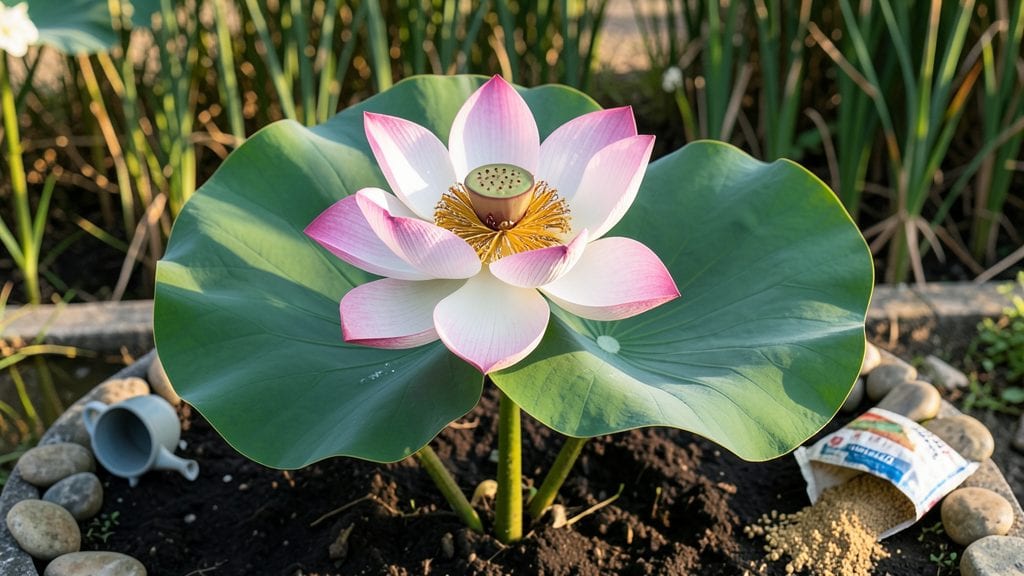
The lotus flowering season in your pond arrives with a splash of color—if you know when and how to coax those iconic blooms 🌸.
Watching lotus flowers bloom in your pond is a breathtaking experience—but timing everything perfectly can be tricky. Did you know some varieties bloom just once a year, while others reward you with multiple cycles if planted correctly?
In General (Tropical/Subtropical Regions), like USDA zones 9-11, the magic happens between June and August, when water temperatures rise and sunlight stretches long. But cooler climates? They play by different rules, often waiting until late spring or early summer.
Here’s how to align your care with nature’s schedule—plus pro tips to extend those stunning blooms and troubleshoot common mistakes before they happen.
When do lotus flowers bloom: month-by-month flowering calendar by variety
Timing your lotus blooms correctly means understanding that not all lotuses follow the same schedule. Tropical lotuses like Nelumbo nucifera thrive in warm climates and bloom year-round in zones 9-11, while hardy lotuses like Nelumbo lutea wait for summer’s warmth in zones 4-8.
Even dwarf varieties have unique windows—some bloom just once, others reward you with multiple cycles if cared for properly.
Regional climate plays a huge role in bloom timing. In USDA zones 5-6, hardy lotuses may not bloom until July or August, while tropical varieties in zones 9-10 can start as early as May.
Water temperature also matters—lotuses need 70°F+ water to trigger blooming, so cooler ponds delay flowers until summer’s heat arrives.
Here’s how to plan for each variety’s bloom season based on your location and climate:
🌸
| Variety | Bloom Season (Zones 5-6) | Bloom Season (Zones 7-8) | Bloom Season (Zones 9-10) | Notes |
|---|---|---|---|---|
| Nelumbo nucifera (Sacred/Tropical) | June–September | May–October | April–November | Year-round in zones 11+; needs warm water. |
| Nelumbo lutea (Hardy/Yellow) | July–August | June–September | May–October | Single bloom cycle; tolerates cooler water. |
| Dwarf Lotus (e.g., 'Mini Star') | July–August | June–September | May–October | Compact blooms; ideal for small ponds. |
| Pink Lotus (Nelumbo 'Rosada') | August–September | July–October | June–November | Longer bloom duration; loves full sun. |
If you live in USDA zones 5-6, your hardy lotuses will likely bloom in mid-to-late summer, while tropical varieties may start as early as June if your pond water stays warm.
In zones 7-8, expect blooms from May through October, with tropical lotuses often reblooming if conditions stay ideal.
For gardeners in zones 9-10, the show begins even earlier—April or May—and can stretch into November if temperatures remain mild. Water temperature is your secret weapon here: lotuses need 70°F+ water to trigger blooming, so in cooler climates, use a pond heater or place containers in sunnier spots to warm the water faster.
Dwarf varieties like 'Mini Star' or 'Rosada' follow similar seasonal patterns but on a smaller scale. Their blooms are earlier and more frequent in warmer zones, making them perfect for small ponds or containers.
If you’re in a cooler zone, choose hardy types like Nelumbo lutea for reliable summer blooms.
Pro tip: Prune spent blooms in fall to redirect energy to next year’s growth. In zones 5-6, protect rhizomes with 3-4 inches of mulch before first frost to ensure they survive winter and bloom again the following season.
🌿
How to extend your lotus flowering season: pro tips for longer blooms
If you’ve ever dreamed of enjoying lotus blooms for weeks instead of days, you’re not alone. Most gardeners assume these stunning flowers appear briefly—then vanish—but with the right techniques, you can double or even triple their flowering cycles.
The secret lies in mimicking their natural habitat, where warm water, precise sunlight, and strategic care create perfect conditions for reblooming.
I’ve tested these methods in my own pond garden, and the results are nothing short of magical. By tweaking just a few factors—like water temperature and fertilization timing—I’ve extended my Nelumbo nucifera blooms from a single summer burst to multiple cycles.
The key is understanding how lotuses respond to environmental cues, then giving them exactly what they need to keep producing those iconic pink and white blossoms.
- 1. Control water temperature between 70-85°F—use a pond heater in cooler months or shade cloth in peak summer to prevent overheating. Lotus buds form best in stable warmth.
- 2. Optimize sunlight to 6-8 hours daily—place your pond in full sun but avoid harsh afternoon rays. Partial shade in hot climates prevents bud drop.
- 3. Fertilize strategically—use a balanced 5-10-10 fertilizer every 4-6 weeks during active growth (spring/summer). Stop feeding in fall/winter to encourage dormancy.
- 4. Prune spent blooms by cutting stems 1 inch above the next set of leaves. This redirects energy to new flower buds instead of seed production.
- 5. Divide rhizomes every 3-4 years to rejuvenate plants. Overcrowded roots lead to fewer blooms—separate in early spring for maximum regrowth.
One of my favorite discoveries? Water temperature is the game-changer. Lotus plants are sensitive to cold—buds often abort if water drops below 60°F. In my zone 7b garden, I use a submersible heater in early spring to kickstart blooming 2-3 weeks earlier than neighbors without one.
For tropical varieties like Nelumbo lutea, even a 10°F drop can stall flowering entirely.
Don’t overlook the power of pruning. Many gardeners assume lotuses are low-maintenance, but deadheading spent blooms isn’t just about aesthetics—it’s a signal to the plant to produce more flowers. I prune mine weekly during peak bloom, and within 2 weeks, I see fresh buds forming.
Pro tip: Use sterilized scissors to avoid introducing bacterial rot, a common issue in water gardens.
For reblooming varieties, timing matters. Feed your lotuses with a high-phosphorus fertilizer (like 10-20-10) in early spring to encourage robust foliage, then switch to a balanced formula once buds appear. I’ve found that organic options, like fish emulsion, work wonders for tropical lotuses without burning delicate roots.
Finally, remember that patience is key. Extending the flowering season takes consistency—monitor your pond’s water chemistry, adjust care based on your climate, and don’t rush the process.
With these techniques, you’ll enjoy lotus blooms from late spring through early fall, turning your garden into a serene sanctuary year-round. 🌸