Trees
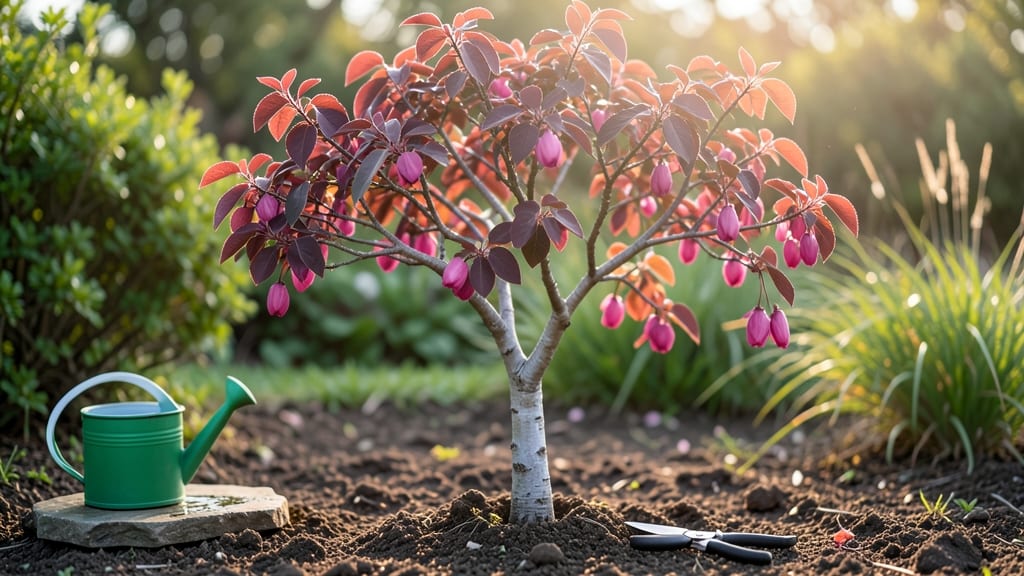
The prettiest flowering trees turn your yard into a living canvas of color and scent. 🌸 I’ve planted enough of these showstoppers to know which ones deliver year after year—from early spring blossoms to late-fall drama—and which ones just look pretty but don’t perform.
The secret isn’t just picking one tree; it’s layering varieties so your garden never loses its star power.
Picture a cherry blossom’s delicate pink clouds in April, followed by the bold purple spikes of crepe myrtle in summer, and then the fiery reds of Japanese maples in fall. These aren’t just pretty faces—they’re seasonal anchors that transform any space.
Most need full sun and well-drained soil, but a few, like dogwoods, tolerate partial shade, making them versatile for different garden spots.
By the time summer fades, your yard will hum with fragrance and color you’ll never want to end. Imagine sipping morning coffee under a fragrant magnolia in June or watching kids chase bees around a lilac bush in May.
The best part? These trees attract pollinators all season long, turning your garden into a thriving ecosystem.
Whether you’re going for a cottage garden vibe or a sleek modern look, these trees adapt—some stay compact for small yards, while others become grand focal points. Let’s dive into the top 10 that’ll make your neighbors green with envy (and maybe a little jealous).
📚 In This Guide
- What you need
- Instructions
- Tips and common mistakes
- Wrapping up and next steps
What you need
- ● Flowering Trees: Choose from cherry blossom (Prunus serrulata), crabapple (Malus spp.), magnolia (Magnolia grandiflora), or dogwood (Cornus florida). Buy 1-3 mature trees (3-5 ft tall) or 1-2 young saplings (1-2 ft) for smaller spaces.
- ● High-Quality Soil: 2-3 cubic yards of well-draining garden soil mix (amend with compost for nutrient-rich soil).
- ● Mulch: 3-5 bags of wood chips or pine straw (3-4 inches deep) to retain moisture and suppress weeds.
- ● Fertilizer: Slow-release balanced fertilizer (10-10-10 or 20-20-20) for planting, plus organic bloom booster (like fish emulsion) for seasonal care.
- ● Shovel & Spade: One round-point shovel and one flat-edged spade for digging.
- ● Pruning Shears: Bypass pruners for shaping and trimming (look for bypass blades for clean cuts).
- ● Garden Gloves: Heavy-duty, waterproof gloves to protect your hands.
- ● Watering Can or Hose: A 5-gallon watering can or soaker hose for deep watering.
- ● Measuring Tape: 10-15 ft for spacing trees properly (follow species-specific guidelines).
- ○ Stakes & Twine (Optional): 2-3 wooden stakes and jute twine to support young trees if needed.
- ● Sunlight Assessment: Confirm your planting spot gets full sun (6+ hours/day) or partial shade (4-6 hours), depending on the tree species.
- ○ Soil Test (Optional but Recommended): A DIY soil test kit or professional test to check pH and nutrient levels (ideal pH: 6.0-7.0 for most flowering trees).
- ● Local Climate Knowledge: Check your USDA Hardiness Zone to pick cold-hardy varieties (e.g., Magnolia grandiflora thrives in Zones 7-10).
- ● Permits (If Applicable): Verify if your area requires permits for large tree planting (common in urban or HOA-regulated zones).
How to select and plant the prettiest flowering trees for season-long beauty
Here's how to choose and establish stunning flowering trees that bring fragrance and color from spring to fall.
🌱 Step 1: Choose Trees Based on Bloom Time and Fragrance
Start by selecting trees that offer sequential blooms—this ensures your garden has color from early spring through late fall. I always pick at least two trees with different bloom periods: one early bloomer like Japanese cherry (Prunus serrulata) for spring, and a late-season performer like crabapple (Malus spp.) for summer. Fragrance matters too—look for varieties labeled "fragrant" like Bradford pear (Pyrus calleryana) or sweet almond (Prunus triloba).
Consider your climate zone. In cooler regions, dogwood (Cornus florida) thrives with its iconic spring blooms, while heat-tolerant crepe myrtle (Lagerstroemia) excels in southern gardens. Check the mature height of each tree—some like ornamental cherry (Prunus avium) grow to 30 feet, while dwarf flowering almond (Prunus glandulosa) stays under 10 feet. This ensures your tree fits the space without overwhelming it.
☀️ Step 2: Select the Perfect Planting Location
Most flowering trees need full sun (6-8 hours daily) for best blooms, but a few like serviceberry (Amelanchier) tolerate partial shade. Observe your yard's sun patterns—south-facing spots get the most light, while north sides may stay shady. Avoid planting too close to sidewalks or driveways; most trees need at least 15 feet of clearance for their mature spread.
Check underground utilities before digging—call 811 to mark lines. The root flare (where the trunk meets roots) should sit 2-3 inches above the surrounding soil when planted. If your soil is heavy clay, amend the planting hole with compost or organic matter to improve drainage. I always test drainage by digging a hole and filling it with water—if it doesn’t drain within 30 minutes, you’ll need to improve the soil.
🪴 Step 3: Plant with Proper Spacing and Support
Dig a hole twice as wide as the root ball but no deeper—this prevents soil compaction around roots. Gently remove the tree from its container and loosen any circling roots with your fingers. Place the tree in the hole, ensuring the root flare is visible above soil level. Backfill with native soil, tamping lightly every 6 inches to remove air pockets.
Water deeply to settle the soil, then add a 2-3 inch layer of mulch (like shredded bark) around the base, keeping it 6 inches away from the trunk to prevent rot. Stake only if necessary—young trees in windy areas benefit from one or two stakes and tree ties, but most mature trees don’t need support. I avoid over-tightening ties, as they can girdle the trunk as the tree grows.
💧 Step 4: Water and Fertilize for Strong Establishment
Water newly planted trees deeply every 3-5 days for the first 6-8 weeks, ensuring moisture reaches 12-18 inches deep. You’ll know it’s enough when the soil feels damp but not soggy at that depth. Overwatering suffocates roots, while underwatering stresses the tree. After establishment, most flowering trees need 1 inch of water weekly, though drought-tolerant varieties like desert willow (Chilopsis linearis) require less.
Apply a balanced, slow-release fertilizer (like 10-10-10) at planting time, then again in early spring. Avoid high-nitrogen fertilizers—they encourage leafy growth at the expense of flowers. I prefer organic options like composted manure or bone meal for a gentle nutrient boost. Prune only to remove dead branches in the first year; flowering trees often bloom on old wood, so heavy pruning reduces next year’s blooms.
Tips & tricks for perfectly planted flowering trees
These practical tips will help you transform your garden into a fragrant, colorful haven that blooms from spring to fall.
Climate Zone Intelligence: The right tree for your zone makes all the difference. For example, dogwood (Cornus florida) thrives in cooler regions with its iconic spring blooms, while crepe myrtle (Lagerstroemia) handles southern heat beautifully. Check your zone before buying—it's the single most important factor in long-term success. I always cross-reference with local nursery recommendations to avoid disappointment.
Root Flare Visibility: In Step 3, when planting, make the root flare (where trunk meets roots) clearly visible above soil level. This prevents suffocation and promotes strong growth. If you bury it too deep, water can't reach the roots properly, and the tree may struggle. Think of it as the tree's "belly button"—it needs to breathe!
Drainage Test: Before planting, do this quick test: Dig a hole, fill it with water, and time how long it takes to drain. If it's still standing after 30 minutes, amend your soil with compost or organic matter. Poor drainage is the #1 reason flowering trees fail—don't skip this step even if your soil looks fine.
Mulch Mastery: That 2-3 inch layer of mulch in Step 3 isn't just decoration—it's a moisture and temperature regulator. Keep it 6 inches away from the trunk to prevent rot, and use shredded bark or wood chips. I've seen mulch piled against trunks cause more damage than good. Think of it as a blanket for your tree's roots, not a mound.
Pro Tips for Prettiest Flowering Trees
- These practical tips will help you transform your garden into a fragrant, colorful haven that blooms from spring to fall.
- Climate Zone Intelligence: The right tree for your zone makes all the difference.
- Root Flare Visibility: In Step 3, when planting, make the root flare (where trunk meets roots) clearly visible above soil level.
Frequently asked questions
Got questions about choosing, planting, or caring for the prettiest flowering trees? You’re not alone! Here are answers to the most common queries to help you pick the perfect blooming beauty for your yard.
What’s the best flowering tree for small yards?
If space is limited, opt for compact varieties like the Japanese Maple (Acer palmatum) or Dwarf Crape Myrtle (Lagerstroemia). These trees stay manageable while delivering stunning blooms and vibrant foliage. Just ensure they get enough sunlight—most need 6+ hours daily.
When is the ideal time to plant a flowering tree?
The best times are early spring or fall (3–4 weeks before the first frost). This gives roots time to establish before extreme weather. Avoid planting in summer heat or winter freezes, as stress can stunt growth or reduce blooms. Pro tip: Water deeply after planting to settle soil around roots!
How much water do flowering trees need?
Newly planted trees need 1–2 inches of water weekly (deep watering 2–3 times per week). Once established, most flowering trees thrive on natural rainfall, but drought-tolerant picks like Bradford Pear or Fringe Tree need less. Watch for wilting leaves—a sign to water more!
Do flowering trees attract bees or pests?
Yes! Many flowering trees (like Dogwood or Magnolia) are bee magnets—great for pollinators but may require light pruning to manage overgrowth. To deter pests, choose resistant varieties (e.g., Redbud over Bradford Pear, which attracts borers). Regular inspections help catch issues early.
Can I grow flowering trees in pots?
Dwarf varieties like Weeping Cherry (Prunus serrulata ‘Kwanzan’) or Ornamental Pear (Pyrus calleryana ‘Aristocrat’) thrive in large containers (15+ gallons). Use well-draining soil and repot every 2–3 years. Just remember: potted trees need more frequent watering and may bloom less than in-ground trees.
What if my flowering tree isn’t blooming?
Common culprits include over-fertilizing (too much nitrogen), poor sunlight, or stress from transplant shock. Try pruning last year’s blooms (for spring bloomers like Crabapple) or fertilizing with phosphorus-rich food in early spring. If issues persist, check for pests or disease.
Wrapping up and next steps
Transforming your space into a blooming paradise doesn’t have to be complicated—just pick the right trees! From the delicate charm of cherry blossoms to the bold beauty of crape myrtles, these flowering trees bring year-round color, fragrance, and joy.
Whether you’re a seasoned gardener or just starting, there’s a perfect fit waiting for you.
Ready to plant your passion? Start small—research one tree that speaks to your style, then take the first step! Check local nurseries or online guides for varieties that thrive in your climate. Your future garden (and pollinators!) will thank you. 🌸✨