
Shrubs
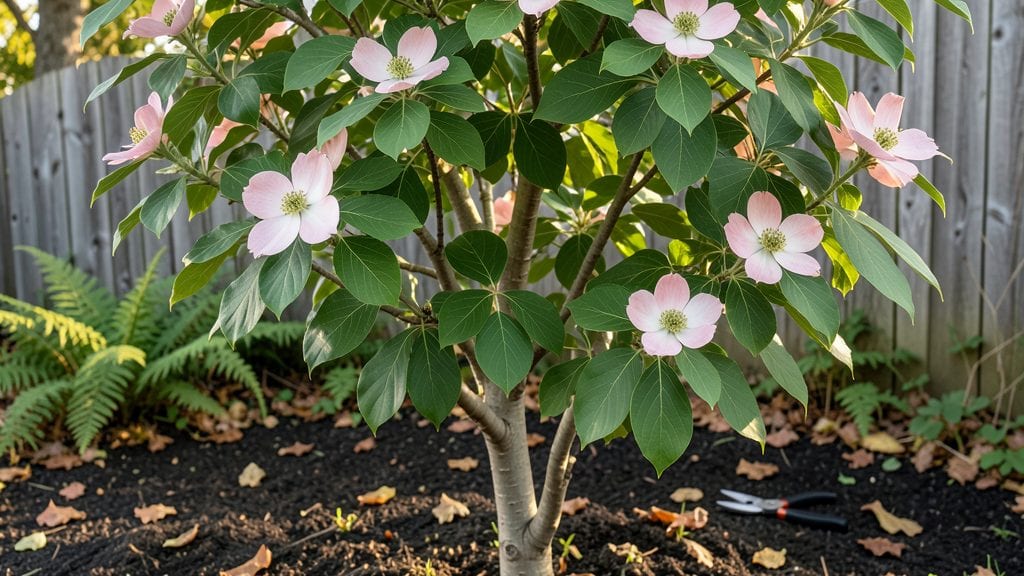
Flowering dogwoods care starts with the right light and soil—too much sun or the wrong pH, and those iconic blooms won’t last. I’ve learned the hard way that dogwoods thrive in dappled shade, not full sun, and their soil needs to be acidic, rich, and well-draining.
The first year I planted mine, I nearly killed it by overwatering and using alkaline soil from my yard. Now, I treat them like the divas they are—with just the right balance.
Most people skip the soil test, but dogwoods demand pH between 4.5 and 6.0—any higher, and the roots struggle. Amend your soil with peat moss or pine needles if needed, and mulch annually with 2-3 inches of shredded bark to lock in moisture.
Watering’s tricky too: deep soaks once a week (more in summer) beat frequent light sprinkles. My dogwoods now burst with blooms every spring, and the fall foliage is a showstopper—all because I finally got the basics right.
Pruning’s where the magic happens—or where you can ruin everything. Cut back dead branches in late winter, but never prune after mid-summer—that’s when new blooms form. Shape lightly to open the center for airflow, but avoid heavy cuts.
Fertilize in early spring with a balanced 10-10-10 or acidic fertilizer, and watch those blooms multiply. The payoff? A tree that looks stunning year-round, from snowy branches in winter to fiery red leaves in fall.
Here’s the secret I wish I’d known sooner: dogwoods reward patience. They grow slowly, so don’t rush them. If yours struggles, check the roots—compacted or waterlogged soil is a silent killer.
With the right light, soil, and a little TLC, your dogwood will outshine any other shade tree in the neighborhood. Let’s get yours thriving!
📚 In This Guide
- What you need
- Instructions
- Tips and common mistakes
- Wrapping up and next steps
What you need
- ● Flowering dogwood plant: Choose a healthy, disease-free specimen (bare-root or container-grown). Opt for Cornus florida varieties like 'Cherokee Brave,' 'Rubra,' or 'Stellar Pink' for vibrant blooms.
- ● Well-draining soil: A mix of 50% topsoil, 30% compost, and 20% perlite/sand (for sandy or clay-heavy soils). Aim for a pH of 4.5–6.0 (test with a soil kit).
- ● Mulch: 2–4 inches of organic mulch (e.g., shredded bark, pine straw, or wood chips) to retain moisture and regulate temperature.
- ● Watering can or hose: With a gentle spray nozzle (1–2 gallons per watering session for young plants).
- ● Fertilizer: A balanced, slow-release granular fertilizer (e.g., 10-10-10 or 20-20-20) or an acid-loving plant fertilizer (like for azaleas/rhododendrons).
- ● Pruning tools: Bypass pruners (for small branches, sharp and clean).
- ● Loppers (for thicker branches, 1.5–2 inches cutting capacity).
- ● Hand saw (for stubborn branches, curved blade preferred).
- ● Soil tester kit: To monitor pH and nutrient levels (especially if your area has alkaline soil).
- ● Drip irrigation system: For consistent moisture (great for drought-prone areas).
- ● Fungicide (copper-based or neem oil): For prevention of anthracnose or powdery mildew (common in humid climates).
- ● Plant support: A stake or cage (for young, top-heavy plants in windy areas).
- ● Garden gloves: To protect your hands during pruning or soil prep.
- ● Reflective mulch or shade cloth: For hot climates (to protect roots from overheating).
Step-by-Step instructions for flowering dogwood care
Here's how to nurture your dogwood into a stunning, long-lived centerpiece.
Plant in the Right Location for Year-Round Success
Flowering dogwoods thrive in partial shade, ideally receiving 4-6 hours of morning sun and afternoon shade. Too much direct sun scorches leaves, while too little light weakens flowering. I always plant mine where they get dappled shade from taller trees—this mimics their natural forest understory habitat. The soil should be well-draining but consistently moist, so avoid low spots where water pools after rain.
Dig a hole twice as wide as the root ball but only as deep. The top of the root ball should sit 1 inch above ground level—this prevents stem rot from sitting water. Gently loosen the roots if they're circling, then backfill with native soil mixed with 2 inches of compost. Water deeply to settle everything in place.
Water Deeply and Mulch for Moisture Retention
Water your dogwood deeply once a week during the first growing season, aiming for 1-2 inches of water per week. Let the top 2 inches of soil dry out between waterings to encourage deep root growth. Overwatering suffocates roots, while underwatering causes buds to drop before flowering. I use a soaker hose to deliver water slowly at the base—this prevents leaf diseases that thrive in wet foliage.
Apply 3 inches of mulch around the base, keeping it 6 inches away from the trunk to prevent rot. I use wood chips or shredded bark because they break down slowly while improving soil structure. Refresh mulch annually in late winter—this protects roots from temperature swings and conserves moisture.
Prune for Shape and Health After Flowering
Prune dogwoods immediately after blooms fade in late spring or early summer. This ensures next year's buds form properly—never prune in fall or winter, as you'll remove potential flower buds. Remove dead, crossing, or rubbing branches first, cutting back to the branch collar. Thin out crowded areas to improve airflow, which reduces powdery mildew risk.
For shaping, limit pruning to no more than 25% of the canopy at a time. Dogwoods respond poorly to heavy pruning—you'll see weak growth or no flowers if you cut too aggressively. Always use clean, sharp pruners and make cuts at a 45-degree angle just outside the branch collar. Seal larger cuts with pruning sealant to prevent disease entry.
Fertilize and Monitor for Pests/Diseases
Feed your dogwood in early spring with a balanced, slow-release fertilizer (10-10-10 ratio). Apply ½ cup per inch of trunk diameter, working the granules into the top 2 inches of soil. Avoid high-nitrogen fertilizers—they promote leafy growth at the expense of flowers. I also add 1 cup of bone meal around the drip line to boost phosphorus, which supports root and bloom development.
Watch for dogwood anthracnose, a fungal disease that causes leaf spots and wilting. If you see dark spots on leaves, remove infected foliage immediately and apply neem oil as a preventative spray. Scale insects and borers are less common but appear as sticky residue or sawdust-like frass. Treat with insecticidal soap at the first sign of infestation—dogwoods are sensitive to harsh chemicals.
Prepare for Winter Dormancy
In late fall, apply 4-6 inches of mulch around the base to insulate roots from freezing temperatures. Dogwoods are hardy to Zone 5, but young trees or exposed sites may need burlap wrap around the trunk for extra protection. Avoid heavy pruning in winter—dormant trees are more vulnerable to disease when stressed.
Water sparingly during dry winters—just enough to prevent soil from freezing solid. I check soil moisture by pressing my gloved finger 2 inches deep; if it's bone-dry, I give a light watering. This prevents root damage from alternating freeze-thaw cycles. With proper winter care, your dogwood will burst into vibrant blooms year after year.
Tips & tricks for perfect flowering dogwood care
These practical insights will help you create the ideal conditions for your dogwood to thrive and flourish year after year.
Location is Everything: When selecting your planting spot, pay close attention to the light pattern throughout the day. The 4-6 hours of morning sun mentioned in Step 1 should be gentle, not harsh. I recommend planting on the east side of your property where trees provide afternoon shade. If you're unsure about your site, observe how sunlight moves across the area during spring and summer before planting. This careful observation prevents the sunburn issues that often plague newly planted dogwoods.
Root Ball Placement Matters: The 1-inch elevation of the root ball above ground level in Step 1 is critical for preventing stem rot. I've seen many gardeners make the mistake of planting too deeply, which smothers the trunk. After planting, create a small berm of soil around the base to encourage water to flow away from the trunk. This simple technique mimics the natural forest floor where dogwoods originate and dramatically reduces disease risk.
Watering Wisdom: The once-weekly deep watering in Step 2 requires consistency, especially during the first growing season. I've found that using a rain gauge helps track your 1-2 inches of water per week more accurately than guessing. For established trees, let that top 2 inches of soil dry out between waterings—this encourages deep root growth rather than shallow, weak roots. In hot climates, you might need to water twice weekly, but always prioritize deep soakings over frequent light waterings.
Pruning Precision: Timing is everything when pruning in Step 3. I always mark my calendar for immediately after blooms fade to ensure I don't accidentally remove next year's flower buds. For shaping cuts, I use a small piece of masking tape on my pruners to mark the 45-degree angle before making each cut. This ensures clean cuts that heal properly. Remember that dogwoods are sensitive to heavy pruning—think of it as sculpting rather than aggressive trimming.
Pro Tips for Flowering Dogwood Care
- These practical insights will help you create the ideal conditions for your dogwood to thrive and flourish year after year.
- Location is Everything: When selecting your planting spot, pay close attention to the light pattern throughout the day.
- Root Ball Placement Matters: The 1-inch elevation of the root ball above ground level in Step 1 is critical for preventing stem rot.
Frequently asked questions
about flowering dogwood care—because even the most stunning shrubs need a little extra love! Here are answers to the most common questions to keep your dogwood thriving year-round.When is the best time to prune my flowering dogwood?
Prune your flowering dogwood right after flowering (late spring to early summer). This timing ensures you don’t cut off next year’s blooms, which form on old wood. Avoid heavy pruning in fall or winter, as it can stimulate weak growth vulnerable to cold damage.
Why aren’t my dogwood flowers as vibrant as they used to be?
Dull flowers often signal stress—check for underwatering, poor soil drainage, or too much shade. Dogwoods thrive in morning sun + afternoon shade and well-draining, slightly acidic soil (pH 4.5–6.0). Fertilize lightly in early spring with a balanced, slow-release formula if growth seems sluggish.
How do I protect my dogwood from winter damage?
Young or newly planted dogwoods benefit from a 3-inch layer of mulch around the base (keep mulch 6 inches away from the trunk). Avoid heavy pruning in late fall, and water deeply before the first hard frost if your area has dry winters. Mature trees usually handle cold well but may need wrapping with burlap in extreme winds.
What pests or diseases should I watch for in flowering dogwoods?
Keep an eye out for dogwood borers (tiny holes in bark) and powdery mildew (white fungal coating on leaves). Treat borers with beneficial nematodes or prune infested branches. For mildew, improve airflow, water at the base (not overhead), and apply neem oil if needed.
Can I grow a flowering dogwood in a container?
While possible, dogwoods are not ideal for containers due to their size (15–30 feet tall). If you must, choose a dwarf variety like ‘Purple Pillar’, use a large pot (20+ gallons), and repot every 2–3 years. Ensure the container has drainage holes and fresh, acidic potting mix annually.
Wrapping up and next steps
Caring for your flowering dogwood doesn’t have to be complicated—just consistent! 🌸 With the right balance of pruning, light exposure, and soil health, you’ll enjoy stunning blooms and lush foliage year after year.
Remember, patience and observation are key, especially when it comes to timing and technique.
Now that you’re armed with these flowering dogwood care secrets, why not take the next step?
- 📅 Mark your calendar for seasonal tasks like spring pruning or mulching.
- 🌱 Experiment with companion plants to enhance your dogwood’s natural beauty.
- 📸 Share your progress—tag us in your garden photos for inspiration!