Flowers
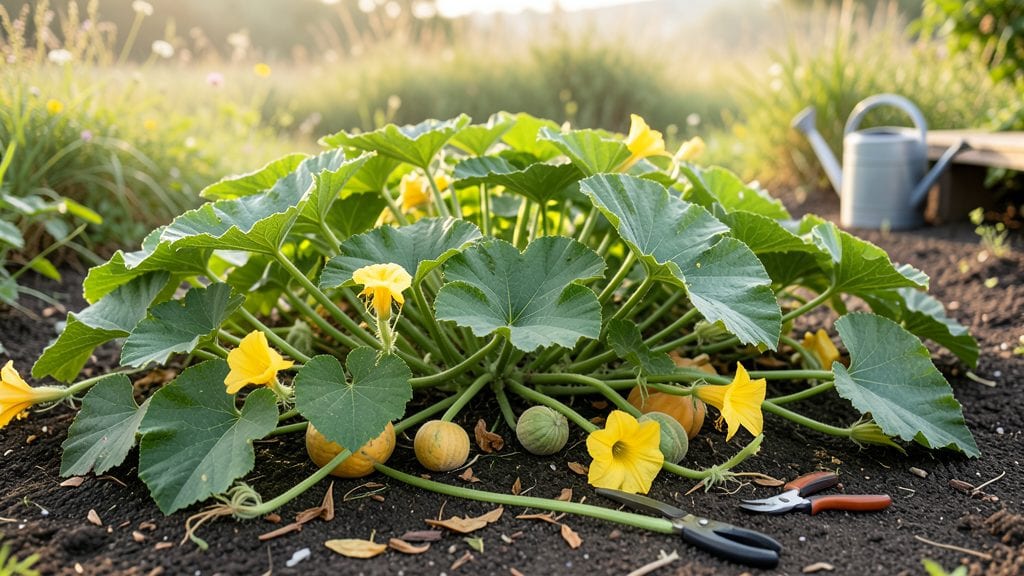
Pumpkin flower benefits span edible, medicinal, and gardening uses, from delicate salad garnishes to natural pest control and pollinator support. Their anti-inflammatory compounds and ornamental value make them a multi-purpose plant.
These vibrant blooms pack a nutritional punch—rich in vitamins A and C, plus antioxidants that fight inflammation. 🌸 In gardens, they act as a magnet for bees and butterflies while deterring pests like squash bugs naturally.
I’ve seen them transform both plates and landscapes when grown alongside other vegetables, boosting both harvests and aesthetics.
For culinary use, their mild, slightly sweet flavor pairs beautifully with cheeses or as a garnish, while traditional remedies often harness their anti-inflammatory properties. The key is harvesting them early in the morning when petals are fully open and vibrant.
💡 In This Article
- Culinary and Medicinal Properties of Pumpkin Flowers
- Garden and Agricultural Perks of Growing Pumpkin Flowers
Culinary and medicinal properties of pumpkin flowers
Pumpkin flowers are edible powerhouses packed with a delicate, slightly sweet flavor profile that resembles a cross between squash blossoms and zucchini flowers. Their nutritional profile includes vitamin A (beta-carotene), vitamin C, and trace minerals like potassium and magnesium.
The petals contain about 10-15 calories per 100 grams, making them a light but flavorful addition to dishes. What makes them unique is their high antioxidant content, particularly flavonoids like quercetin, which contribute to their medicinal properties.
The taste is often described as mild and slightly earthy, with a subtle floral note that enhances rather than overpowers other ingredients. When used raw, the petals have a crisp texture that softens slightly when cooked.
For culinary applications, I recommend harvesting the flowers in the early morning when they're fully open and vibrant.
The best way to prepare them is by gently rinsing the petals and removing any thick, fibrous parts at the base before using them in salads, fritters, or as a garnish for soups and pasta dishes.
Medicinally, pumpkin flowers have been used for centuries in traditional remedies, particularly for their anti-inflammatory and diuretic properties. Studies suggest that the flavonoids in these flowers can help reduce oxidative stress in the body.
In Ayurvedic medicine, they're often used to support kidney function and as a natural remedy for urinary tract issues. The flowers also contain compounds that may help regulate blood sugar levels, making them particularly interesting for those managing diabetes or prediabetes.
One of the most fascinating aspects is how these flowers interact with the body's systems. The cucurbitacins present in pumpkin flowers have been shown to have potential anti-cancer properties in preliminary research, though more studies are needed.
Historically, they've been used topically as a poultice for skin irritations and internally for digestive issues. The key is understanding that while they offer these benefits, they should be used in moderation—typically 1-2 flowers per day for culinary use and following traditional dosage guidelines for medicinal applications.
For those interested in culinary experimentation, pumpkin flowers pair exceptionally well with ingredients like goat cheese, prosciutto, and fresh herbs. A classic Italian preparation involves dipping the flowers in a light batter and frying them until golden.
The result is a crispy, flavorful bite that's both visually stunning and delicious. What's particularly exciting is how these flowers can elevate simple dishes into something special without requiring complex techniques.
What most people don't realize is that pumpkin flowers can also be preserved for later use. You can dry the petals and store them in an airtight container for up to 6 months, or even infuse them in oil for a unique culinary oil.
This preservation method allows you to enjoy their benefits year-round, regardless of growing season. The dried petals can be used as a tea, which is particularly soothing and aromatic.
When considering medicinal uses, it's crucial to source your flowers from organic, pesticide-free plants. Conventional pesticides can negate many of the health benefits, so if you're growing your own, using organic gardening practices is highly recommended.
The combination of their culinary versatility and medicinal properties makes pumpkin flowers a truly remarkable plant that deserves a place in both the kitchen and the medicine cabinet.