
Pruning
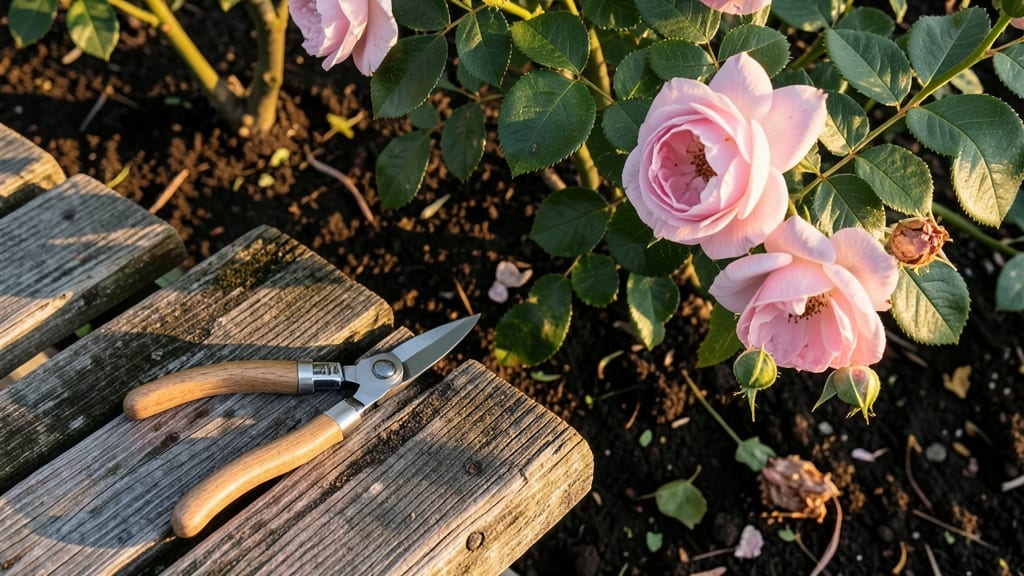
Deadheading does produce more flowers by redirecting a plant’s energy from seed production to new growth and flowering. This method works best on annuals, perennials, and shrubs like roses, but skip it for seed-saving varieties or plants with ornamental seed heads.
This technique triggers a plant’s natural growth hormones by eliminating spent blooms, which prevents the production of ethylene—a gas that signals aging. 🌸 For example, roses and zinnias respond dramatically to deadheading, often producing 30-50% more flowers over the season.
However, the timing matters: prune determinate plants (like tomatoes) immediately after flowering, while indeterminate varieties (like petunias) benefit from continuous removal of faded blooms throughout the growing season.
Beyond flower count, deadheading also improves plant health by reducing stress from seed development and encouraging stronger stems. Just remember—never cut into woody growth, and always use clean, sharp tools to avoid disease transmission. The key is consistency: a little maintenance now leads to a prolonged, more vibrant bloom later.
💡 In This Article
- How Deadheading Boosts Flowering Through Plant Physiology
- Best Deadheading Practices by Plant Type and Season
How deadheading boosts flowering through plant physiology
When you remove spent blooms, you're essentially interrupting a plant's natural reproductive cycle. The key mechanism involves ethylene gas—a plant hormone that accelerates aging and signals the plant to shift resources toward seed production. By deadheading, you prevent ethylene buildup, which would otherwise trigger leaf yellowing and flower drop.
Instead, the plant maintains its growth hormones like auxin (which promotes cell elongation) and cytokinins (which stimulate cell division), redirecting energy to lateral buds rather than seed development. 🌱
Determinate plants (like tomatoes or basil) have a fixed growth pattern and produce flowers in clusters that all bloom at once. These plants respond best to deadheading immediately after flowering, as they naturally stop growing once they've set fruit.
Indeterminate plants (such as petunias or roses), however, keep producing flowers continuously from the tips of their stems. For these varieties, regular deadheading—removing faded blooms every 2-3 days—can extend the flowering season by 40-60% by encouraging more lateral bud growth.
The hormonal shift is most dramatic in perennials, where removing spent flowers reduces abscisic acid levels—a stress hormone that would otherwise trigger dormancy. This is why roses, for example, can produce 50% more blooms when deadheaded consistently.
The plant's energy, which would have gone into developing seeds, instead fuels new flower buds along the stem. However, this response varies by species: some plants like snapdragons self-deadhead naturally, while others like impatiens require manual intervention to prevent seed formation. 🌹
Biennials and some ornamental grasses present exceptions to this rule. Plants like foxgloves or hollyhocks are biennials, meaning they store energy in their roots one year to flower the next. Deadheading these plants can actually reduce next year's blooms by preventing seed formation, which is how they propagate.
Similarly, grasses with decorative seed heads (like ornamental wheat) should never be deadheaded, as their seeds provide winter interest and food for wildlife. The key is understanding whether your plant prioritizes reproduction (seed production) or growth (more flowers).
What most gardeners don't realize is how quickly plants respond to deadheading. Within 24-48 hours of removing a spent bloom, you can often see new buds forming at the leaf axils.
This rapid response occurs because the plant's vascular system—its plumbing—quickly redistributes nutrients away from the old flower and toward developing buds.
The visual difference between a deadheaded plant and one left to seed is striking: the former remains lush and productive, while the latter becomes leggy and sparse as it diverts energy upward. 💡
For maximum effectiveness, deadhead in the early morning when plants are hydrated and temperatures are cooler. This timing reduces stress on the plant and allows it to recover more quickly.
Always use clean, sharp tools to make precise cuts just above a leaf node (where new growth emerges), as jagged cuts can introduce pathogens. The result? A plant that continues flowering well into fall, rather than tapering off as it prepares for seed production. 🌿