Companion Plants
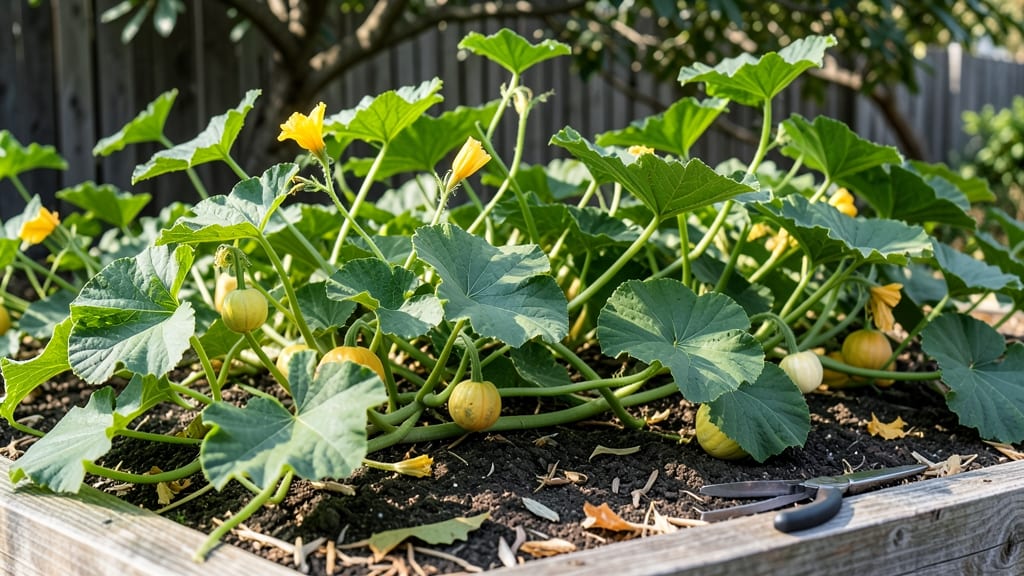
Pumpkin plants do have male and female flowers, and recognizing the difference is key to maximizing fruit yield. Male flowers appear first with long stems and no swelling at the base, while female flowers develop tiny pumpkins behind the blossom. Pruning excess male blooms can redirect energy to fruit production.
Pumpkin plants produce separate male and female blooms, a trait shared with other squash varieties like zucchini and cucumbers. 🌱 The male flowers open first and serve as pollinators, while female flowers—easily spotted by their small fruit bumps—indicate where new pumpkins will form.
Many gardeners focus on preserving female flowers to ensure a bountiful harvest, though balance matters too. Over-pruning males can actually stress the plant, so aim to keep about 3-4 males per female for optimal growth.
Understanding this distinction isn't just academic—it directly impacts your pumpkin harvest. Female flowers need successful pollination to develop into fruit, and male flowers play a crucial role in transferring pollen.
In hot, dry conditions, you might even need to hand-pollinate by transferring pollen from male to female flowers using a small paintbrush. This simple technique can dramatically increase fruit set when nature falls short.
💡 In This Article
- How to Distinguish Male vs Female Pumpkin Flowers
- Boosting Pumpkin Yield by Managing Flower Types
How to distinguish male vs female pumpkin flowers
Here's what's actually happening under those delicate petals: male and female pumpkin flowers have fundamentally different anatomy that serves distinct reproductive purposes. The male flowers develop first, typically appearing in clusters with long, slender stems measuring about 6-12 inches in length.
Their primary function is pollen production, with each flower containing 5 stamens that release pollen when mature. The female flowers, on the other hand, emerge slightly later and immediately reveal their purpose through a small, marble-sized swelling at the base of the blossom.
That swelling is actually the ovary beginning to develop - the future pumpkin! 🌱 The female flowers have a much shorter, thicker stem (usually 2-4 inches) and five petals that often appear slightly larger than male flowers.
What's fascinating is how this physical difference reflects the plant's reproductive strategy: males focus on pollen production while females prioritize fruit development. The ovary's presence creates a distinctive "bulb" shape that's impossible to miss once you know what to look for.
The timing difference between male and female flowers creates a natural pollination sequence that gardeners can leverage. Male flowers typically open in the morning and remain viable for just 1-2 hours before wilting, while female flowers open later in the day.
This staggered bloom pattern ensures pollen is available when female flowers are receptive. What most people don't realize is that each female flower only needs to be pollinated once to develop into a pumpkin - after successful pollination, the blossom wilts and the ovary begins its rapid growth into fruit.
For visual learners, here's how to spot them quickly: male flowers have no swelling at the base and hang from long stems like pendulums, while female flowers have that telltale small pumpkin bump behind the blossom.
The ovary's size can vary from a pea to a golf ball initially, depending on the pumpkin variety. Pro tip: Run your thumb along the stem - you'll feel that distinctive bump on female flowers that's completely absent on males.
Understanding this distinction becomes especially valuable when you consider the plant's energy allocation.
Each flower represents a potential fruit, and the plant must balance its resources between pollen production and fruit development. 💫 Female flowers require more energy to develop their ovaries, which is why you'll often see them appear later in the season when the plant has established stronger roots.
This biological timing ensures that only the healthiest plants produce fruit, creating larger, more vigorous pumpkins.
One common misconception is that all female flowers will develop into pumpkins. In reality, only about 50-70% of pollinated female flowers will successfully set fruit, depending on growing conditions.
This is why experienced gardeners focus on preserving the healthiest female flowers while strategically removing excess male flowers - it's not about eliminating all males, but about creating the right balance for optimal fruit production.