
Shrubs
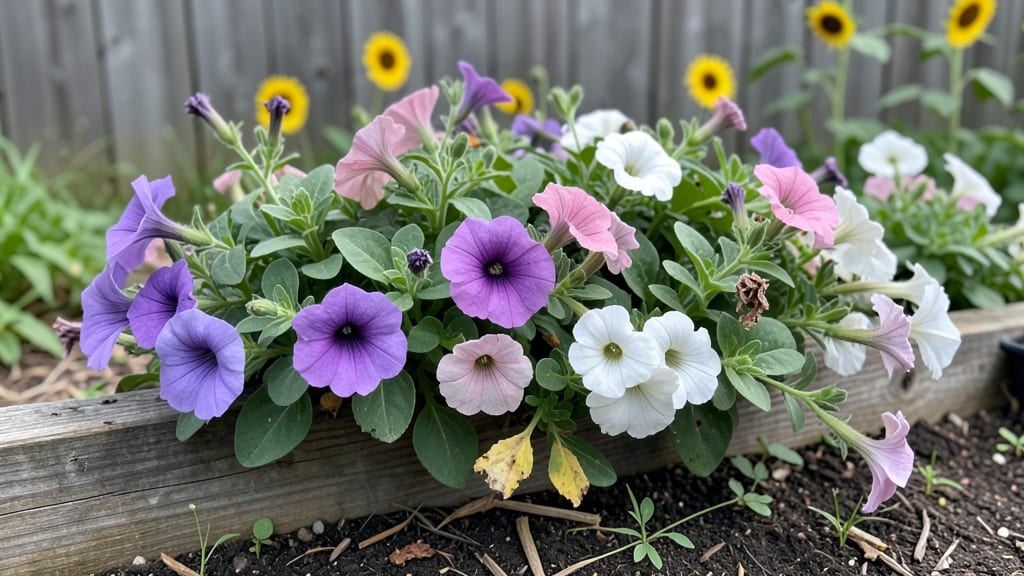
By week 8 flowering, your shrubs should be in full bloom—or at least showing serious promise if they’re on track. 🌸 I’ve watched hydrangeas, butterfly bushes, and even late-blooming roses hit this milestone, and it’s the perfect time to take action before summer’s heat slows things down.
This is when light levels peak, but so does competition for nutrients. Most shrubs need 6+ hours of sun daily and well-draining soil to keep flowering strong.
If yours are lagging, now’s the time to adjust watering (deep but infrequent) and add a balanced fertilizer—just don’t overdo it, or you’ll get leaves over blooms.
Here’s the game-changer: deadheading spent blooms right at this stage. Snip off faded flowers just above a set of leaves, and you’ll trigger a second wave of blooms by late summer. My hydrangeas now flower from June through September because of this simple trick.
Works for perennials like coneflowers, annuals like petunias, and even some roses. The key is consistency—check your shrubs weekly and act fast. Your garden’s about to get a lot more colorful.
📚 In This Guide
- What you need
- Instructions
- Tips and common mistakes
- Wrapping up and next steps
What you need
- ● Pruning shears or bypass pruners – Sharp, clean, and sterilized (avoid dull blades that crush stems). Quantity: 1 pair per 5-10 shrubs.
- ● Gloves – Garden-grade, cut-resistant (thorns + protection = a must!). Quantity: 1 pair.
- ● Disinfectant (70% isopropyl alcohol or bleach solution) – 1 part bleach to 9 parts water (sterilizes tools between cuts).
- ● Trash bag or bucket – For spent blooms and debris (line with a bag for easy cleanup).
- ● Watering can or hose – With a gentle spray nozzle (hydrate shrubs before and after pruning).
- ● Loppers – For thicker stems (e.g., hydrangeas or lilacs).
- ● Hand pruners with a bypass blade – More precise for delicate blooms (like roses or crape myrtle).
- ● Compost bin or bag – Repurpose spent blooms as nutrient-rich compost (skip if blooms are diseased!).
- ● Fertilizer (balanced 10-10-10 or bloom booster) – Apply post-pruning to encourage new growth.
- ● Knee pad or stool – For comfort when working with larger shrubs.
Step-by-Step instructions for deadheading week 8 flowering shrubs
Here's the precise technique I use to coax continuous blooms from summer's toughest shrubs.
✂️ Step 1: Identify and Prepare for Deadheading
First, examine your shrubs for spent blooms—those with dried petals or seed pods forming. Week 8 flowering shrubs like hydrangeas, abelia, and butterfly bush respond best when you deadhead immediately after flowers fade. I always work on a dry morning when stems are firm, not after rain when they're slippery.
Gather your tools: clean, sharp pruners (sterilized with rubbing alcohol) and gardening gloves to protect your hands. Avoid dull tools—they crush stems and invite disease. For large shrubs, I use bypass pruners for clean cuts; for smaller blooms, hand pruners work perfectly.
✂️ Step 2: Perform the Deadheading Cut
For most week 8 flowering shrubs, cut just above a leaf node or bud where new growth can emerge. Look for the small bump where leaves attach—the next set of blooms will form here. If you're working with a shrub like butterfly bush, cut back to a strong lateral branch to encourage bushier growth.
Never cut into old wood—this stresses the plant. For spirea or weigela, I make my cut at a 45-degree angle just above a leaf node to prevent water from pooling. The goal is to remove only the dead flower while preserving the plant's energy for new blooms.
✂️ Step 3: Clean Up and Monitor Growth
After deadheading, remove all spent blooms and debris from the base of the shrub. This prevents pests and disease from taking hold. I place the clippings in a compost bin (not the trash)—they'll break down quickly and return nutrients to your garden.
Watch for new buds forming within 7-10 days. If your shrub is slow to respond, it may need balanced fertilizer (like 10-10-10) applied to the soil. Over-fertilizing now can lead to leafy growth instead of flowers, so I always follow the package instructions for timing.
✂️ Step 4: Adjust for Shrub Type and Season
Not all week 8 flowering shrubs deadhead the same way. For hydrangeas, I cut back to the first set of five leaves below the spent bloom. For roses, I remove only the dead flower head, leaving the stem intact. Always research your specific shrub—some, like camellias, bloom on old wood and shouldn't be deadheaded at all.
By late summer, reduce deadheading frequency to every 2-3 weeks unless you see new buds forming. This gives the shrub time to harden off before fall. I mark my calendar now to prune lightly in early spring—this ensures a strong framework for next year's blooms.
Tips & tricks for perfect week 8 flowering shrub deadheading
Here's what nobody tells you about keeping your summer shrubs blooming like clockwork—these tricks make all the difference in your garden's second act.
Timing Secret: The 7-10 day window mentioned in Step 3 is your critical observation period. Mark your calendar when you deadhead—new buds typically appear within this timeframe, but only if you've cut at the right node. If you don't see buds forming after 14 days, your cut may have been too aggressive or into old wood. For hydrangeas specifically, I always check for new growth at the base of the stem where I made my cut.
Tool Technique: Sterilizing your pruners between shrubs (as mentioned in Step 1) isn't just about cleanliness—it's about disease prevention. I keep a small bottle of rubbing alcohol in my gardening tool caddy and wipe blades after every 3-4 cuts. For stubborn stems, I use a pair of bypass pruners—the clean cut prevents tearing that can stress the plant. Real talk: I've ruined perfectly good shrubs by using dull shears that crushed stems instead of cutting cleanly.
Pruning Angle Wisdom: That 45-degree angle mentioned for spirea and weigela in Step 2 isn't just decorative—it's functional. The angled cut prevents water from pooling at the stem junction, which could lead to rot. When making these cuts, I always visualize where rainwater would naturally run down the stem. For butterfly bush specifically, I make my cuts just above a strong lateral branch to redirect the plant's energy toward bushier growth rather than just upward.
Seasonal Strategy: The late summer adjustment in Step 4—reducing to every 2-3 weeks—is where many gardeners go wrong. I've seen perfectly healthy shrubs stressed beyond recovery because someone kept deadheading weekly into September. Instead, I use this rule of thumb: if you see new buds forming, keep deadheading; if not, let nature take its course. This gives your shrubs time to harden off before winter, which actually improves next year's blooms.
Pro Tips for Week 8 Flowering
- Here's what nobody tells you about keeping your summer shrubs blooming like clockwork—these tricks make all the difference in your garden's second act.
- Timing Secret: The 7-10 day window mentioned in Step 3 is your critical observation period.
- Tool Technique: Sterilizing your pruners between shrubs (as mentioned in Step 1) isn't just about cleanliness—it's about disease prevention.
Frequently asked questions
Got questions about keeping your shrubs blooming beautifully through week 8 flowering? Here are some common concerns—and expert answers—to help you troubleshoot and maximize those summer blooms!
What does "week 8 flowering" mean for my shrubs?
Week 8 flowering refers to the critical 8-week window after your shrubs first bloom when they’re most active in producing flowers. Deadheading (removing spent blooms) during this period encourages nonstop reblooming by redirecting energy to new flower growth instead of seed production. Think of it as a reset button for your shrubs!
When is the best time to deadhead my shrubs in week 8?
Deadhead right after the flowers fade but before the seed pods form—usually within 1–3 days. For example, if your hydrangeas bloom in early summer, aim to deadhead them by mid-July to kickstart fall reblooms. Morning sessions work best when flowers are dry and easy to handle.
How do I deadhead without harming my shrubs?
Use clean, sharp pruners to snip just above a leaf node (where leaves meet the stem) or a set of healthy buds. Avoid cutting into woody stems—this can stress the plant. For shrubs like roses or hibiscus, trim back to the first five-leaf cluster to promote bushier growth. Never remove more than 1/3 of the plant at once!
What if my shrubs aren’t reblooming by week 8?
Check for these common culprits:
- Over-pruning: If you cut too aggressively, the shrub may focus on regrowth instead of flowers.
- Nutrient deficiency: Feed with a balanced fertilizer (10-10-10) or bloom booster in early summer.
- Poor sunlight: Some shrubs (like petunias) need 6+ hours of sun daily.
- Disease/pests: Yellow leaves or holes? Treat with neem oil or insecticidal soap.
If the issue persists, your shrub might be seasonal bloomer (e.g., spring-only lilacs). Research your variety!
Can I deadhead annuals the same way as shrubs?
Not exactly! While deadheading encourages reblooming in both, annuals like marigolds or zinnias often benefit from pinching (removing the entire spent flower stem) to prevent legginess. For shrubs, focus on selective trimming of faded blooms. Pro tip: Use a small pair of scissors for precision with delicate annuals!
Wrapping up and next steps
You’ve reached Week 8 flowering—congrats! 🌸 By mastering deadheading, pruning, and a little extra TLC, your shrubs are now primed for nonstop summer blooms. Remember, consistency is key: a few minutes weekly keeps those flowers popping like clockwork.
Ready to keep the magic going? Next, schedule a mid-summer soil check—test pH and nutrients to ensure your shrubs stay thriving. Happy gardening! 🌿✨