
Plants
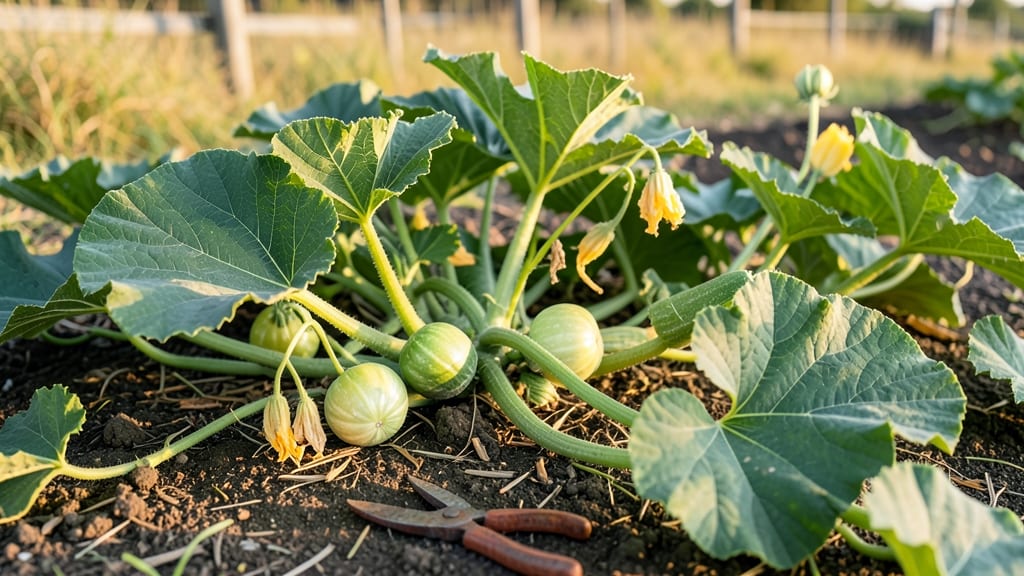
When the squash flowers falling off your plants before pollination, your zucchini harvest vanishes faster than you can say "zucchini"—especially after days of soggy soil. The good news? This is one of the easiest problems to fix once you know what’s really going on with those wilting blooms.
Overwatering isn’t the only culprit, but it’s the sneakiest one. Too much moisture drowns roots, starves flowers of the energy they need to set fruit, and even attracts pests that chew up buds before they open.
But here’s the thing—most gardeners (myself included) overcorrect by cutting back too much, which stresses plants just as badly. The sweet spot? Soil that’s damp but never soggy, like a wrung-out sponge.
Within 3-5 days of adjusting watering and adding a balanced fertilizer, you’ll see new blooms holding strong. Hand-pollination gives you extra insurance, especially on cloudy days when bees stay home.
Imagine plucking fat, glossy squash from the vine instead of watching flowers drift to the ground—it’s a game-changer for summer harvests.
This works for both backyard gardens and container-grown squash. The key is consistency: check soil moisture daily during heatwaves, and always water at the base, not the leaves. Your plants will thank you with bushels of fruit instead of empty vines.
Root Causes of Premature Bloom Loss
Understanding why your squash flowers keep dropping is the first step to saving them—and your future harvest! 🌱💔 These delicate blooms are highly sensitive to environmental stress, and several key factors can trigger their early detachment.
Let’s break down the science behind the problem so you can address it with precision.
---
Squash plants thrive in well-draining soil, but excess moisture—especially when combined with poor drainage—can suffocate roots and trigger flower drop. Here’s why: - Root Stress: Overwatered plants develop anaerobic conditions (lack of oxygen in soil), which weakens roots.
Without stable nutrient and water uptake, flowers abort as a survival mechanism. - Fungal Risks: Soggy soil breeds pathogens like Phytophthora or Pythium, which attack root systems.
Infected plants divert energy away from blooms, causing them to fall prematurely. - Nutrient Imbalance: Overwatering leaches essential nutrients (like calcium, magnesium, and potassium), critical for flower development. Deficiencies manifest as blossom end rot (in fruits) or premature drop.
Actionable Fix: - Test soil moisture by sticking your finger 1–2 inches deep—water only when dry. - Amend soil with perlite or compost to improve drainage. - Use drip irrigation (not overhead watering) to keep foliage dry and roots healthy.
---
Squash flowers are nutrient-hungry, and even minor deficiencies can halt their development. The most common culprits: - Calcium (Ca): Critical for cell wall integrity. A deficiency causes blossom drop and poor fruit set.
Symptoms include brown, mushy spots on young flowers. - Potassium (K): Supports enzyme activity in flower formation. Low K leads to weak stems and early bloom abortion. - Nitrogen (N): While too much N promotes foliage over flowers, too little stunts bloom production entirely.
Actionable Fix: - Conduct a soil test to identify deficiencies. - Apply calcium-rich amendments (crushed eggshells, lime) or a balanced fertilizer (like 10-10-10) at first bloom. - Foliar spray with calcium nitrate can provide a quick boost.
---
Squash flowers are extremely sensitive to temperature swings, humidity, and wind.
Here’s how each factor plays a role: - Extreme Heat or Cold: - Above 90°F (32°C): Pollen production stops, and flowers wilt or drop within hours. - Below 50°F (10°C): Metabolic processes slow, halting flower development. - Low Humidity: Dry air causes stomatal closure, reducing nutrient transport to blooms. - Strong Winds: Physically shakes off flowers before pollination occurs.
Actionable Fix: - Shade cloth (30–50%) during heatwaves to protect blooms. - Mulch heavily to regulate soil temperature. - Stake or cage plants to shield flowers from wind.
--- Even healthy flowers can drop if pollination fails. Squash relies on bees, wind, or manual help to fertilize blooms.
Common issues: - Lack of Pollinators: Modern squash varieties often need physical vibration (like bees landing) to release pollen. - Poor Weather: Rain or cold can keep bees indoors, leaving flowers unpollinated. - Self-Sterility: Some varieties (like acorn squash) may drop flowers if not cross-pollinated.
Actionable Fix: - Hand-pollinate by gently shaking plants in the morning or using a paintbrush to transfer pollen. - Plant bee-friendly flowers (like marigolds or borage) nearby to attract pollinators. - Water in the early morning to ensure bees are active by midday.
--- Hidden pests or pathogens can sap energy from your squash plant, causing it to drop flowers as a last resort.
Watch for: - Squash Vine Borers: Larvae burrow into stems, cutting off nutrient flow to blooms. - Aphids/Spider Mites: Sap-sucking pests weaken plants, reducing flower viability. - Powdery Mildew: Fungal infection clogs stomata, starving flowers of CO₂.
Actionable Fix: - Inspect stems for sawdust-like frass (borer sign) or yellowing leaves (mites). - Neem oil spray or insecticidal soap for soft-bodied pests. - Remove infected leaves and apply copper fungicide for mildew.
--- Too much nitrogen promotes leafy growth at the expense of flowers. While greens look lush, the plant prioritizes foliage over reproduction, leading to: - Excessive vine growth but fewer blooms. - Weak flower stems that can’t support developing fruits.
Actionable Fix: - Switch to a bloom-boosting fertilizer (high in phosphorus, like 5-10-10). - Flush soil with water if you’ve over-applied nitrogen. - Prune lower leaves to redirect energy upward.
--- Even well-established squash can drop flowers if roots are disturbed during: - Transplanting: Damaged roots take weeks to recover, delaying flowering. - Weeding or Cultivating Too Deep: Can sever fine root hairs critical for nutrient uptake.
Actionable Fix: - Transplant seedlings only when they have 4–5 true leaves and hardened off. - Mulch heavily (3–4 inches) to protect roots from temperature swings. - Avoid deep tilling near the base of the plant.
Revive Your Squash Blooms Now
Watching your squash flowers drop before they can pollinate is frustrating—but the good news is, most causes have simple fixes. Below, we’ll map the most common reasons your flowers are falling off to actionable solutions, plus tips to keep your plants thriving. Let’s get those blooms back on track!
If your soil is soggy or waterlogged, roots suffocate, and flowers detach before pollination. Here’s how to fix it:
#### 💦 Step 1: Check Your Soil - Stick your finger 2 inches deep into the soil. If it’s damp, wait to water. - Use a moisture meter for accuracy—aim for slightly dry soil at the root level. - Pro tip: 🌡️ Amend heavy clay soil with compost or coconut coir to improve drainage. #### 🚿 Step 2: Adjust Your Watering Routine - Water deeply but less often—1–2 inches per week (adjust for rain). - Water at the base (not leaves) to prevent fungal diseases that stress plants. - Mulch heavily (2–3 inches of straw or shredded leaves) to retain moisture and regulate temperature. #### 🌿 Step 3: Give Roots Room to Breathe - If your squash is in containers, upgrade to a larger pot (minimum 5-gallon size for bush varieties, 10+ gallons for vining types). - For in-ground plants, avoid compacting soil around the base—loosen gently with a fork if needed.Extreme heat (above 90°F) causes flowers to drop before pollination. Here’s how to shield your plants:
#### 🧊 Step 1: Provide Shade Cloth - Install 30–50% shade cloth over young plants during peak sun (10 AM–4 PM). - Use lightweight row covers if temperatures are consistently extreme. #### 💧 Step 2: Hydrate Strategically - Water in the early morning (before 8 AM) to keep foliage cool. - Mist leaves lightly on scorching days (but avoid wetting flowers to prevent rot). #### 🌿 Step 3: Boost Airflow - Space plants 3–4 feet apart (or prune vines to improve circulation). - Train vines upward with trellises to keep them off hot soil.If flowers drop due to poor pollination (common in greenhouses or humid climates), take matters into your own hands:
#### 👨🍳 Step 1: Identify Male vs. Female Flowers - Male flowers have a long stem and no bulb at the base. - Female flowers have a tiny squash (pea-sized) at the base. #### 🌸 Step 2: Pollinate Manually - Best time: Morning when flowers are open. - Use a soft paintbrush or cotton swab to transfer pollen from male to female flowers. - Alternative: Gently shake plants near bees (if outdoors) to encourage natural pollination. #### 💡 Pro Tip: 🎯 Plant bee-friendly flowers nearby (like marigolds or borage) to attract pollinators naturally.Powdery mildew or downy mildew can weaken flowers, causing them to drop. Act quickly:
#### 🧼 Step 1: Remove Infected Parts - Snip off yellowing or spotted leaves and dispose of them (don’t compost). - Isolate affected plants to prevent spread. #### 🌿 Step 2: Treat with Fungicides - Preventative spray: Mix 1 tsp baking soda + 1 quart water + a drop of dish soap. Spray undersides of leaves weekly. - For severe cases: Use neem oil (follow label instructions) or a copper-based fungicide. #### 💡 Pro Tip: 🌡️ Water at the base only and avoid overhead watering to keep foliage dry.Stop the cycle with these long-term fixes:
- ✅ Test your soil (pH 6.0–6.8 is ideal for squash). Amend with lime (to raise pH) or sulfur (to lower it) if needed.
- ✅ Fertilize lightly—too much nitrogen = more leaves, fewer flowers. Use a balanced 10-10-10 or 5-10-10 fertilizer when flowers appear.
- ✅ Rotate crops—don’t plant squash in the same spot yearly to prevent disease buildup.
- ✅ Prune suckers (side shoots) to direct energy toward fruit production.
With these fixes, your squash plants should rebound quickly—and those flowers will stick around long enough to turn into delicious harvests! 🎉
Frequently asked questions
Why do my squash flowers keep falling off even when they look healthy?
Healthy-looking flowers often drop due to hidden issues like temperature stress (above 90°F or below 50°F) or poor pollination. Squash relies on bees or wind to transfer pollen—if flowers aren’t getting pollinated, they’ll drop within 24 hours. Try hand-pollinating with a paintbrush in the morning when blooms are fresh.
How can I tell if my squash plant is overwatered vs. underwatered?
Overwatered plants have yellowing leaves, mushy stems, and soil that smells sour. Underwatered plants wilt, with dry soil pulling away from pot edges. Stick your finger 1–2 inches deep—if it’s damp, wait to water. Squash prefers soil that’s moist but not soggy, like a wrung-out sponge.
Will hand-pollinating squash flowers actually work?
Squash flowers often need a little help, especially in greenhouses or when bees are scarce. Use a soft paintbrush to transfer pollen from male (long-stemmed) to female (with tiny squash at the base) flowers in the morning. This mimics how bees vibrate plants naturally—just be gentle to avoid damaging delicate petals.
Can I save my squash plant if the flowers keep dropping?
Yes, but act fast! First, check for root rot (black, mushy roots) or pests (like squash vine borers). Trim damaged roots, repot if needed, and apply neem oil for pests. Then adjust care: reduce watering, add mulch, and fertilize with phosphorus-rich (like 5-10-10) to encourage blooms. With these fixes, new flowers should appear within 7–10 days.
Why do some squash varieties drop flowers more than others?
Some varieties, like acorn squash, are more sensitive to temperature swings and require cross-pollination. Others, like zucchini, are hardier but still need consistent care. Choose heat-tolerant varieties (e.g., ‘Eight Ball’ zucchini) if your climate has extreme heat. Always plant male and female flowers nearby to improve pollination success.