
Pruning
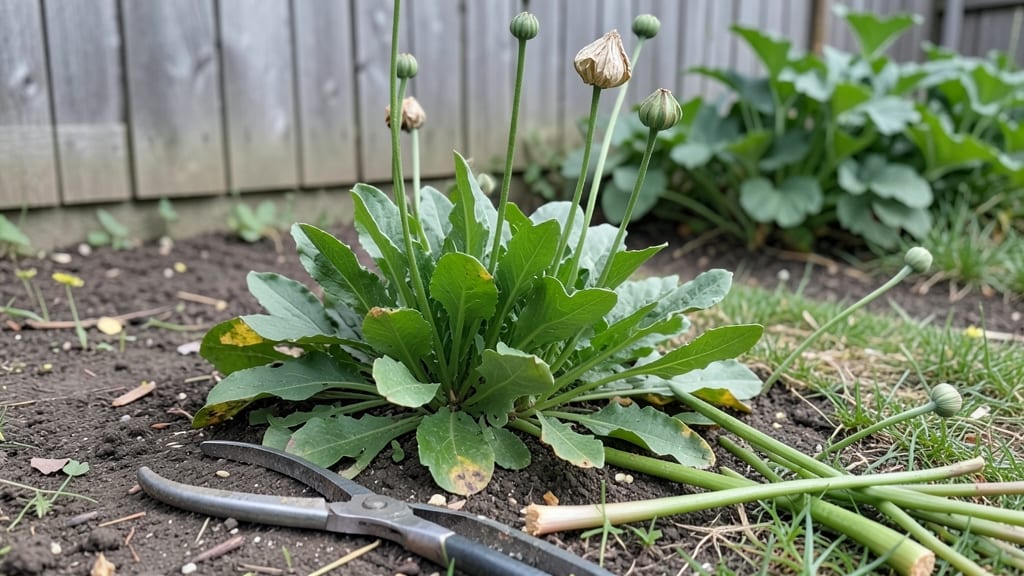
Cutting back balloon flowers at the right moment transforms a single season of blooms into years of vibrant, repeat performances. I learned this the hard way—after over-pruning my first batch and watching them struggle to recover. These striking blue-purple flowers deserve better than that.
The key is timing: prune right after the blooms fade in late summer or early fall, when the seed pods haven’t fully formed yet. Use clean, sharp pruners to cut back stems to about 2 inches above the ground, removing any dead or damaged foliage.
This encourages fresh growth before winter sets in.
You’ll notice new shoots emerging in spring, stronger and more compact than before. The plants stay neat, bushy, and productive for years, with fewer gaps where pests or diseases can take hold. Just avoid cutting back in fall if your winters are harsh—wait until early spring instead.
For colder climates, a light trim in late fall (after frost) helps protect the plant from heavy snow. The goal is to balance renewal and protection, so don’t rush—balloon flowers reward patience with stunning, long-lasting blooms every season.
📚 In This Guide
- What you need
- Instructions
- Tips and common mistakes
- Wrapping up and next steps
What you need
- ● Pruning shears – Bypass-style (sharp, clean cuts; avoid anvil shears to prevent crushing stems). Quantity: 1 pair.
- ● Garden gloves – Cut-resistant (protects hands from thorns or rough stems). Quantity: 1 pair.
- ● Disinfectant (70% isopropyl alcohol or diluted bleach) – 1:9 bleach-to-water ratio (sterilizes tools between cuts to prevent disease).
- ○ Pruning sealant (optional) – Pruning wax or tree paint (seals larger cuts to reduce sap loss or pest entry).
- ○ Garden twine or zip ties (optional) – For supporting weak stems after pruning.
- ● Best time to prune: Early spring (just before new growth) or immediately after the first flush of blooms (late summer). Avoid pruning in fall or winter.
- ● Weather conditions: Choose a dry, overcast day to minimize stress on the plant.
- ● Plant health check: Inspect for pests/diseases (e.g., powdery mildew, aphids) before pruning. Treat if needed!
Instructions for cutting back balloon flowers
Here’s how to refresh your plants and encourage a second flush of those eye-catching blooms.
Wait for the Right Time to Trim
Balloon flowers thrive when pruned after their first bloom cycle, typically in late summer or early fall. Look for faded blooms or seed pods forming—this signals the plant has finished its primary flowering stage. I always check the stems for dried-out seed heads first; these are your cue to act. If you prune too early, you’ll cut off potential blooms, and if you wait too long, the plant may redirect energy toward seed production instead of new growth.
Use clean, sharp pruning shears to avoid crushing stems. Make cuts at a 45-degree angle about ½ inch above a leaf node or side bud. This angle helps water run off and prevents rot. I like to prune on a dry morning when the plants are fully hydrated—this reduces stress on the plant.
Remove Faded Blooms and Dead Growth
Start by stripping away any spent flowers and seed pods along the stem. These structures drain energy from the plant, so removing them redirects resources to new growth. Hold the stem firmly with one hand and pinch off faded blooms with your fingers or use the shears for thicker stems. You’ll see a noticeable difference in the plant’s appearance—it’ll look lighter and more open, ready for a fresh round of blooms.
Next, cut back any leggy or overgrown stems to about ⅓ of their height. This encourages bushier growth and prevents the plant from becoming top-heavy. Avoid cutting into woody stems; focus on the softer, green growth where new buds will form. If you’re unsure, leave a little extra length—you can always trim more later.
Shape the Plant for Healthy Regrowth
Step back and assess the plant’s overall shape. Balloon flowers respond well to a balanced cut, so aim to maintain a natural, open form. Remove any crossing or rubbing branches that could create entry points for pests or disease. I like to thin out the center of the plant slightly to improve airflow, which keeps foliage dry and reduces the risk of fungal issues.
If your plant is particularly large, you can even cut it back by half to encourage a strong flush of new growth. Just be mindful of the plant’s size—if it’s small or still establishing itself, a lighter trim is best. After shaping, give the plant a light watering to help it recover from the pruning stress.
Fertilize and Support for New Blooms
After pruning, feed the plant with a balanced, water-soluble fertilizer (like a 10-10-10 mix) to support new growth. Follow the package instructions for dilution and application—over-fertilizing can harm tender new shoots. I usually apply fertilizer in the evening when temperatures are cooler, which helps the plant absorb nutrients without stress.
If your balloon flowers are tall or top-heavy, consider staking them now to prevent flopping. Use 3-4 foot bamboo stakes or a small cage to provide support. This also helps the plant direct energy toward upright growth rather than sprawling. Keep an eye on the new shoots—within 2-3 weeks, you should see fresh buds forming along the stems.
Monitor and Maintain Through Fall
In the weeks following your trim, keep the soil consistently moist but not soggy. Balloon flowers are drought-tolerant once established, but new growth benefits from regular watering. I check the soil by sticking my finger 1 inch deep—if it feels dry, it’s time to water. Avoid wetting the foliage to prevent disease, and always water at the base.
Watch for new buds forming along the stems. These will eventually bloom again, often in a different color than the first flush. If you notice any yellowing leaves or wilting, it could signal overwatering or a nutrient deficiency. Adjust your care accordingly—sometimes a little less water or a light feeding is all that’s needed to keep the plant thriving.
Tips & tricks for cutting back balloon flowers
A few precise techniques can make all the difference in encouraging those vibrant second blooms.
Timing is Everything: In Step 1, when you're looking for dried-out seed heads, pay close attention to the plant's overall energy levels. If your balloon flowers are still producing fresh blooms alongside faded ones, hold off on pruning—wait until you see consistent seed pod formation. This ensures the plant has fully completed its primary flowering cycle before redirecting energy to new growth. I've seen plants that were pruned too early produce only sparse, weak regrowth.
The Cutting Angle Matters: That 45-degree angle in Step 1 isn't just for show—it's crucial for plant health. When making cuts about ½ inch above a leaf node, the angled cut creates a natural water runoff path that prevents moisture from pooling and causing rot. I recommend practicing this angle on a scrap piece of wood first if you're new to pruning. The difference in plant recovery time is noticeable when done correctly.
Pruning Strategy for Different Plant Sizes: In Step 3, when considering how much to trim, remember that larger, established plants can handle more aggressive pruning than smaller ones. For particularly large specimens, cutting back by half works wonders for encouraging bushier growth, but for younger plants still establishing roots, stick to the ⅓ reduction mentioned. I've found that plants under 12 inches tall respond best to minimal trimming—just remove dead growth and shape lightly.
Post-Pruning Care Makes the Difference: After completing your pruning in Step 5, don't just walk away. The first 24 hours are critical for plant recovery. I've developed a habit of giving freshly pruned balloon flowers a light misting in the evening (using a spray bottle) to help them recover from stress. This mimics natural dew and helps prevent transplant shock. Within those first few days, you'll notice new buds beginning to form along the stems if you've done everything correctly.
Pro Tips for Cutting Back Balloon Flowers
- A few precise techniques can make all the difference in encouraging those vibrant second blooms.
- Timing is Everything: In Step 1, when you're looking for dried-out seed heads, pay close attention to the plant's overall energy levels.
- The Cutting Angle Matters: That 45-degree angle in Step 1 isn't just for show—it's crucial for plant health.
Frequently asked questions
Got questions about pruning your balloon flowers for a stunning rebloom?
You’re not alone! Here are answers to the most common concerns—so you can confidently snip, shape, and savor those vibrant blooms all season long.
When is the best time to cut back balloon flowers?
Prune Platycodon grandiflorus right after the first flush of blooms fades (late spring to early summer). This gives the plant energy to regrow and produce a second round of flowers in fall. Avoid cutting back in winter or during active growth—timing is everything!
How far down should I trim the stems?
Cut stems back to about 2–3 inches above the soil line (or just above a healthy leaf node). This encourages bushier growth and prevents leggy stems. If your plant is woody at the base, trim just above the first set of leaves to stimulate fresh shoots.
What if my balloon flowers don’t rebloom after pruning?
No rebloom? Check these fixes:
- Light: Ensure 6+ hours of sunlight daily—balloon flowers thrive in full sun.
- Water: Keep soil consistently moist but not soggy.
- Fertilizer: Feed with a balanced 10-10-10 or phosphorus-rich fertilizer after pruning.
- Age: Older plants (5+ years) may slow down—consider dividing or replacing them.
Can I propagate balloon flowers from cuttings?
Yes! Take 3–4 inch stem cuttings with leaves in early summer. Dip in rooting hormone, plant in moist potting mix, and cover with a plastic bag to retain humidity. Roots form in 4–6 weeks—perfect for expanding your garden or sharing with fellow plant lovers!
What should I do if I accidentally cut too much?
Don’t panic! If you’ve over-pruned, your plant may look sad at first, but it’ll bounce back. Water deeply, fertilize lightly, and avoid cutting back again until new growth appears. Balloon flowers are resilient—give them time, and they’ll reward you with fresh blooms!
Pro tip: Label your pruned stems with the date to track regrowth progress—it’s a fun way to monitor your plant’s comeback!
Wrapping up and next steps
Cutting back your balloon flowers doesn’t have to be intimidating—it’s all about timing, technique, and a little patience! 🌸 By following the right steps, you’ll encourage longer, healthier blooms and keep your garden thriving.
Remember, the key is to prune at the right time and with the right tools for the best results.
Ready to give it a try? Grab your pruners and get started today—your garden (and future blooms) will thank you! For even more tips, check out our full pruning guide or share your progress with the gardening community. Happy trimming! 🌿