
Pruning
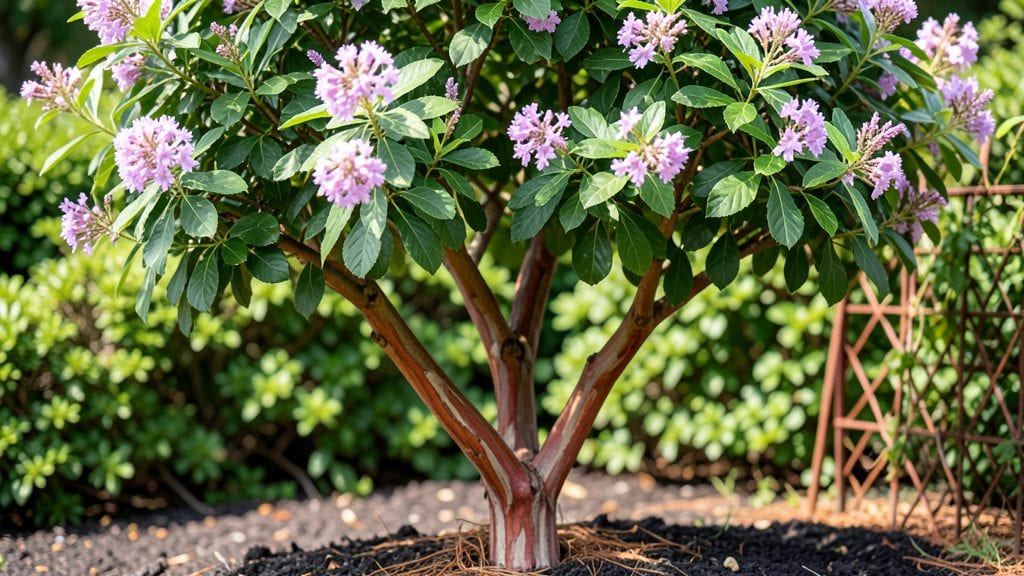
My crape myrtle flowering tree transformed my summer yard from ordinary to showstopping—thanks to a few simple tricks I learned after years of struggling with short-lived blooms. 🌸 The key isn't just planting one; it's understanding how to coax those vibrant clusters into lasting well past Labor Day.
I'll share the exact approach that keeps my trees flowering until frost, with minimal effort after the initial setup.
Crape myrtles thrive in full sun where they get at least 6 hours of direct light daily, and they're surprisingly low-maintenance once established. The soil should drain well—amend heavy clay with compost—and they handle drought better than most flowering trees once their roots take hold.
Watering deeply once a week during dry spells keeps the blooms coming without fuss. My trees in Zones 7-9 now put on a show from mid-summer straight through fall, with some varieties even reblooming if you deadhead spent flowers.
What makes this tree special is how it rewards proper care with weeks of extra blooms—imagine clusters of pink, purple, or white flowers when other plants have given up for the season. The bark develops striking textures as the tree matures, adding winter interest too.
With the right pruning timing (after blooms fade), you'll extend that color show year after year while keeping the tree healthy and compact. The secret isn't complicated, but it does require a little patience to see the full payoff.
Whether you're working with a brand-new sapling or an established tree that's underperforming, these techniques adapt easily. The biggest mistake I see is pruning at the wrong time—cutting back too early can sacrifice next year's blooms.
I'll walk you through the exact steps that keep my trees looking their best with minimal work, so you can enjoy that late-season color without the guesswork.
📚 In This Guide
- What you need
- Instructions
- Tips and common mistakes
- Wrapping up and next steps
What you need
- ● Pruning shears: Bypass shears (for clean cuts) or anvil shears (for thicker branches). Size: 6–8 inches for precision.
- ● Loppers: For branches up to 2 inches in diameter. Quantity: 1 pair.
- ● Pruning saw: Curved-tooth saw for branches thicker than 2 inches. Type: Folding or bow saw.
- ● Disinfectant: 70% isopropyl alcohol or a commercial pruning sealant to prevent disease spread.
- ● Garden gloves: Heavy-duty, cut-resistant gloves (e.g., Mechanix or leather). Quantity: 1 pair.
- ● Rag or paper towels: For wiping tools between cuts.
- ○ Marking twine or flags: To tag branches for future reference (optional but helpful).
- ● Safety glasses: Protect your eyes from debris.
- ● Extension pole: For reaching high branches safely.
- ● Pruning sealant: To coat larger cuts and reduce sap oozing.
- ● Notebook & pen: To sketch the tree’s structure before pruning.
- ● Step stool: Sturdy, non-slip stool for stability.
Step-by-Step instructions for extending crape myrtle blooms
Here's how to coax your crape myrtle into a second flush of vibrant blooms—no fancy tricks, just smart care.
🌿 Step 1: Prune Strategically After First Bloom
Wait until late fall or early winter (after the first hard frost) to prune, not spring. This timing ensures you don’t accidentally remove next year’s flower buds, which form on new growth. Use clean, sharp pruners to make cuts just above a leaf node or outward-facing bud—never leave stubs. Remove dead, diseased, or crossing branches first, then thin the canopy to improve airflow.
Here's the thing—crape myrtles bloom on current season’s growth, so heavy pruning too early will sacrifice flowers. I like to shape them like a vase, wider at the top than the bottom, but never cut more than one-third of the plant’s height. You’ll see fresh, vigorous shoots emerge in spring, setting the stage for more blooms.
☀️ Step 2: Feed and Water for Extended Blooming
Apply a balanced, slow-release fertilizer (10-10-10) in early spring when new growth appears, then again in mid-summer to support late-season blooms. Water deeply once a week during dry spells, ensuring the soil is moist 12 inches down. Crape myrtles hate soggy roots, so always let the top 2 inches of soil dry out between waterings.
Real talk: Overwatering stresses the tree and reduces blooms. You’ll know you’re doing it right when the bark stays smooth and gray (never cracked or peeling). Mulch with 2-3 inches of organic mulch (like shredded bark) around the base, keeping it 6 inches away from the trunk to prevent rot.
✂️ Step 3: Deadhead and Thin Blooms for Second Flush
Once the first flush of flowers fades, deadhead spent blooms by cutting back to the nearest leaf node. This redirects the tree’s energy into producing new flower buds instead of seed pods. Don’t trim too aggressively—just remove the faded clusters. I also thin out overcrowded branches to let light reach the center of the tree, which encourages more blooms.
Watch for new flower buds forming along the branches in late summer. These look like small, green, pea-sized swellings. If you see them, your tree is ready for a second round of color. Just keep watering and fertilizing lightly—no heavy feeding now, or you’ll get leafy growth instead of flowers.
🪴 Step 4: Protect and Monitor for Late-Season Care
As fall approaches, reduce watering gradually to harden off the tree for winter. Crape myrtles are tough, but a sudden freeze can damage tender new growth. If your area gets below 10°F, wrap young trees in burlap or use a tree blanket to shield them from cold winds. Mature trees usually handle winter fine, but a little protection never hurts.
Keep an eye out for aphids or scale insects—they love crape myrtles and can weaken the tree. Spray with neem oil if you spot sticky residue (honeydew) on leaves. A healthy tree with good airflow and proper pruning will reward you with weeks of extra blooms well into autumn.
Tips & tricks for perfect crape myrtle bloom extension
A few simple strategies can transform your crape myrtle from a one-season wonder to a late-season blooming star.
Pruning Precision: When you're ready to prune in late fall or early winter (Step 1), take your time identifying those outward-facing buds—they're the key to next year's blooms. I always mark the branches I want to keep with a piece of twine before making any cuts. This helps me visualize the final shape while ensuring I don't accidentally remove potential flower sites. Remember, you're shaping for both airflow AND future blooms—never cut more than one-third of the plant's height at once.
Fertilizer Timing: The mid-summer feeding (Step 2) is your secret weapon for late-season color. I like to apply a slow-release fertilizer in early July to give the tree a steady nutrient supply without encouraging late-season leaf growth. Think of it like giving your tree a slow caffeine drip—just enough to keep it energized for that second bloom without overstimulating it. And here's a pro move: mix a handful of compost into the soil around the base before applying fertilizer. The microbes will help the tree absorb those nutrients more efficiently.
Deadheading Technique: When deadheading in Step 3, don't just grab and snip—look for those small green buds forming along the branches. These are your future flowers! Cut just above the nearest leaf node, but leave those pea-sized buds untouched. I use clean pruning shears for each cut to prevent spreading any potential diseases. The goal is to encourage the tree to redirect its energy into producing more of these buds rather than seed pods.
Winter Protection: That 10°F threshold (Step 4) is critical for young trees. I've seen mature crape myrtles handle winter just fine, but young specimens need that extra protection. For extra insurance, I wrap the trunk with tree wrap before adding the burlap—this prevents sunscald damage that can occur when winter sun hits frozen bark. And here's something nobody tells you: if you're in a particularly cold climate, consider adding a layer of straw mulch around the base after wrapping. It acts like a cozy blanket for the roots.
Pro Tips for Crape Myrtle Flowering Tree
- A few simple strategies can transform your crape myrtle from a one-season wonder to a late-season blooming star.
- Pruning Precision: When you're ready to prune in late fall or early winter (Step 1), take your time identifying those outward-facing buds—they're the key to next year's blooms.
- Fertilizer Timing: The mid-summer feeding (Step 2) is your secret weapon for late-season color.
Frequently asked questions
Got questions about keeping your crape myrtle blooming until frost? Here are answers to the most common ones—so you can enjoy those stunning flowers all season long!
Why does my crape myrtle stop blooming early?
Over-pruning (especially in late winter or early spring) can remove next year’s flower buds. Also, excessive nitrogen fertilizer encourages leafy growth over blooms. Solution: Prune after blooming ends and use a balanced, low-nitrogen fertilizer (like 10-10-10) to support flowers.
When is the best time to prune for late-season blooms?
Prune after the first frost (late fall to early winter) to avoid cutting off next year’s buds. If you must prune now, wait until late winter or early spring—just don’t delay past bud swell (usually February–March in most climates). Pro tip: Use clean, sharp shears to prevent disease!
Can I prune crape myrtles in summer to extend blooms?
No—summer pruning stresses the tree and removes current season’s flowers. Instead, focus on light shaping in early fall (after blooms fade) to encourage new growth. Deadheading spent blooms helps too, but avoid heavy cuts.
What’s a good alternative if my crape myrtle won’t bloom?
Try Lagerstroemia ‘Natchez’ (white blooms) or ‘Tonto’ (red/purple), both cold-hardy and late-blooming. For smaller spaces, consider dwarf crape myrtles like ‘Arapaho’ or hibiscus varieties (e.g., ‘Dwarf Blue’).
Why are my crape myrtle leaves yellowing or dropping?
Yellowing leaves often signal overwatering (crape myrtles hate soggy roots) or nutrient deficiency (try a slow-release bloom booster). Dropping leaves could mean aphids or scale insects—spray with neem oil or insecticidal soap if pests are present.
| Quick Fixes | When to Use |
|---|---|
| Deadhead spent blooms | Every 2–3 weeks after flowering starts |
| Apply mulch (2–3 inches) | Spring or fall (avoid touching the trunk) |
| Prune only 1/3 of old wood | Late winter/early spring (after buds swell) |
Wrapping up and next steps
Ready to extend your crape myrtle’s blooming season and enjoy those stunning lavender, pink, or white flowers well into fall? 🌸 The secret lies in smart pruning, timing, and a little extra care—no green thumb required!
By following these late-season pruning tips, you’ll keep your tree healthy, vibrant, and full of color for months to come.
Now that you’re armed with the know-how, grab those pruners and give your crape myrtle the love it deserves. Start small—pick one technique this season and observe the difference.
Before you know it, your yard will be the envy of the neighborhood with a tree that blooms like it’s supposed to! Happy pruning! ✂️🌿