
Flowers
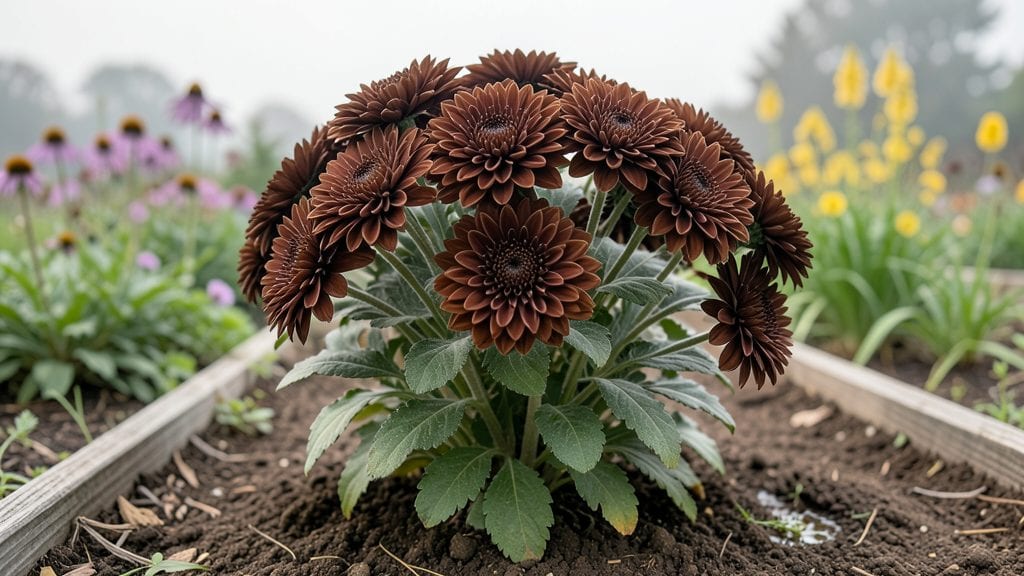
Brown mums aren’t just autumn’s secret weapon—they’re the unsung stars of winter gardens, too. 🌿 I’ve used them to transform bare spots into moody, textured focal points that last long after other flowers fade.
Their deep bronze and chocolate hues add warmth when everything else turns dull, and they pair surprisingly well with evergreens and berries.
The key to keeping them looking fresh? Deadheading spent blooms regularly and giving them a light trim in early spring. That one step turns a floppy mess into a neat, compact plant that blooms again in fall.
I’ve seen them hold their color through first frost, then again in spring—like a plant that refuses to quit.
Style them as dramatic container accents, woven into fall wreaths, or planted in drifts along walkways where their rich tones create a moody, inviting atmosphere. Pair them with purple asters for contrast or golden grasses for a sunlit effect, and watch how they elevate any season.
Whether you’re filling a large border or just adding a single pot to your porch, brown mums bring year-round interest with almost no effort. Here’s how to make the most of them in your design.
Understanding The Root Causes
Brown flowers on your mums (chrysanthemums) can be a frustrating sight, especially when you’ve put in the effort to grow vibrant blooms. But don’t worry—this issue is usually fixable once you pinpoint the cause.
Below, we break down the most common reasons your mums are turning brown, backed by science and practical insights.
Mums thrive in well-drained soil, and excess moisture is a silent killer for their roots. When soil stays soggy for too long, it cuts off oxygen, leading to root rot—a fungal infection that weakens the plant, causing leaves and flowers to turn brown and mushy.
Why it happens:
- Compacted or clay-heavy soil holds too much water, suffocating roots.
- Overzealous watering (especially in containers) without drainage holes traps moisture.
- Poor airflow in dense foliage encourages fungal growth.
Actionable fix:
- Test soil moisture by sticking your finger 1-2 inches deep—water only when dry.
- Amend heavy soil with perlite, sand, or compost to improve drainage.
- Ensure pots have drainage holes and elevate them to prevent water pooling.
While overwatering is a common culprit, drought stress can also cause brown, crispy edges on mum flowers and leaves. Chrysanthemums are drought-tolerant but still need consistent moisture, especially in hot, dry conditions.
Why it happens:
- Insufficient watering during heatwaves forces plants to conserve water, leading to transpiration loss (water evaporating faster than roots can absorb).
- Wind exposure increases evaporation, drying out petals prematurely.
- Shallow root systems in young plants make them more susceptible to dehydration.
Actionable fix:
- Water deeply 1-2 times per week (more in extreme heat) at the soil base, not the leaves.
- Mulch around plants to retain moisture and regulate soil temperature.
- Move potted mums to shadier spots during peak afternoon sun to reduce stress.
Brown, stunted flowers or yellowing leaves often signal a nutrient deficiency, particularly potassium, phosphorus, or magnesium. These elements are critical for flower development, and their absence can cause premature browning.
Why it happens:
- Soil depletion from repeated planting or lack of fertilization.
- Improper pH levels (mums prefer 6.0–7.0 pH) can lock out essential nutrients.
- Overuse of nitrogen-heavy fertilizers (like lawn fertilizers) starves flowers of phosphorus and potassium.
Actionable fix:
- Test your soil with a home kit or send a sample to a local extension office.
- Apply a balanced, slow-release fertilizer (10-10-10 or 5-10-10) at planting and mid-season.
- For magnesium deficiency (brown spots between leaf veins), use Epsom salt (1 tbsp per gallon of water) every 4–6 weeks.
Pests like spider mites, aphids, or thrips can suck the life out of mum flowers, causing them to brown and wilt. Fungal diseases, such as powdery mildew or botrytis blight, thrive in humid conditions and attack weakened plants.
Why it happens:
- Pests feed on sap, dehydrating petals and causing browning.
- Fungal spores spread in damp, shaded areas, infecting flowers and leaves.
- Stressed plants (from poor care) are more vulnerable to infestations.
Actionable fix:
- Inspect plants regularly for webs, holes, or sticky residue (signs of pests).
- Spray with neem oil or insecticidal soap for mild infestations.
- Prune affected flowers immediately to prevent spread, and improve airflow with proper spacing.
- Avoid overhead watering to reduce humidity around blooms.
Even with perfect care, mums naturally senesce (age) as flowers mature, causing petals to brown and fall. Additionally, temperature swings, frost, or sudden drought can shock the plant, accelerating browning.
Why it happens:
- Cold drafts or frost damage delicate petals, causing them to blacken.
- Heatwaves above 90°F (32°C) can scorch flowers, turning them brown.
- Floral senescence is a natural process—older blooms fade first.
Actionable fix:
- Deadhead spent blooms regularly to encourage new growth.
- Protect plants from frost with row covers or move potted mums indoors.
- Provide afternoon shade in extreme heat to prevent scorching.
Pro Tip: 💡 Keep a garden journal to track watering, fertilizing, and weather patterns—this helps you spot patterns and adjust care quickly!
Revive Your Mums Vibrancy Now
Brown flowers on your mums (chrysanthemums) might seem like a lost cause, but with the right care, you can bring back their bold colors and keep them thriving.
Below, we’ve mapped out practical fixes for the most common causes—plus prevention tips to avoid future browning. Let’s get those blooms popping again!
Signs: Yellowing leaves, mushy stems, or flowers turning brown and wilting.
How to Fix It:
- 🔥 Check the Soil: Stick your finger 1–2 inches into the soil. If it’s soggy, your mums are getting too much water.
- 👨🍳 Adjust Watering: Water only when the top inch of soil feels dry. Mums prefer moderate moisture—never let them sit in standing water.
- 🥘 Improve Drainage: If your pots lack drainage holes, repot your mums into containers with holes or add a layer of gravel or perlite to the bottom.
- ⏰ Water Wisely: Early morning is best—watering at night can encourage fungal growth.
💡 Prevention Tip: Use well-draining potting mix (like a blend of peat, perlite, and compost) and avoid saucers that trap excess water.
Signs: Brown, crispy edges on leaves or flowers, especially in hot afternoons.
How to Fix It:
- 🌡️ Provide Shade: Move potted mums to a spot with morning sun and afternoon shade, especially in intense heat (90°F+).
- 🎯 Mulch Matters: Add a 1–2 inch layer of mulch (like shredded bark or straw) around the base to retain moisture and cool roots.
- 💦 Hydrate Deeply: Water at the base of the plant (not overhead) to prevent evaporation and leaf scorch.
- ✨ Boost Humidity: Mist leaves lightly in extreme heat or place pots on a tray of pebbles with water (but ensure pots don’t sit in water).
💡 Prevention Tip: If growing in full sun, choose heat-tolerant mum varieties (like ‘Dazzler’ or ‘Bright Lights’).
Signs: Brown spots with fuzzy growth (powdery mildew), chewed leaves, or sticky residue (aphids).
How to Fix It:
- 🔪 Prune Infected Parts: Snip off brown, spotted, or wilted flowers/leaves with sterilized scissors to prevent spread.
- 🍳 Apply Fungicide: Spray with neem oil or a copper-based fungicide (follow label instructions). For pests, use insecticidal soap or horticultural oil.
- 🌿 Improve Airflow: Space plants 12–18 inches apart to reduce humidity around leaves.
- 🎯 Clean Up Debris: Remove fallen leaves or dead blooms from the pot/ground to eliminate hiding spots for pests.
💡 Prevention Tip: Deadhead regularly (trim spent blooms) to encourage new growth and deter pests.
Signs: Sudden browning after cold snaps or frost, or wilting in sudden heat waves.
How to Fix It:
- 🏡 Protect from Frost: Cover mums with frost cloth or move potted plants to a sheltered spot before temps drop below 28°F.
- 🔥 Gradual Acclimation: If bringing mums indoors for winter, harden them off first—expose them to cooler temps over 3–5 days.
- 🌡️ Avoid Drafts: Keep potted mums away from AC vents, heaters, or cold windows in homes.
- 💦 Hydrate Consistently: Temperature swings stress plants—stick to a regular watering schedule (don’t skip!).
💡 Prevention Tip: Choose cold-hardy mum varieties (like ‘Bonanza’ or ‘Mammoth’) for zones 5–9.
Signs: Pale leaves, slow growth, or flowers browning prematurely (often in spring/fall).
How to Fix It:
- 📊 Test Your Soil: Use a soil test kit to check pH (ideal: 6.0–7.0 for mums) and nutrient levels.
- 💪 Fertilize Right: Feed with a balanced, slow-release fertilizer (10-10-10) in spring and early summer. Avoid high-nitrogen fertilizers—they promote leaves over flowers.
- 🍎 Boost Iron/Magnesium: If leaves are yellow between veins, add chelated iron or Epsom salt (1 tbsp per gallon of water, applied monthly).
- 🌱 Refresh the Soil: If soil is depleted, repot mums into fresh, nutrient-rich potting mix every 2–3 years.
💡 Prevention Tip: Feed lightly but often—mums prefer small, frequent doses of fertilizer over heavy applications.
If your mums are severely browned, mushy, or beyond saving, don’t despair!
Try these last-resort steps: - 🌱 Propagate from Cuttings: Snip healthy stems (4–6 inches), remove lower leaves, and place in water or moist perlite until roots form. - 🔄 Replace the Plant: If the root system is rotted, buy a new mum and learn from past mistakes to keep it thriving!
Final Pro Tip: Keep a gardening journal to track watering, sunlight, and fertilizer schedules. This helps you spot patterns and prevent browning before it starts! 🌟
Frequently asked questions
Why do my brown chrysanthemums look dull in fall arrangements?
Brown mums add rich depth to autumn displays, but they can appear lackluster when paired with overly bright colors. Try combining them with deep purples, burgundies, or golden grasses to create a moody, cohesive palette. Their velvety texture also works beautifully with evergreens like boxwood or pine cones for contrast.
Can I use brown mums in winter container gardens?
Brown mums thrive in winter containers when protected from harsh winds and frost. Pair them with ornamental kale, dusty miller, or holly for a striking seasonal contrast. Use a well-draining mix and place containers in sheltered spots to extend their lifespan through colder months.
How do I keep brown mums blooming longer in pots?
Deadheading spent blooms and fertilizing with a low-nitrogen, high-phosphorus formula (like 5-10-5) encourages reblooming. Water consistently but avoid soggy soil, and place pots where they get 4-6 hours of morning sun to prevent scorching. A light trim after blooming helps maintain shape and promotes new growth.
What’s the best way to dry brown mum flowers for crafts?
Harvest fully open blooms and hang them upside down in small bundles with rubber bands. Place them in a dry, dark spot for 2-3 weeks, then fluff the petals gently to restore their shape. For pressed flowers, lay blooms between parchment paper under heavy books for 1-2 weeks—perfect for wreaths or framed art!