
Pruning
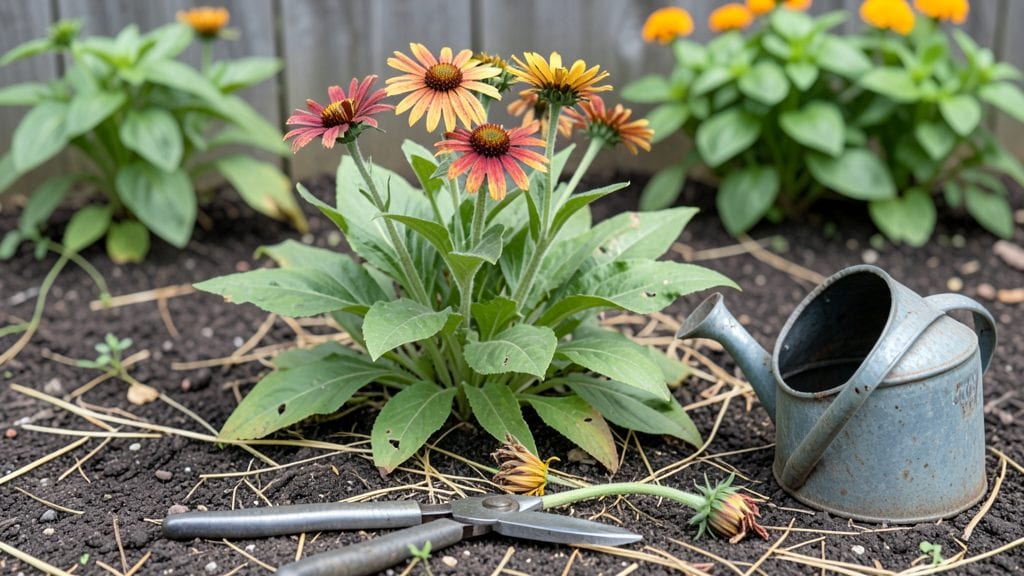
Deadheading blanket flowers keeps those fiery red-and-yellow blooms coming all summer long. ✨ I learned the hard way that skipping this step means fewer flowers by August—now my Gaillardia plants stay packed with color until frost.
The secret isn't complicated: just snip spent blooms at the right spot, and the plant redirects energy into fresh flowers instead of seeds.
You'll need sharp pruners or clean scissors, and about 10 minutes every few days during peak bloom. The key is cutting just above where the flower meets the stem—never too close to the base.
This simple habit extends your season by 4-6 weeks and keeps plants looking fuller. Even if you miss a day, don't stress—they're forgiving.
What you end up with is a nonstop show of daisy-like blooms that attract pollinators all season. The plants grow bushier, healthier, and more productive, while you avoid the sad, leggy look of over-mature flowers. By late summer, you'll be the neighbor with the longest-lasting color in the yard.
Works for both full-sun beds and containers, and the same technique applies to other long-blooming perennials. Here's exactly how to do it without a single wilted stem in sight.
📚 In This Guide
- What you need
- Instructions
- Tips and common mistakes
- Wrapping up and next steps
What you need
- ● Pruning shears or sharp scissors – Clean, sharp blades (avoid dull tools that crush stems).
- ○ Gloves (optional but recommended) – Garden or work gloves to protect hands from prickly stems or thorns.
- ● Bucket or trash bag – For collecting spent blooms and debris.
- ○ Water spray bottle (optional) – To refresh plants post-pruning if they look thirsty.
- ● Mature blanket flower plants – At least 6–12 inches tall (young plants may not have blooms to deadhead).
- ● Sunny day (or early morning) – Avoid pruning in extreme heat to reduce plant stress.
- ● Basic knowledge of deadheading – Focus on spent blooms (wilted petals, brown centers) while leaving healthy growth intact.
Step-by-step instructions for deadheading blanket flowers
Keep those vibrant blooms coming all season with this simple, foolproof method.
🌿 Step 1: Identify the Right Blooms to Trim
Blanket flowers (Gaillardia) produce clusters of daisy-like blooms with bold red and yellow petals. Focus on removing spent flowers—those with wilted petals or brown centers—while leaving healthy buds intact. I always start with the oldest blooms first, working my way toward newer ones. This encourages the plant to redirect energy to fresh growth instead of seed production.
Use your fingers or small pruners to gently pinch off the entire flower head, including the stem below the bloom. You'll see fresh buds forming at the base of the plant within 3-5 days—that's your signal you're doing it right. Never cut into green stems, as this can damage the plant's structure.
✂️ Step 2: Use Clean Tools for Precision Cuts
Sharp, clean pruners make all the difference. Before you start, wipe the blades with rubbing alcohol to prevent spreading disease between plants. I like to carry a small bottle of 70% isopropyl alcohol in my gardening toolkit for quick sanitization between cuts. For smaller blooms, I skip the pruners entirely and just pinch them off with my fingers—it's faster and less stressful for the plant.
Make cuts at a 45-degree angle, about ¼ inch above a leaf node (the point where leaves grow from the stem). This angle helps water run off the cut, reducing rot risk. If you're unsure where the node is, look for a small bump or the base of a leaf—this is where new growth will emerge.
💧 Step 3: Water and Fertilize After Deadheading
After trimming, give your blanket flowers a deep watering to the root zone. The soil should feel moist 2 inches down—stick your finger in to check. This helps the plant recover from the slight stress of pruning and encourages new blooms to form. I water in the early morning to reduce evaporation and fungal risks.
Follow up with a balanced, water-soluble fertilizer (like 10-10-10) diluted to half strength. This gives the plant a quick nutrient boost to support fresh growth. Avoid over-fertilizing—too much nitrogen will produce lush foliage but fewer flowers. I fertilize every 2-3 weeks during the growing season, but skip it if rain has watered the plants heavily in the past week.
☀️ Step 4: Monitor for New Growth and Repeat
Watch for new buds forming at the base of the plant—these will open into fresh blooms within 7-10 days. If you notice leggy stems or sparse foliage, your plant might need more sunlight. Blanket flowers thrive in full sun (6+ hours daily), so move potted plants to a sunnier spot if growth slows. In containers, I rotate pots quarter-turn weekly to keep plants growing evenly.
Repeat the deadheading process every 1-2 weeks throughout the season. You'll see a dramatic difference in bloom quantity and plant health. The key is consistency—don’t wait until flowers are completely brown and seed heads form, as this signals the plant to stop producing blooms for the season.
⏰ Step 5: Prepare for Fall and Next Season
As temperatures drop below 50°F at night, blanket flowers slow their growth. Stop deadheading in late summer to allow seed heads to form—these provide winter interest and attract pollinators. In colder climates, cut back plants to 2 inches tall in fall, leaving the base intact. Mulch with 2-3 inches of shredded leaves to protect roots over winter.
In spring, remove old mulch and trim back any dead growth. New shoots will emerge from the base, and with proper care, your blanket flowers will reward you with vibrant blooms all season long. I always mark my plants with stakes to avoid accidentally trimming them in early spring—it's easy to mistake them for weeds before they leaf out!
Tips & tricks for perfect season-long blanket flower care
These simple strategies will help you keep your blanket flowers blooming beautifully all season long.
Timing is Everything: The 3-5 day window after deadheading is your best indicator of success. Watch for fresh buds forming at the base—this tells you the plant is redirecting energy to new growth. If you don't see buds within 5 days, your cuts might have been too severe or the plant needs more sunlight. I always check my plants every morning after deadheading to catch this early sign.
Tool Selection Matters: For blanket flowers, I recommend using clean fingers for small blooms and small pruners for larger clusters. The 45-degree angle cut is crucial—it prevents water from pooling on the stem, which can cause rot. If you're using pruners, make sure they're sharp to avoid crushing stems. I keep a small pair of pruning shears dedicated just to flowers to prevent cross-contamination.
Seasonal Adjustments: The 50°F nighttime temperature is your cue to slow down deadheading. Once nights consistently drop below this, focus on allowing seed heads to form for winter interest. In warmer climates, you can continue deadheading through fall, but always stop when new growth slows dramatically. I mark my calendar with the first 50°F night to remind myself to shift my approach.
Consistency Wins: The 1-2 week deadheading schedule is key to continuous blooms. I set a reminder on my phone every 10 days to check my plants. This regular maintenance prevents the plant from putting energy into seed production. If you miss a week, don't worry—just resume your regular schedule. The plant will quickly respond to the renewed attention with fresh buds.
Pro Tips for Deadhead Blanket Flowers
- These simple strategies will help you keep your blanket flowers blooming beautifully all season long.
- Timing is Everything: The 3-5 day window after deadheading is your best indicator of success.
- Tool Selection Matters: For blanket flowers, I recommend using clean fingers for small blooms and small pruners for larger clusters.
Frequently asked questions
Why do my blanket flowers stop blooming after a few weeks?
Blanket flowers (Gaillardia) naturally slow down blooming in extreme heat or drought. Deadheading spent blooms (removing faded flowers) encourages new growth. If blooms persistently fade, check soil moisture—underwatering can stress plants. A light fertilizer with phosphorus (middle number on the label) may also help!
When is the best time to deadhead blanket flowers?
Deadhead after blooms fade but before seed heads form—typically every 1–2 weeks during peak bloom (spring to fall). For continuous color, trim lightly in early spring to shape the plant and remove any winter-damaged stems. Avoid heavy pruning mid-season, as it can reduce flowering.
Do I need special tools to deadhead blanket flowers?
Nope! A pair of clean, sharp bypass pruners or even your fingers work great. For large clumps, hand pruners make it easier. Pro tip: Sterilize tools with rubbing alcohol between plants to prevent disease spread. If you’re squeamish about snipping, wear gloves—these plants can be a little prickly!
Can I use deadheaded blanket flowers in bouquets or dried arrangements?
Fresh blooms
make vibrant bouquets (they last 5–7 days in water). For drying, harvest fully open blooms on a sunny day, tie stems in bundles, and hang upside down in a dark, dry place for 1–2 weeks. The papery petals hold their color beautifully—perfect for rustic or wildflower arrangements!
Will deadheading attract more bees or pests to my garden?
Deadheading won’t increase pests, but it does keep your garden tidy and encourages more blooms—meaning more nectar for bees! Blanket flowers are pollinator magnets, so frequent trimming actually supports local ecosystems. Just avoid over-pruning, which can stress plants and make them vulnerable to aphids or spider mites.
What if my blanket flowers look leggy or sparse after deadheading?
Leggy growth often means your plant needs more light or nutrients. Move it to a sunnier spot (6+ hours of direct sun daily) and fertilize lightly with a balanced 10-10-10 formula. If the soil is poor, amend with compost. For woody stems, a hard prune in early spring can rejuvenate growth—cut back by 1/3 to encourage bushier, fuller blooms.
Wrapping up and next steps
Deadheading blanket flowers isn’t just about keeping your garden tidy—it’s your secret weapon for bold, continuous blooms all season long! 🌸 With the right tools, timing, and technique, you’ll transform your garden into a vibrant, low-maintenance paradise.
Whether you’re a pruning pro or a beginner, these tips make the process effortless and rewarding.
Ready to level up your gardening game? Grab your shears and start clipping—your blanket flowers will thank you with nonstop color until frost! For extra flair, experiment with companion plants or container styling to create stunning displays. Happy pruning! 🌿✨