
Shrubs
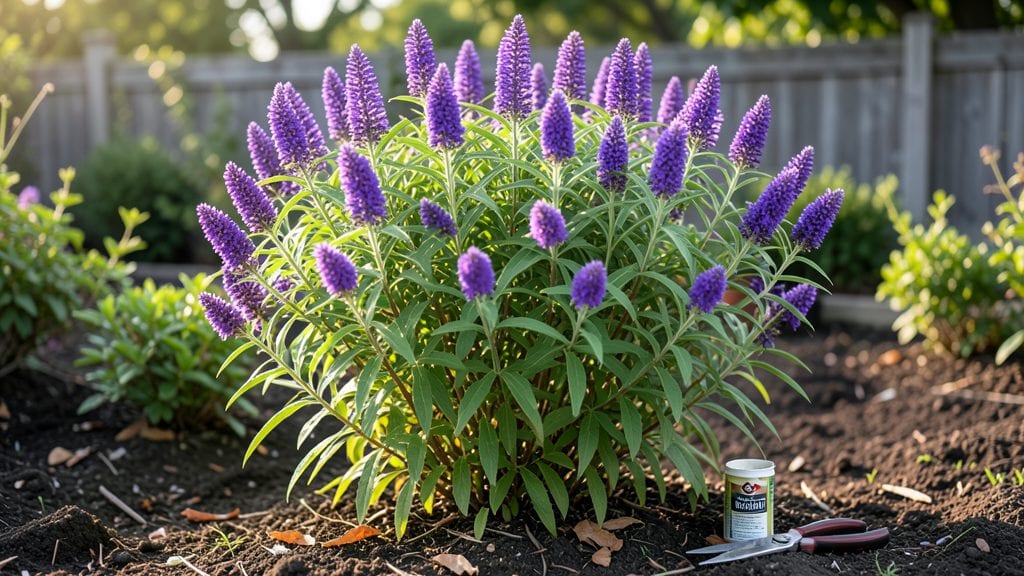
Summer flowering shrubs and bushes transform your yard into a vibrant, never-ending parade of color and life—starting with that first abelia blooming in July. 🌸 These plants aren’t just pretty; they’re the backbone of a thriving garden that works hard while it looks good.
Picking the right shrubs means balancing bloom time, size, and personality. Hydrangeas offer bold color changes, roses bring romance with their fragrance, while buddleia (the "butterfly bush") turns your garden into a pollinator hotel.
Mix textures too—velvety lamb’s ear with spiky hollyhocks creates drama, while compact boxwoods add structure. The secret? Group plants by water needs and sunlight preferences so they all shine together.
You’ll end up with a garden that stays lively from June through September, even when annuals fade. Imagine hydrangeas in soft blues next to fiery red abelia, all while bees and butterflies flit between them.
These shrubs also handle seasonal shifts better than many perennials, giving you low-maintenance beauty year after year.
Whether you’re going for a cottage garden’s wild charm or a modern minimalist look, these shrubs adapt. Start with three standout varieties—one for height, one for mid-level color, and one low-growing border plant—and build from there. The payoff? A garden that feels alive, not just landscaped.
Nature’s Timing Triggers
Summer flowering shrubs and bushes burst into color thanks to a carefully orchestrated mix of biological and environmental cues. Understanding these triggers helps gardeners create the perfect conditions for vibrant blooms—and even extend the season. Here’s why your plants time their floral fireworks so precisely.
Most summer-blooming shrubs are short-day or day-neutral plants, meaning their flowering cycle is triggered—or at least influenced—by daylight length. As days lengthen in spring, plants like Hydrangeas and Butterfly Bushes enter a phase where they begin producing flower buds.
However, the real show starts when the critical day length (often around 14–16 hours of light) is reached.
For example:
- Day-neutral shrubs (e.g., Abelia, Weigela) bloom continuously because they ignore daylight changes and focus instead on temperature and growth cues.
- Short-day plants (e.g., Crape Myrtle, Oakleaf Hydrangea) need a specific ratio of light to darkness to trigger flowering. If days stay too long (like in northern climates), blooms may be delayed.
Actionable tip: If your shrubs are late to bloom, check your location’s daylight hours. In some cases, supplemental lighting or strategic pruning can nudge them into action.
Heat isn’t just a byproduct of summer—it’s a critical signal for many flowering shrubs. Most need a period of warmth (60–85°F) to break dormancy and stimulate bud formation. However, too much extreme heat (above 90°F) can stress plants, causing buds to drop or flowers to wilt prematurely.
| Shrub Type | Ideal Temperature Range for Blooming | What Happens If It’s Too Hot/Cold |
|---|---|---|
| Rose of Sharon (Hibiscus syriacus) | 70–85°F (warmer nights trigger blooms) | Cold snaps delay buds; heatwaves cause bud drop. |
| Spirea (Spiraea japonica) | 55–75°F (cooler mornings extend blooms) | Frost kills new growth; extreme heat shortens bloom time. |
| Lavender (Lavandula) | 65–80°F (drought + heat = best fragrance) | Overwatering in heat = fungal issues; cold snaps stunt growth. |
Pro tip: 🌡️ Mulch heavily to regulate soil temps—this prevents root stress and keeps nutrients flowing to buds. For heat-sensitive shrubs, provide afternoon shade during peak summer.
Flowering isn’t just about sunlight and heat—it’s also about hydration and nutrition. Shrubs need consistent moisture to transport nutrients to developing buds. During dry spells, plants may pause blooming to conserve energy, redirecting resources to root growth instead.
Key factors:
- Deep watering (1–2 inches per week) ensures roots reach flower buds.
- Balanced fertilizers (high in phosphorus, like 5-10-5) support bloom production.
- Organic matter (compost, aged manure) improves soil microbial activity, which helps break down nutrients faster.
Warning sign: If leaves yellow or flowers are small, your plant may be nutrient-deficient or underwatered. A soil test can reveal imbalances—learn how to test at home.
💡 Hydration hack: Drip irrigation systems deliver water directly to roots, reducing stress and evaporation. For potted shrubs, ensure drainage holes prevent root rot!
Behind the scenes, plant hormones like florigen (produced in leaves) and auxin (a growth regulator) act like a biological clock, signaling when to form buds. Stress—whether from pruning at the wrong time, transplant shock, or pests—can disrupt these hormones, delaying or stunting blooms.
For example:
- Over-pruning removes flower buds before they open (e.g., cutting back Hydrangeas after June kills next year’s blooms).
- Root disturbance (like moving a mature shrub) can reset its hormonal timeline, causing a "recovery bloom" instead of a full season display.
- Pests (e.g., aphids, spider mites) sap plant energy, leaving less for flowers. A heavy infestation can completely halt blooming.
Preventative tip: ✨ Prune strategically—always cut after flowering (except for re-blooming varieties like Knock Out® Roses, which need light pruning in early spring). Use neem oil to protect plants without disrupting hormones.
Not all summer bloomers start at the same time—some are genetically programmed to wait. For instance:
- Oakleaf Hydrangeas often bloom in late summer because their ancestors evolved to release seeds when birds are most active (late August–September).
- Smoke Bush (Cotinus) produces pink puffballs as a secondary display after its initial spring flowers, thanks to a two-phase genetic trigger.
If your shrub is a "late bloomer," don’t panic—it’s following its ancestral script! However, if a shrub never blooms, check for:
- Incorrect pruning (removing flower buds).
- Improper sunlight (some need full sun, others partial shade).
- Age-related decline (older shrubs may need rejuvenation pruning).
Revive Your Blooms Quickly
Summer flowering shrubs and bushes bring vibrant color and life to your garden—but when they struggle, it can be frustrating. Whether your plants are wilting, failing to bloom, or looking lackluster, these practical fixes will help you restore their health and beauty.
Below, we’ve mapped common issues to step-by-step solutions, plus prevention tips to keep your shrubs thriving all season long.
Cause: Overwatering, underwatering, or poor drainage.
How to Solve It: ✅ Check the soil moisture – Stick your finger 1–2 inches into the soil. If it’s soggy, your shrub is overwatered; if dry, it’s thirsty. ✅ Adjust your watering routine – Most summer bloomers need 1–1.5 inches of water per week, either from rain or irrigation. Water deeply but infrequently to encourage strong roots. ✅ Improve drainage – If your shrub sits in a low spot where water pools, amend the soil with compost or perlite or plant it in a raised bed.
💡 Prevention Tip: Mulch around the base (2–3 inches deep) to retain moisture and regulate soil temperature.
Cause: Over-fertilizing (especially with high-nitrogen feed), improper pruning, or stress from heat/drought.
How to Solve It: ✅ Use the right fertilizer – Switch to a balanced, bloom-boosting formula (like 10-10-10 or 5-10-5) in early spring. Avoid heavy nitrogen—it promotes leaves over flowers. ✅ Deadhead spent blooms – Snip off faded flowers with clean pruners to encourage new growth. For shrubs like hydrangeas or roses, trim back to the first healthy leaf. ✅ Prune at the right time – Most summer bloomers flower on new growth, so prune right after blooming (not in late summer or fall).
💡 Prevention Tip: If your shrub is heat-stressed, provide light afternoon shade (especially for tropical varieties like abutilon or bougainvillea).
Cause: Aphids, spider mites, powdery mildew, or fungal infections from humidity.
How to Solve It: ✅ Spot-treat pests –
- Aphids/spider mites: Spray with neem oil or a soapy water mix (1 tsp mild dish soap per quart of water).
- Scale insects: Scrape off with a stiff brush or use horticultural oil in early spring.
✅ Combat fungal diseases –
- Powdery mildew: Apply baking soda spray (1 tsp baking soda + 1 quart water + a drop of soap) every 7–10 days.
- Black spot (on roses): Prune infected leaves and treat with copper fungicide.
✅ Improve airflow – Thin out dense foliage and space shrubs 3–5 feet apart to reduce humidity buildup.
💡 Prevention Tip: Water in the morning (not at night) to let foliage dry quickly, deterring fungal growth.
Cause: Intense summer sun, lack of water, or poor soil structure.
How to Solve It: ✅ Water deeply and slowly – Use drip irrigation or soaker hoses to deliver water directly to the roots (avoid overhead sprinklers, which waste water and encourage disease). ✅ Mulch heavily – A 3-inch layer of mulch (wood chips, straw, or pine needles) locks in moisture and cools roots. ✅ Provide temporary shade – If your shrub is struggling, set up shade cloth (30–50%) for a few weeks until it recovers.
💡 Prevention Tip: Plant drought-tolerant varieties like butterfly bush (Buddleia), abelia, or lavender for low-maintenance summer color.
Cause: Exhausted soil, lack of organic matter, or improper pH.
How to Solve It: ✅ Test your soil – Use a DIY soil test kit (available at garden centers) to check pH and nutrient levels. Most flowering shrubs prefer slightly acidic to neutral soil (6.0–7.0). ✅ Amend the soil –
- For clay soil: Mix in compost or peat moss to improve drainage.
- For sandy soil: Add aged manure or coconut coir to retain moisture.
✅ Feed with organic matter – Work in compost or worm castings in early spring and again after flowering.
💡 Prevention Tip: Top-dress with compost every spring to keep soil rich without disturbing roots.
Cause: Aggressive pruning, cutting into old wood, or improper timing.
How to Solve It: ✅ Prune for shape, not size – Use hand pruners to trim back 1/3 of the oldest stems to encourage new growth. ✅ Follow the "thirds rule" – For most shrubs, remove one-third of the oldest stems at the base to rejuvenate. ✅ Avoid "lion’s tailing" – Don’t leave long, bare stems after pruning. Cut just above a bud or leaf node.
💡 Prevention Tip: Prune gradually—spread out heavy cuts over 2–3 years if your shrub is severely overgrown.
Keep a simple garden journal to track: ✔ Watering schedule ✔ Fertilizer applications ✔ Pruning dates ✔ Pest/disease outbreaks
This helps you spot patterns and adjust care before problems worsen.
With these targeted fixes, your summer flowering shrubs will bounce back stronger—and you’ll enjoy bold blooms and happy pollinators all season! 🐝🌺
Frequently asked questions
Which summer flowering shrubs attract the most pollinators?
Butterfly bushes (Buddleia) and coneflowers are top picks for pollinators, but roses, lavender, and abutilon also draw bees and butterflies. For maximum impact, plant buddleia (butterfly magnet) alongside echinacea (coneflower) to create a pollinator paradise. Just avoid hybrid roses—some lack fragrance and nectar.
Can I grow summer flowering shrubs in containers?
Compact varieties like dwarf hydrangeas, patio roses, or miniature abelia thrive in containers. Use well-draining soil and a pot at least 12 inches deep—larger pots mean fewer waterings. Remember to fertilize monthly during bloom season and overwinter containers in a sheltered spot.
Why did my summer shrub stop blooming halfway through the season?
Common causes include over-pruning (removing flower buds), nutrient deficiency, or heat stress. For example, hydrangeas may bloom less if you prune after June 15th. Try deadheading spent blooms, applying a phosphorus-rich fertilizer, and providing afternoon shade during heatwaves.
How do I create a low-maintenance summer garden with these shrubs?
Choose drought-tolerant varieties like lavender, butterfly bush, or dwarf crape myrtle. Group plants with similar water needs and mulch heavily to reduce maintenance. For effortless color, pair abutilon (flowering maple) with rosemary—both thrive on neglect and repel pests.
Are there any summer shrubs that bloom all season long?
Yes! Abelia, weigela, and re-blooming roses (like Knock Out®) produce flowers continuously if deadheaded regularly. For maximum impact, plant abutilon (which blooms from spring to frost) alongside hydrangeas—the latter’s seasonal color changes complement the former’s nonstop display.