
Shrubs
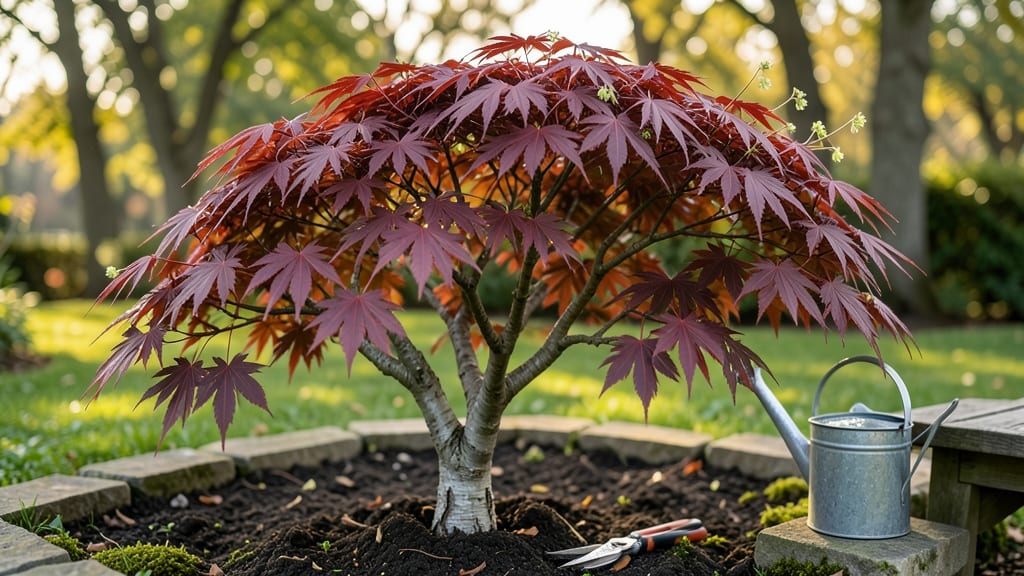
The redvein flowering maple (Abutilon hybridum) brings showstopping foliage that rivals any tropical plant—its deep green leaves striped with bold red veins demand attention. 🌿 I remember the first time I spotted one in a nursery: the way the light caught those veins made it impossible to walk away.
This isn’t just another shrub; it’s a statement piece that thrives in containers or borders, offering year-round interest with its glossy leaves and occasional clusters of bell-shaped flowers.
Growing this plant is surprisingly beginner-friendly once you know its preferences. It craves bright, indirect light—think morning sun with afternoon shade in hotter climates—so a sheltered patio or east-facing window works perfectly.
Well-draining soil prevents those dreaded root rot issues, and since it’s drought-tolerant once established, you won’t be watering daily. The real secret? Pruning after flowering keeps it compact and bushier, while pinching back new growth encourages that lush, variegated display.
By late summer, you’ll have a plant that’s impossible to ignore—velvety leaves with those striking red veins standing out against any backdrop. The occasional yellow or orange flowers add another layer of interest, and the best part?
It handles indoor living surprisingly well, making it a perfect houseplant for those with limited outdoor space. The only trade-off is its sensitivity to cold drafts, so keep it where temperatures stay above 50°F.
Whether you’re filling a sunny corner in your garden or adding a pop of color to your living room, this plant delivers drama with minimal fuss. The key is consistency: good light, occasional water, and a little pruning to keep it shaped.
Once you’ve got one, you’ll be tempted to collect more varieties—there’s just something about those red veins that’s impossible to resist.
📚 In This Guide
- What you need
- Instructions
- Tips and common mistakes
- Wrapping up and next steps
What you need
- ● Redvein flowering maple plant: Choose a healthy 1–3 gallon container-grown sapling (or a larger specimen for instant impact). Look for vibrant red-purple veins and lush foliage!
- ● High-quality potting soil or garden soil: 5–10 cubic feet (for planting) or a 10–20 gallon bag (for containers). Use well-draining, slightly acidic soil (pH 5.0–6.5).
- ● Organic mulch (e.g., wood chips or shredded bark): 2–3 inches to retain moisture and regulate soil temperature.
- ● Slow-release fertilizer: A balanced 10-10-10 or acidic-loving plant fertilizer (e.g., for azaleas/rhododendrons). Follow package instructions for dosage.
- ● Garden trowel or spade: For digging planting holes (1.5x wider than the root ball).
- ● Garden gloves: To protect your hands from thorns and rough soil.
- ● Watering can or hose with adjustable nozzle: For gentle, deep watering (1–2 gallons per watering session initially).
- ○ Pruning shears (sterilized): Optional, for shaping or removing dead branches.
- ● Sunlight: A location with full sun to partial shade (4–6 hours of direct sunlight daily). Avoid harsh afternoon sun in hot climates.
- ● Space: Mature trees reach 15–25 feet tall and wide. Ensure 10+ feet of clearance from structures or other plants.
- ● Drainage: Confirm your planting area has well-draining soil—redvein maples hate soggy roots!
- ● Soil moisture meter to monitor root-zone hydration.
- ● Epsom salt (for magnesium boosts, especially in clay soils).
- ● Decorative stones or edging to define the planting area.
- ● Shade cloth (30–50%) for young plants in intense sunlight.
Step-by-Step guide to planting and caring for redvein flowering maple
This stunning tree thrives with the right conditions—here’s how to plant and nurture it for vibrant foliage.
🌱 Step 1: Select the Perfect Planting Location
Redvein flowering maples need full sun to partial shade—at least 6 hours of direct sunlight daily—to showcase their striking red and green variegated leaves. Choose a spot with well-draining soil and shelter from strong winds, which can damage delicate branches. I always test drainage by digging a 6-inch hole, filling it with water, and waiting to see if it drains within 30 minutes. If water pools, amend the soil with 2-3 inches of compost to improve aeration.
This tree grows 10-15 feet tall and wide, so space it 15-20 feet from structures or other plants to allow for mature size. If planting in a small yard, consider a dwarf cultivar like Acer palmatum ‘Bloodgood’ for better control. The ideal soil pH is slightly acidic to neutral (6.1-7.0)—test your soil with a kit if unsure.
🪴 Step 2: Plant Your Redvein Flowering Maple
Dig a hole twice as wide and just as deep as the root ball of your young tree. Remove the plant from its container and gently loosen the roots if they’re circling. Place the tree in the hole so the top of the root ball sits level with the surrounding soil—burying too deep can suffocate the trunk. Backfill with the native soil, tamping lightly to eliminate air pockets.
Water deeply to settle the soil around the roots, using 1-2 gallons of water for a small sapling. Mulch the base with 2-3 inches of organic mulch, keeping it 6 inches away from the trunk to prevent rot. I always water again after mulching to help it settle. Avoid heavy-handed pruning—just trim any broken or crossing branches to encourage a strong structure.
☀️ Step 3: Maintain Optimal Light and Watering
Young redvein flowering maples need consistent moisture—water once a week during the first growing season, providing 1-2 gallons per watering to encourage deep root growth. Mature trees are drought-tolerant but still appreciate deep watering every 2 weeks during dry spells. You’ll know it’s time to water when the top 2 inches of soil feel dry—stick your finger in to check.
Fertilize in early spring with a balanced, slow-release fertilizer (10-10-10) to support new growth. I skip fall fertilization—this tree stores energy in its roots over winter. If leaves lose their vibrant variegation, it’s often a sign of too much shade or poor drainage, so reassess the planting spot.
✂️ Step 4: Prune for Health and Shape
Prune in late winter or early spring before new growth begins. Remove dead, diseased, or crossing branches first, then thin out crowded areas to improve airflow. I never prune more than 25% of the canopy at once—this prevents stress. For shaping, focus on opening the center to allow sunlight to reach inner branches, which keeps the foliage vibrant.
Watch for aphids or scale insects on new shoots—these pests suck sap and weaken the tree. Spray with neem oil if you spot sticky residue (honeydew) on leaves. Avoid heavy pruning in fall, as it stimulates tender growth that may not harden off before winter.
⏰ Step 5: Prepare for Winter
Redvein flowering maples are hardy to USDA zones 5-8, but young trees benefit from mulch protection in colder climates. Add an extra 2-3 inches of mulch around the base in late fall, pulling it back from the trunk. If you’re in zone 5 or colder, wrap the trunk with tree guard to prevent rodent damage and frost cracks.
Water deeply before the first hard frost to ensure roots have moisture for dormancy. Avoid fertilizing in late fall—this encourages late-season growth that may not survive winter. In spring, remove any winter damage (broken branches) and apply a layer of compost to replenish nutrients.
Tips & tricks for perfect redvein flowering maple care
A few strategic moves make all the difference when nurturing these stunning trees to their full potential.
Location is Everything: That 6-hour daily sunlight requirement isn't just a guideline—it's non-negotiable for maintaining those vibrant red and green variegated leaves. I've seen maples planted in partial shade lose their striking coloration within a single season. If your yard only gets 4-5 hours of sun, consider planting near a south-facing wall or choosing a smaller cultivar like 'Bloodgood' that tolerates slightly less light.
Drainage Test That Saves Trees: The 30-minute drainage test in Step 1 is where most planting failures begin. I've watched too many redvein maples struggle because someone assumed their soil drained well. If water pools after 30 minutes, don't just add compost—dig deeper and incorporate sand or gravel to create proper drainage layers. The roots need oxygen as much as water.
Watering Wisdom: Those 1-2 gallons per watering during the first year aren't just arbitrary numbers—they encourage deep root development. I recommend using a moisture meter to verify when the top 2 inches are dry before watering again. Overwatering in the first year is just as damaging as underwatering, as it can lead to root rot in these delicate trees.
Pruning Precision: That 25% canopy rule during pruning might seem restrictive, but it's crucial for maintaining the tree's health and vibrant foliage. When shaping, focus on creating an open center that lets sunlight penetrate to the inner branches. I always prune in late winter when the tree is dormant—this timing prevents stress and allows for faster healing of wounds.
Pro Tips for Redvein Flowering Maple
- A few strategic moves make all the difference when nurturing these stunning trees to their full potential.
- Location is Everything: That 6-hour daily sunlight requirement isn't just a guideline—it's non-negotiable for maintai...
- Drainage Test That Saves Trees: The 30-minute drainage test in Step 1 is where most planting failures begin. I've wat...
Frequently asked questions
Got questions about growing and caring for your redvein flowering maple? You’re not alone!
Here are some of the most common queries—plus quick, practical answers to keep your plant thriving.
How fast does a redvein flowering maple grow?
A redvein flowering maple grows at a moderate rate, typically adding 12–24 inches per year under ideal conditions. Young trees gain height faster, while mature specimens focus more on foliage density. Patience pays off—its striking variegation becomes even more dramatic over time!
Can redvein flowering maples survive winter?
Yes! These maples are hardy in USDA Zones 5–9, meaning they tolerate cold winters (down to -20°F/-29°C). For extra protection in colder zones, mulch the base with 3–4 inches of organic material (like shredded bark) and water deeply before the first frost. Young plants benefit from burlap wraps in harsh climates.
Why are the leaves turning brown or yellow?
Brown or yellow leaves usually signal stress. Check these common culprits:
- Overwatering (soggy roots = root rot) or underwatering (dry, crispy edges). Aim for 1–1.5 inches of water weekly.
- Sunburn (if suddenly exposed to harsh afternoon sun). Gradually acclimate to full sun.
- Nutrient deficiency (pale yellow leaves = nitrogen lack). Fertilize in early spring with a balanced formula.
Are there dwarf varieties of redvein flowering maple?
Yes! If space is limited, look for ‘Dragon’s Flame’ or ‘Fireworks’ cultivars, which max out at 6–10 feet tall. These still deliver the stunning red veins and burgundy foliage but fit smaller gardens or containers (with well-draining soil). Perfect for accent plants or urban landscapes!
How do I prune a redvein flowering maple for shape?
Prune in late winter or early spring (before buds swell) to:
- Remove dead, crossing, or crowded branches at the branch collar.
- Thin out 10–20% of growth to improve airflow and light penetration.
- Avoid heavy pruning—these maples bloom on old wood, so don’t trim back more than 1/3 of the canopy at once.
Wrapping up and next steps
The redvein flowering maple is a showstopper in any garden, offering vibrant foliage and stunning blooms that brighten spaces year-round. Whether you're drawn to its bold variegation or its low-maintenance charm, this shrub is a fantastic choice for adding color and texture to your landscape.
Ready to transform your outdoor space? Start by selecting the perfect spot—one with well-drained soil and partial shade—and watch your redvein flowering maple thrive! 🌿✨