
Tools
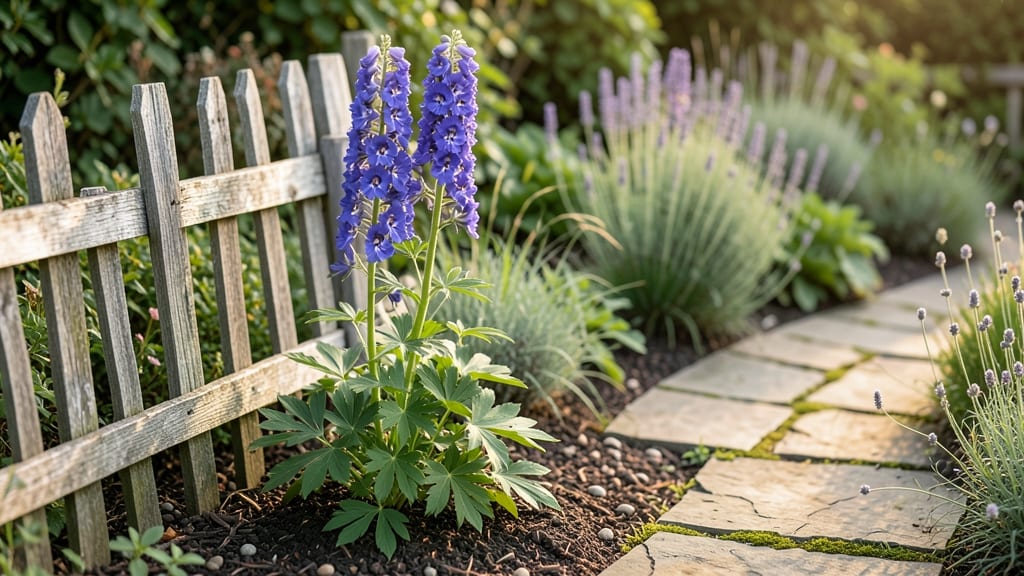
My cottage garden flower bed design begins with the messy charm of roses tumbling over lavender and foxgloves—layers that look effortless but take real intention to pull off. 🌸 The key isn't perfection; it's the way plants spill over edges, creating that "just stepped out of a storybook" feel where every corner feels alive.
I learned this the hard way after my first attempt looked too neat, like a catalog photo instead of a garden meant to be loved.
Start with a 3-foot-wide bed and mix tall plants like delphiniums at the back with mid-height roses and low-growing thyme at the front. Add a rustic trellis or two for climbing roses or clematis—they'll weave through everything like nature's own lace.
The best part? This style thrives on low-maintenance plants that self-seed and return year after year, so you spend less time fussing and more time enjoying.
By summer, your bed will burst with pink roses, purple lavender, and white foxgloves all fighting for space in the most delightful way. The scent alone—sweet, herbal, and slightly wild—will have neighbors stopping to ask how you do it.
And the beauty? It keeps blooming from May through October, with something always in flower if you choose the right mix.
Works in any yard size, from a small front yard to a sprawling backyard corner. The secret is letting plants do their thing while you add just enough structure—like a simple stone pathway or a wooden arbor—to guide the eye. Ready to make your garden feel like home?
📚 In This Guide
- What you need
- Instructions
- Tips and common mistakes
- Wrapping up and next steps
What you need
- ● Soil: 3–5 cubic yards of high-quality garden soil (or a mix of 60% topsoil, 30% compost, and 10% perlite/sand for drainage).
- ● Mulch: 2–3 bags of organic mulch (e.g., shredded bark or straw) to retain moisture and suppress weeds.
- ● Plants: 10–15 perennial plants (e.g., peonies, lavender, or coneflowers for structure).
- ● 20–30 annuals (e.g., pansies, sweet alyssum, or marigolds for color bursts).
- ● 5–10 climbing plants (e.g., clematis or roses for vertical interest).
- ● Fertilizer: 1–2 bags of slow-release organic fertilizer (e.g., 10-10-10 or compost tea).
- ● Digging: Round-point shovel, garden fork, and trowel.
- ● Measuring: 10-foot tape measure and stakes for layout.
- ● Planting: Pruners, gloves, and a watering can or hose with a gentle spray nozzle.
- ○ Edging (optional):strong> Metal or plastic edging (e.g., 6-inch galvanized steel) to define borders.
- ● Decorative stones or pebbles for pathways or accents.
- ● Birdhouses or feeders to invite pollinators.
- ● Arbors or trellises for climbing flowers.
Step-by-Step instructions for designing a whimsical cottage garden flower bed
Here's how to create a layered, ever-blooming garden that feels like stepping into a storybook.
🌱 Step 1: Choose a Sunny or Partially Shaded Spot
Most cottage garden favorites thrive in full sun to partial shade. Scan your yard for a location with at least 4-6 hours of sunlight daily—a south-facing bed gets the most bloom power. If your space is shadier, focus on woodland perennials like hostas or ferns that love dappled light.
Mark the bed area with stakes or spray paint. I like to sketch a rough outline first, then adjust for natural features like tree roots or existing plants. Keep the shape organic—think winding curves or gentle rectangles instead of sharp lines. Real talk: cottage gardens should feel lived-in, not perfectly manicured.
🌿 Step 2: Layer Plants by Height and Bloom Time
Start with tall plants at the back (4-6 feet), then mid-height (2-3 feet), and finally low ground covers or fillers (under 1 foot). I plant delphiniums or hollyhocks at the back, followed by peonies or lavender in the middle, and thyme or ajuga in front. This creates depth and keeps everything visible.
Mix early bloomers (like crocus or hellebores), mid-season stars (peonies, roses), and late-season showstoppers (black-eyed Susans, asters). Aim for continuous color from spring to frost. Pro tip: group plants in odd-numbered clusters—3 or 5 together looks intentional, while even numbers can seem stiff.
🪴 Step 3: Amend Soil and Plant with Intention
Loosen the top 6-8 inches of soil with a garden fork, then mix in 2-3 inches of compost to feed roots without overwhelming plants. Cottage gardens love rich but well-draining soil—amend heavy clay with sand or peat moss if needed. I always test drainage first by digging a hole, filling it with water, and watching how fast it drains.
Dig holes twice as wide as the root ball and just as deep. Place each plant gently, then backfill with soil, tamping lightly to remove air pockets. Water deeply right after planting to settle roots. Space perennials 18-24 inches apart for mature growth, and annuals 10-12 inches apart—crowding leads to weak stems and disease.
✂️ Step 4: Add Mulch and Whimsical Accents
Spread 2-3 inches of mulch (like shredded bark or straw) over the bed to suppress weeds and retain moisture. Leave a 2-inch gap around stems to prevent rot. I like to add a few unexpected touches—maybe a vintage teacup as a planter for trailing lobelia or a stone path meandering through the bed.
Plant a few climbers (like clematis or roses) near trellises or fences to add vertical interest. Scatter seed packets of self-sowing annuals (like poppies or sweet peas) for spontaneous pops of color next year. The key is to let the garden feel a little wild—cottage gardens are all about charm over perfection.
☀️ Step 5: Water, Feed, and Enjoy the Process
Water deeply once a week (more in extreme heat), aiming for 1-1.5 inches of water per week. Early morning is best to reduce evaporation and fungal risks. I use a soaker hose to deliver water at the base without wetting leaves—this keeps plants healthier and cuts down on weeds.
Fertilize lightly in spring with a balanced 10-10-10 formula, then again in midsummer. Deadhead spent blooms regularly to encourage more flowers and keep the garden looking tidy. Step back and admire your work—this bed will only get more beautiful as plants mature and fill in.
Tips & tricks for perfect cottage garden flower bed design
Creating a cottage garden that blooms beautifully all season takes a few thoughtful tricks—here's how to make it effortlessly charming.
Sunlight Strategy: The 4-6 hours of sunlight mentioned in Step 1 is crucial for most cottage garden plants, but don't stress if your space gets slightly less. Many perennials like catmint and Russian sage actually prefer 3-4 hours of sun and will still thrive beautifully. For shadier spots, focus on hostas, astilbes, and ferns—they'll reward you with lush foliage even in dappled light.
Planting Depth: When you're digging those holes twice as wide as the root ball in Step 3, remember to loosen the sides too. This encourages roots to spread outward rather than circling the root ball, which can strangle plants. Gently tease the roots apart if they're tightly bound—this gives your plants a stronger start. I also like to add a handful of mycorrhizal fungi to the planting hole to help roots establish more quickly.
Mulching Magic: That 2-3 inches of mulch in Step 4 does more than just suppress weeds—it regulates soil temperature and retains moisture. For extra weed control, consider using a landscape fabric under the mulch, especially in high-traffic areas. Just remember to leave those 2-inch gaps around stems to prevent rot. I've found that straw mulch breaks down more slowly than wood chips, making it perfect for cottage gardens where you want that natural, slightly wild look.
Watering Wisdom: The once-a-week watering in Step 5 works beautifully, but I've found that watering in the early morning gives plants the best chance to dry out during the day, reducing fungal diseases. If you're using a soaker hose, run it for about 30 minutes to ensure you're getting that 1-1.5 inches of water per week. For container plants in your cottage garden, I like to check soil moisture with my finger—if the top inch feels dry, it's time to water.
Pro Tips for Cottage Garden Flower Bed Design
- Creating a cottage garden that blooms beautifully all season takes a few thoughtful tricks—here's how to make it effortlessly charming.
- Sunlight Strategy: The 4-6 hours of sunlight mentioned in Step 1 is crucial for most cottage garden plants, but don't stress if your space gets slightly less.
- Planting Depth: When you're digging those holes twice as wide as the root ball in Step 3, remember to loosen the sides too.
Frequently asked questions
Got questions about bringing your cottage garden dreams to life? Here are answers to the most common ones—so you can design with confidence!
What’s the best soil mix for a cottage garden flower bed?
A loose, well-draining soil rich in organic matter (like compost or aged manure) is ideal. Mix equal parts garden soil, compost, and perlite or coarse sand for airflow. Cottage gardens thrive in slightly acidic to neutral soil (pH 6.0–7.0). Pro tip: Test your soil first—many nurseries offer kits!
When is the best time to plant a cottage garden flower bed?
For perennial blooms, plant in early spring (after the last frost) or fall (6–8 weeks before winter). Annuals can go in after soil warms (late spring). Key timing: Divide perennials in spring or fall, and mulch after planting to protect roots.
Can I use containers or raised beds for a cottage garden?
Raised beds or large containers (12"+ deep) work great for cottage-style gardens, especially in small spaces. Just ensure they have drainage holes and use lightweight potting mix. Top pick: Terra-cotta pots or wooden half-barrels add rustic charm.
How do I keep pests away without chemicals?
Encourage natural predators like ladybugs and lacewings, and plant pest-repellent flowers (e.g., marigolds, lavender). Handpick slugs at night, or use beer traps (bury a shallow dish filled with beer). Bonus: Healthy soil = stronger plants that resist pests!
What if my garden looks messy or overgrown?
Cottage gardens are meant to look natural! Trim back dead foliage in early spring, but leave seed heads for winter interest. Quick fix: Add more climbing plants (like clematis) or a trellis to create structure without sacrificing charm.
What are budget-friendly cottage garden alternatives?
Start with inexpensive perennials (e.g., daylilies, black-eyed Susans) and save seeds from annuals (like cosmos or zinnias). Thrift stores often have vintage pots, and free plant swaps at local gardens can expand your palette for pennies!
Wrapping up and next steps
Creating a cottage garden flower bed design is all about embracing nature’s charm—layered blooms, rustic textures, and timeless beauty that thrives season after season. With the right mix of perennials, annuals, and a dash of whimsy, your garden will become a living tapestry of color and fragrance. 🌸
Now that you’re inspired, it’s time to roll up your sleeves! Start small with a single bed or dive into a full garden makeover—either way, every bloom counts. Grab your tools, sketch your layout, and let your creativity grow. Happy gardening! 🌿