Blooming
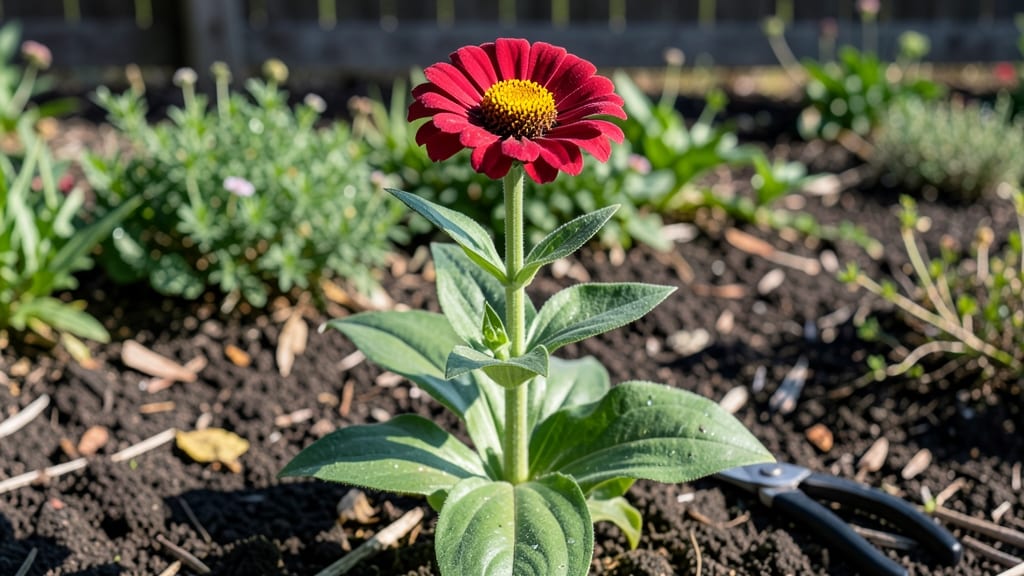
Single-flowered zinnias are the unsung heroes of summer gardens—vibrant, heat-tolerant, and impossible to resist. 🌻 I’ve grown them for years, and they never fail to deliver bold blooms from June straight through October, even when double-flowered varieties wilt in the heat.
The secret lies in their simple needs: full sun, well-draining soil, and consistent watering without soggy roots. Unlike fussy double-flowered varieties, single zinnias stay sturdy, bloom continuously, and attract pollinators like crazy. Plus, their open centers make them perfect for cutting—long stems with minimal watering needs.
You’ll end up with stems that last 5-7 days in a vase, far outlasting most cut flowers. The colors—deep reds, sunny yellows, fiery oranges—brighten any bouquet or garden bed. And because they’re disease-resistant, you’ll spend less time fussing and more time enjoying their effortless beauty.
Works for beginners and seasoned gardeners alike—just plant seeds after frost, deadhead spent blooms, and watch them thrive. Here’s how to make the most of them this season.
📚 In This Guide
- What you need
- Instructions
- Tips and common mistakes
- Wrapping up and next steps
What you need
- ● Seeds: 50–100 single flowered zinnia seeds (e.g., 'Benary’s Giant,' 'Crystal,' or 'Profusion').
- ● Growing containers or garden beds: 6-inch pots (for seedlings) or well-draining soil in full sun (6+ hours/day).
- ● Potting mix: 10–15 lbs of seed-starting mix (sterile, lightweight).
- ● Fertilizer: Balanced 10-10-10 or 5-10-5 granular fertilizer (1 tbsp per plant at planting).
- ● Watering can or hose with gentle spray: For even moisture without disturbing seeds.
- ○ Gloves: Protect your hands from thorns (optional but helpful!).
- ● Plant labels: Small stakes or markers to track varieties.
- ● Mulch: Straw or shredded leaves (1–2 inches) to retain moisture.
- ● Pruning shears: For deadheading spent blooms (encourages more flowers!).
- ● Shade cloth (30–50%): For seedlings if temps exceed 90°F.
Step-by-step instructions for growing single-flowered zinnias
Here's how to coax those bold, long-stemmed blooms that keep cutting fresh until frost.
🌱 Step 1: Choose the Right Time and Location
Single-flowered zinnias thrive in warm soil, so wait until after your last frost date when soil temperatures reach 60°F. I plant mine in late spring or early summer—any earlier and the cool soil slows germination. Select a spot with full sun exposure (6-8 hours daily) and well-draining soil, as zinnias despise soggy roots.
Amend heavy or clay soil with 1-2 inches of compost before planting to improve drainage and fertility. The reason I stress this is that zinnias are drought-tolerant once established, but they won’t forgive waterlogged conditions. If your soil drains poorly, raise beds or plant in containers with drainage holes.
🌱 Step 2: Direct-Sow Seeds for Stronger Plants
Zinnia seeds germinate best in warm soil, so I skip the indoor-starting hassle and sow directly outdoors. Plant seeds ¼ inch deep and 12-18 inches apart for single stems, or closer (6-8 inches) if you want a bushier look. Thin seedlings to your desired spacing once they develop 2-3 true leaves—this prevents overcrowding and strengthens stems.
Here's the thing—zinnias are sensitive to transplant shock, so avoid buying seedlings. If you must, choose small, sturdy transplants with compact roots and harden them off for 3-5 days before planting. Water the soil thoroughly before sowing, then keep it consistently moist until germination, which typically takes 7-14 days.
☀️ Step 3: Water and Fertilize for Long-Stemmed Blooms
Once zinnias are established, water deeply 1-2 times per week, aiming for 1 inch of water per week. I water at the base in the morning to reduce fungal risks and encourage deep root growth. Overhead watering can lead to powdery mildew, so avoid wetting the foliage.
Feed plants with a balanced, water-soluble fertilizer (10-10-10) every 3-4 weeks to promote vigorous growth. Stop fertilizing 6-8 weeks before fall to encourage blooming instead of leafy growth. Deadhead spent flowers regularly—this redirects energy to new blooms and extends the season.
✂️ Step 4: Prune and Harvest for Extended Cutting
To maximize cutting life, harvest stems when 20-30% of the buds have opened. Cut just above a leaf node with clean, sharp shears to encourage branching. I like to harvest in the early morning when stems are fully hydrated—this ensures they last 10-14 days in a vase.
Prune leggy stems back to 6-8 inches tall to encourage bushier growth and more blooms. Avoid heavy pruning late in the season, as zinnias need time to rebound before frost. If you notice stems growing weak or flopping, stake them early—zinnias are top-heavy and benefit from support.
🌿 Step 5: Protect and Extend the Season
Zinnias are heat-tolerant but can succumb to powdery mildew in humid conditions. Improve airflow by spacing plants properly and avoid overhead watering. If mildew appears, treat with a neem oil spray or fungicide as a last resort.
To extend blooms into fall, remove faded flowers and protect plants from early frosts with row covers or cloches. Some varieties, like 'Benary’s Giant' or 'Profusion,' are particularly cold-hardy and may rebloom if protected. Once frost hits, cut back stems to 2-3 inches tall and compost the debris—zinnias rarely self-seed reliably, so save seeds from your best plants for next year.
Tips & tricks for growing stunning single-flowered zinnias
These battle-tested strategies will help you grow zinnias that rival professional cut-flower farms—bold, long-stemmed, and heat-resistant.
Soil Temperature Secret: The 60°F soil temperature threshold is non-negotiable for germination. Use a soil thermometer to verify—cool soil delays sprouting by weeks. I've seen zinnias take twice as long to emerge when planted in 55°F soil. For a head start, warm your soil with black plastic mulch a few days before planting. This creates the ideal conditions for quick, uniform germination.
Direct-Sowing Technique: Planting seeds ¼ inch deep might seem shallow, but this prevents them from rotting in heavy soil. I press seeds gently into the soil rather than burying them, then cover lightly with vermiculite to maintain moisture without suffocating the seeds. For extra insurance, I sprinkle a light layer of compost over the seeds—this adds nutrients while keeping them moist.
Watering Wisdom: The 1-2 times per week watering guideline assumes average summer conditions. In extreme heat (90°F+), increase to daily watering in the morning while keeping soil consistently moist but not soggy. I always check soil moisture by sticking my finger 1-2 inches deep—if it's dry, water thoroughly. This deep watering encourages strong root development, which translates to sturdier stems perfect for cutting.
Deadheading Strategy: When you deadhead those spent blooms, don't just snip at the flower—cut back to just above the next set of leaves where new buds are forming. This redirecting of energy is what gives zinnias their continuous blooming habit. I deadhead every 2-3 days during peak bloom to maintain that showstopping display. For the longest stems, focus on harvesting from the outer plants first, allowing inner stems to mature.
Pro Tips for Single Flowered Zinnias
- These battle-tested strategies will help you grow zinnias that rival professional cut-flower farms—bold, long-stemmed...
- Soil Temperature Secret: The 60°F soil temperature threshold is non-negotiable for germination. Use a soil thermomete...
- Direct-Sowing Technique: Planting seeds ¼ inch deep might seem shallow, but this prevents them from rotting in heavy ...
Frequently asked questions
Why do my single flowered zinnias wilt so fast in the heat?
Zinnias are heat-tolerant, but extreme heat (above 90°F) can cause wilting. Solution: Water deeply at the base early in the morning to reduce evaporation. Mulch with straw or shredded leaves to retain moisture. If wilting persists, provide afternoon shade with a lightweight shade cloth (30-50%).
How long does it take for single flowered zinnias to bloom from seed?
Most varieties sprout in 7-14 days and bloom 60-70 days after planting. For faster results, opt for transplants (bloom in ~45 days). Pro tip: Deadhead spent blooms to encourage nonstop flowers through fall!
Can I grow single flowered zinnias in containers? What’s the best pot size?
Zinnias thrive in containers with at least 6-8 inches of depth and drainage holes. Use a well-draining potting mix and group 3-5 plants per 12-inch pot. Bonus: Containers warm up faster in spring, giving you a head start on blooms!
Are single flowered zinnias deer- or rabbit-resistant? What pests should I watch for?
Zinnias are deer-resistant but may attract rabbits or slugs. To deter pests:
Watch for Japanese beetles—spray with soapy water if needed!
What’s the difference between single and double flowered zinnias?
Single flowered zinnias have one layer of petals
and longer vase life (cut flowers last 7-10 days!). Double varieties are showier but may flop under heavy rain and have shorter stems. Pick singles for cut arrangements and doubles for garden drama!
Can I save seeds from single flowered zinnias for next year?
Yes! Let a few flowers go to seed (brown and papery) before harvesting. How to:
- Snap off seed heads and dry in a paper bag.
- Store in a cool, dark place for up to 2 years.
- Sow fresh seeds in spring or fall for true-to-type blooms!
Wrapping up and next steps
Single flowered zinnias are a gardener’s dream—vibrant, heat-tolerant, and effortlessly stunning—perfect for adding a pop of color to your garden or bouquets that last. Whether you’re a beginner or a seasoned pro, their low-maintenance charm and long-lasting blooms make them a must-have for any outdoor space.
Ready to bring bold beauty to your garden? 🌸 Start by picking your favorite variety, grab your gardening tools, and plant with confidence—your future fall arrangements (or summer smiles) will thank you!
💡 Next step: Mark your calendar for your first planting session and watch your zinnias thrive under the sun!