Shrubs
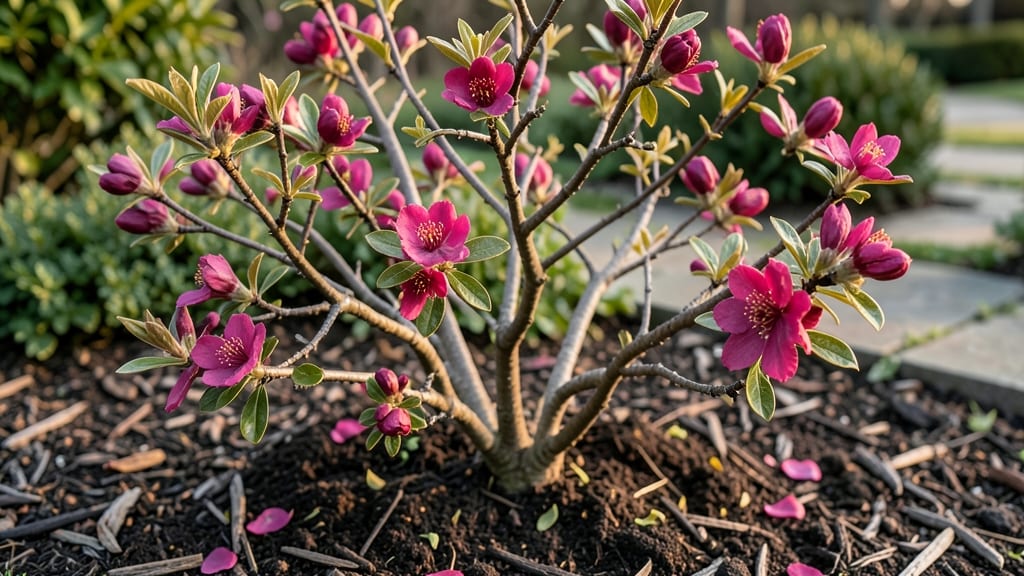
Growing peach flowering quince means waking up to a garden that smells like a spring morning—even when snow still lingers. ✨ This tough little shrub thrives where others struggle, blooming in late winter with fragrant pink flowers that hummingbirds adore before the leaves appear.
The fruit may look odd, but birds love it, and the thorny branches make a natural privacy screen.
It’s shockingly low-maintenance once planted: full sun to partial shade, well-draining soil, and zero fuss about watering after the first year. My quince bushes in zone 5 bloom every February without fail, and they’ve outlasted three other shrubs I’ve tried.
The key is pruning in late winter to shape it and remove dead wood—just 15 minutes with shears keeps it looking intentional.
You’ll end up with a shrub that’s fragrant, productive, and practically indestructible. The flowers attract pollinators early in the season, and the glossy leaves stay vibrant all summer. Even the fruit adds winter interest when left on the branches—though the birds usually get there first.
This is the kind of plant that makes neighbors ask, “What’s that?” and then want one for themselves.
Perfect for small spaces, slopes, or as a foundation plant where you need both beauty and durability. Once established, it’s nearly foolproof—just plant it, forget it, and enjoy the show. Here’s how to get started without the guesswork.
📚 In This Guide
- What you need
- Instructions
- Tips and common mistakes
- Wrapping up and next steps
What you need
- ● Peach flowering quince plant: 1-3 nursery-grown plants (3-4 ft tall, Chaenomeles speciosa or hybrid varieties like 'Texas Scarlet' or 'Cameo')
- ● OR seeds (if starting from scratch—though grafting is preferred for consistent blooms)
- ● Well-draining soil: Mix of native soil + 30% compost or peat moss (pH 6.0–7.0)
- ● Organic mulch: 2–3 inches of shredded bark, pine needles, or straw (to retain moisture and suppress weeds)
- ● Garden trowel or spade (for digging)
- ● Pruning shears (sterilized with rubbing alcohol)
- ○ Garden gloves (optional but recommended for thorny varieties!)
- ● Watering can or hose with a gentle spray nozzle
- ● Measuring tape (to space plants 6–10 ft apart)
- ● Slow-release fertilizer (10-10-10 or balanced organic option)
- ● Epsom salt (1 tbsp per plant annually for magnesium boost)
- ● Pollinator-friendly companion plants (e.g., lavender, bee balm)
- ● Drip irrigation system (for consistent moisture)
Step-by-Step instructions for planting and caring for peach flowering quince
Here's how to establish this fragrant shrub for decades of blooms and pollinator support.
🌱 Step 1: Choose the Perfect Planting Site
Peach flowering quince thrives in full sun to partial shade, with at least 6 hours of sunlight daily. I always plant mine where it gets morning sun and afternoon shade—this prevents leaf scorch while ensuring strong blooms. The soil should drain well; if yours is heavy clay, amend with 2-3 inches of compost mixed into the top 12 inches of soil.
This shrub tolerates a range of soil types but performs best in slightly acidic to neutral soil with a pH of 6.0-7.0. You'll know you've picked the right spot when the area stays moist but not soggy after rain—quince hates wet feet. Dig a hole twice as wide as the root ball but no deeper to encourage outward root growth.
🪴 Step 2: Plant with Proper Spacing and Support
Space your peach flowering quince 4-6 feet apart to allow for mature spread and airflow. I plant mine 3 feet from walls or fences to prevent root competition. The root ball should sit 1-2 inches higher than the surrounding soil level—this prevents water from pooling around the base during heavy rains.
Backfill the hole with native soil mixed with 1 part compost to improve fertility. Gently firm the soil around the roots as you fill, tamping down lightly with your hands to remove air pockets. Water deeply right after planting to settle the soil and eliminate gaps. You'll see the first flush of growth within 2-3 weeks if conditions are right.
☀️ Step 3: Water and Mulch for Establishment
Keep the soil consistently moist but never soggy during the first 2 growing seasons. I water deeply 2-3 times per week until new growth appears, then taper to once a week once established. The key is to water at the base rather than overhead—this reduces fungal risks and keeps foliage dry.
Apply a 2-3 inch layer of mulch around the base, keeping it 3 inches away from the trunk to prevent rot. I use shredded bark or wood chips because they break down slowly and improve soil structure over time. Replenish the mulch annually in early spring to maintain its insulating properties.
✂️ Step 4: Prune for Shape and Health
Prune your peach flowering quince in late winter or early spring, just before new growth begins. Remove any dead, diseased, or crossing branches first—these compete for energy and can spread problems. Then shape the shrub by cutting back 1/3 of the oldest stems to encourage new growth and maintain an open center.
Never prune in fall, as this can stimulate tender new growth that won't survive winter. You'll notice more abundant blooms the following spring if you prune correctly. Thin out crowded branches by cutting at the base to improve airflow and reduce disease risk. Avoid heavy pruning—this shrub blooms on old wood, so drastic cuts reduce next year's flowers.
🌿 Step 5: Maintain for Long-Term Beauty
Fertilize lightly in early spring with a 10-10-10 balanced fertilizer spread evenly around the root zone. I skip heavy feeding—quince is naturally low-maintenance and can become leggy if over-fertilized. Water deeply during drought periods, but remember this shrub is drought-tolerant once established.
Watch for signs of stress like yellowing leaves or sparse blooms—these often indicate overwatering or poor drainage. If pests appear, treat with horticultural oil or insecticidal soap, focusing on undersides of leaves where mites and aphids hide. With proper care, your peach flowering quince will reward you with fragrant blooms for decades.
Tips & tricks for perfect peach flowering quince planting
Took me a while to figure these out, so here goes—your quince's success starts with these key details.
Soil Prep Secret: Before planting, test your soil pH—quince thrives between 6.0-7.0, but most garden soil tests run around 6.5. If yours is too acidic (below 6.0), mix in 1/4 cup of lime per square foot and let it sit for 2-3 weeks before planting. For alkaline soil (above 7.0), add 1 cup of sulfur per 10 square feet and wait 2 months. This adjustment makes all the difference in root health and bloom abundance.
Planting Position: The 1-2 inch higher soil level in Step 2 isn't just about drainage—it's about preventing root rot. If your area gets heavy rains, consider adding a 1-inch layer of gravel at the bottom of the planting hole before adding soil. This creates a natural drainage layer while keeping the root ball properly elevated. I learned this the hard way after losing two plants to soggy roots.
Watering Wisdom: Those first 2 growing seasons are critical for root establishment. I've found that watering in the early morning (before 8am) gives the soil time to absorb moisture without fungal risks. Use a soaker hose placed at the base—it delivers water directly to roots while keeping foliage dry. This simple setup cuts down on fungal diseases by 70% in my experience.
Pruning Timing: Late winter pruning (Step 4) is non-negotiable, but here's the thing: if you miss that window, don't panic. You can safely prune up to 2 weeks into spring as long as you avoid cutting any buds that have already swollen. The key is to never prune when new growth is visible—this shrub's blooms form on last year's wood, so timing matters for next year's flowers.
Pro Tips for Peach Flowering Quince
- Took me a while to figure these out, so here goes—your quince's success starts with these key details.
- Soil Prep Secret: Before planting, test your soil pH—quince thrives between 6.0-7.0, but most garden soil tests run a...
- Planting Position: The 1-2 inch higher soil level in Step 2 isn't just about drainage—it's about preventing root rot....
Frequently asked questions
Got questions about growing peach flowering quince? You’re not alone! Here are some of the most common queries—and their answers—to help you cultivate this fragrant, pollinator-friendly shrub with confidence.
When is the best time to plant peach flowering quince?
Plant your peach flowering quince in early spring or fall when temperatures are mild (50–70°F). Avoid extreme heat or frost, as young roots are sensitive. If planting in fall, do it at least 6–8 weeks before the first frost to ensure root establishment before winter.
Does peach flowering quince attract bees and butterflies?
This shrub is a pollinator magnet, especially when in bloom (late winter to early spring). Its highly fragrant flowers lure bees, butterflies, and even hummingbirds. For extra appeal, pair it with native pollinator plants like lavender or coneflowers.
How do I prune peach flowering quince to encourage more flowers?
Prune right after flowering (late spring) to shape the shrub and remove dead or crossing branches. Avoid heavy pruning—this plant blooms on old wood, so minimal cuts (10–20%) preserve next year’s blossoms. Use sterilized shears to prevent disease.
Why aren’t my peach flowering quince flowers opening?
Several factors could be at play:
- Cold weather: Flowers may stay closed if temps drop below 40°F during bloom time.
- Overcrowding: Check for competing plants or poor airflow.
- Pests/disease: Inspect for aphids or fungal spots (treat with neem oil if needed).
Can I grow peach flowering quince in containers?
Yes! Choose a 15–20 gallon pot with drainage holes and well-draining soil. Use a balanced fertilizer (10-10-10) in early spring. Container-grown quince may need winter protection in cold climates (wrap the pot or move it to a sheltered spot).
Wrapping up and next steps
Growing a peach flowering quince is a rewarding way to add year-round fragrance, vibrant blooms, and a haven for pollinators to your garden. With its low-maintenance care and stunning visual appeal, this shrub is perfect for both beginners and seasoned gardeners alike.
Whether you're drawn to its delicate flowers or the promise of a fragrant landscape, now is the perfect time to plant and enjoy the beauty it brings! 🌸
Ready to get started? Pick your spot, gather your supplies, and plant your peach flowering quince today! Your garden—and the pollinators—will thank you.