Tools
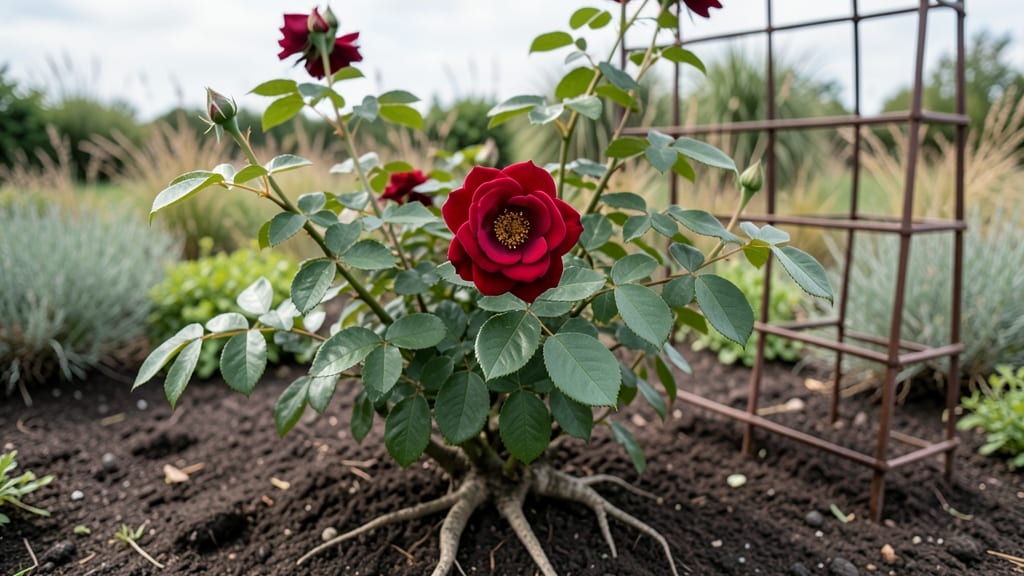
The right flower gardening tools make all the difference between a garden that fades fast and one that stays lush and blooming all season. I learned that the hard way—my first year with cheap, dull pruners left stems ragged and plants struggling.
Now, I’ve got a curated set that transforms my yard into a nonstop floral display.
Start with the basics: bypass pruners for clean cuts, a sturdy trowel for digging, and a hoe to keep weeds at bay. For larger gardens, add a rake and gloves—ergonomic handles save your hands from blisters.
Stainless steel holds up better than aluminum, and lightweight materials make long days easier. Even a simple watering can with a rose attachment prevents soil erosion when you’re nurturing new blooms.
With the right tools, you’ll see flowers lasting weeks longer and stems staying strong. The difference is in the precision—no more torn leaves or uneven cuts that invite disease.
Plus, the satisfaction of working with gear that actually helps? That’s the real reward. Let’s get your toolkit ready for a garden that doesn’t quit.
Whether you’re tackling a small border or a full backyard, these tools adapt effortlessly. The key is investing in quality once—your plants (and your back) will thank you. Here’s how to pick the best for your space and style.
📚 In This Guide
- What you need
- Instructions
- Tips and common mistakes
- Wrapping up and next steps
What you need
- ● Pruning Shears: Bypass shears (5"–7" blades) for clean cuts on stems up to ½". Quantity: 1 pair.
- ● Hand Pruners: Anvil-style (for thicker branches, 1"–1.5" diameter). Quantity: 1 pair.
- ● Loppers: Long-handled (20"–24") for thicker branches (up to 2"). Quantity: 1 pair.
- ● Garden Gloves: Durable, breathable fabric (e.g., leather or synthetic blend). Quantity: 1–2 pairs.
- ● Sharpener: File or whetstone to keep blades razor-sharp. Quantity: 1.
- ● Disinfectant: Rubbing alcohol (70%+) or bleach solution (1:9 ratio) for tool sterilization.
- ● Knee Pads: For comfort during extended pruning sessions.
- ○ Pruning Saw: For branches too thick for loppers (optional but handy).
- ● Trowel: Small garden trowel for digging or transplanting.
- ● Water Spray Bottle: For rinsing tools or hydrating cuttings.
- ● Storage Case: Organized pouch or tool belt to keep everything handy.
- ● Basic knowledge of plant types (annuals vs. perennials) and their pruning needs.
- ● Access to water for cleaning tools and plants post-pruning.
- ● Sunny or partially shaded workspace (depending on plant types).
- ○ Safety Gear: Safety glasses (optional but recommended for heavy pruning).
Step-by-Step guide to selecting and using flower gardening tools
Here's how to choose the right tools for precision pruning and maintain a thriving garden.
Identify Your Essential Pruning Tools
Start with a bypass pruner for clean cuts on stems up to ¼ inch thick. This tool has two blades that slide past each other, making precise snips without crushing plant tissue. For thicker branches, a loppers set with 8-inch handles is ideal—look for a pivoting joint that locks into place for leverage. If your garden includes roses or shrubs with thorns, invest in ratcheting loppers for extra grip and control.
Don’t overlook a hand pruner with a comfortable grip. I recommend one with ergonomic handles to reduce hand fatigue during long pruning sessions. Test the tension—it should require 5-10 pounds of pressure to cut through a ¼-inch stem. If it feels too stiff, you’ll strain your hand; if too loose, the blades won’t make clean cuts.
Choose the Right Cutting Tools for Different Tasks
For deadheading spent blooms, a small pair of floral shears with sharp, fine blades works best. These allow you to trim just above a leaf node without damaging the plant. If you’re shaping hedges or topiaries, a hedge shears set with adjustable blades will give you clean, even edges. For larger-scale pruning, long-handled pruning saws with fine-tooth blades are essential—these handle branches up to 1 inch in diameter without tearing the bark.
I keep a small pruning knife in my gardening belt for precision work, like removing suckers from roses or trimming stubborn stems. The blade should be carbon steel for sharpness and durability. Always carry a small pair of gloves with reinforced palms to protect against thorns and blisters, especially when working with roses or blackberry bushes.
Maintain Your Tools for Longevity and Performance
After each use, wipe down your tools with a damp cloth to remove sap and debris. Store them in a dry, shaded area to prevent rust—moisture is the enemy of metal blades. Once a month, sharpen your pruners and loppers with a file or sharpening stone, focusing on the cutting edges. A dull blade crushes stems instead of making clean cuts, which can invite disease.
For deeper cleaning, soak blades in rubbing alcohol for 10 minutes to disinfect and remove resin buildup. I also apply a thin layer of mineral oil to the blades after sharpening to protect them from oxidation. Check the pivot points on loppers and hinges on pruners for smooth operation—apply a few drops of machine oil if they feel stiff. Well-maintained tools last for years and perform flawlessly.
Use the Right Technique for Clean, Healthy Cuts
Always cut at a 45-degree angle just above a leaf node or bud, about ¼ inch above the growth point. This encourages new growth and prevents water from pooling on the cut, which can rot the stem. For thicker branches, make the cut outside the branch collar—the swollen area where the branch meets the trunk—to avoid damaging the plant’s natural healing response.
When pruning, work early in the morning when plants are hydrated and less stressed. Avoid cutting into wet foliage, as it can spread disease. If you’re removing dead or diseased branches, sterilize your tools with 70% isopropyl alcohol before and after use. This prevents cross-contamination between healthy and infected plants. Always dispose of pruned material in a sealed trash bag to contain any potential pathogens.
Store and Organize Your Tools for Easy Access
Keep your tools in a durable tool belt or wall-mounted organizer to prevent loss and damage. A magnetic strip on a garage wall works well for holding pruners and shears, while a pegboard with hooks keeps loppers and saws within reach. Label each tool with color-coded tags if you have multiple sets—for example, one for roses, another for shrubs—to avoid mixing them up.
Before storing, inspect each tool for damage or wear. Replace any blades that are nicked, bent, or excessively dull—a sharp tool is safer and more effective. I also keep a small tool sharpening kit in my shed for quick touch-ups between deep cleanings. By organizing your tools thoughtfully, you’ll save time and keep your garden looking its best year-round.
Tips & tricks for perfect flower gardening tool selection and use
Precision pruning transforms a good garden into a stunning one—and these essential tips will help you avoid common mistakes that compromise plant health or tool performance.
Precision Over Power: When using your bypass pruner for stems up to ¼ inch thick, position the cut just above a leaf node at a 45-degree angle. This technique, emphasized in Step 4, encourages new growth while preventing water accumulation that leads to rot. I've seen gardeners make the mistake of cutting too close to the node, which can damage the plant's vascular system. Always visualize the growth point before making your cut—this small detail makes all the difference in plant recovery.
Tool-Specific Technique: For thicker branches requiring your loppers (Step 1), never cut at the branch collar—the swollen area where the branch meets the trunk. Instead, make your cut outside this collar, following the natural contour of the branch. This preserves the plant's natural healing response and prevents unsightly stubs. I've had to explain this to frustrated gardeners whose roses developed unsightly scars after improper pruning—don't let this be you.
Maintenance Matters: The 10-minute soaking in rubbing alcohol (Step 3) isn't just about cleanliness—it's a crucial disease prevention measure. I've seen fungal infections spread rapidly between plants when tools weren't properly sterilized. After each use, I make it a habit to wipe down tools with a damp cloth and store them in a dry, shaded area. This simple routine extends your tools' lifespan and keeps your garden healthier. Remember, a well-maintained pruner can last decades with proper care.
Safety First: When working with roses or thorny shrubs, always wear gloves with reinforced palms (Step 2). I've treated too many gardeners with thorn-prick injuries that could have been prevented. The small pruning knife I keep in my belt is invaluable for precision work, but its carbon steel blade demands respect—always store it properly and keep it sharp. A dull blade requires more force, increasing the risk of slipping and injury.
Pro Tips for Flower Gardening Tools
- Precision pruning transforms a good garden into a stunning one—and these essential tips will help you avoid common mi...
- Precision Over Power: When using your bypass pruner for stems up to ¼ inch thick, position the cut just above a leaf ...
- Tool-Specific Technique: For thicker branches requiring your loppers (Step 1), never cut at the branch collar—the swo...
Frequently asked questions
Got questions about the right tools for your flower garden? Here are some of the most common queries—plus straightforward answers to help you garden with confidence!
What are the essential flower gardening tools for beginners?
Start with a hand trowel, pruning shears, gardening gloves, and a small watering can. These basics cover planting, trimming, protection, and hydration. As you grow, add a long-handled weeder and stakes for support.
When is the best time to prune flowers with the right tools?
Prune deadheading flowers (removing spent blooms) throughout the growing season to encourage new growth. For structural pruning (like shaping shrubs), do it in late winter or early spring before new growth starts. Always use clean, sharp tools to avoid disease.
Are expensive tools worth it for flower gardening?
Not always! High-quality bypass pruners and ergonomic gloves last longer, but affordable options work for light use. Invest in durable basics first, then upgrade as needed. Check reviews for budget-friendly brands like Fiskars or Corona for great value.
How do I keep my flower gardening tools sharp and rust-free?
After each use, wipe tools with a damp cloth to remove dirt, then dry and oil metal parts (like pruners) with mineral oil. Sharpen blades with a file or whetstone 2–3 times a season. Store tools in a dry, covered area (like a shed) to prevent rust.
Can I use kitchen scissors or regular shears for pruning?
While they can work in a pinch, kitchen scissors dull quickly and lack the precision of bypass pruners. Regular shears may crush stems, damaging plants. For long-term health, use garden-specific tools—they’re designed to make clean cuts that heal faster.
Wrapping up and next steps
With the right flower gardening tools in hand, you’re well on your way to cultivating a vibrant, thriving garden that brings joy for seasons to come! 🌸 Precision pruning, thoughtful selection, and proper maintenance are the keys to lush, long-lasting blooms—so don’t hesitate to experiment and refine your technique. Now’s the perfect time to roll up your sleeves, grab your shears, and watch your garden flourish!
Ready to take the next step? Start small—perhaps by mastering a single pruning technique or investing in one high-quality tool. Your garden’s beauty is just a cut away!