Shrubs
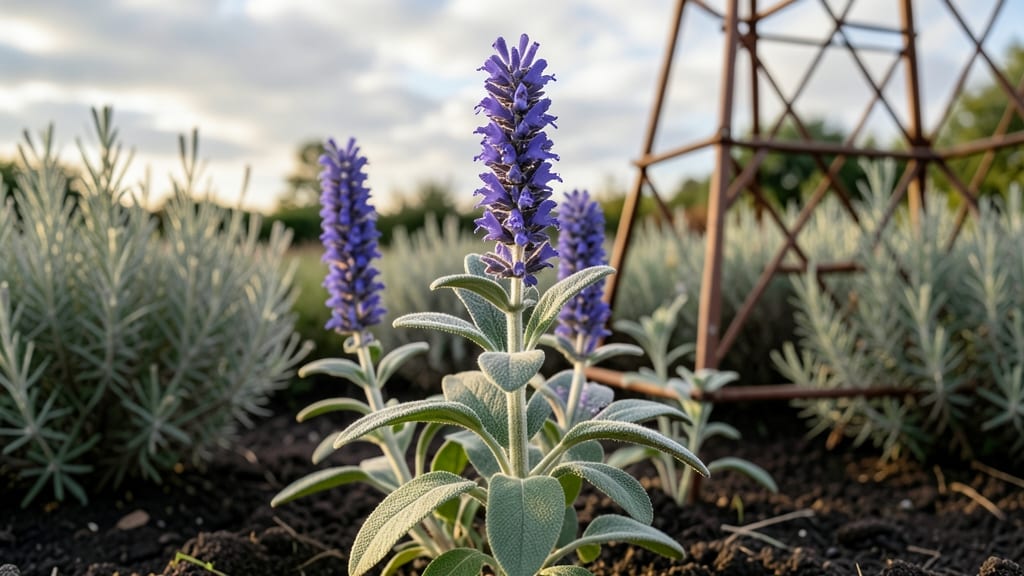
A sage flowering shrub is a fragrant, hardy perennial known for its aromatic leaves and vibrant blooms, thriving in full sun with minimal care. Varieties like Salvia officinalis and Salvia nemorosa produce purple, blue, or white flowers while retaining culinary or ornamental value. Prune after flowering to encourage bushier growth and prevent legginess.
A sage flowering shrub isn't just about the leaves—its showstopping blooms make it a garden superstar. 🌸 These plants are drought-tolerant once established, making them perfect for low-maintenance landscapes, and their flowers attract pollinators all season.
I've seen Salvia nemorosa transform a summer border with its towering spikes of lavender blooms, while Salvia officinalis adds a dual-purpose charm with its culinary leaves and delicate purple flowers.
What sets flowering sages apart is their adaptability. They thrive in USDA zones 5-9, handle poor soil better than many perennials, and even improve with age.
The key to keeping them lush? Well-draining soil and occasional pruning—never cutting back into old wood, or you'll sacrifice next year's blooms. For best results, pair them with lavender or catmint to create a fragrant, long-blooming display.
💡 In This Article
- How Sage Flowering Shrubs Differ from Culinary Sage
- Top Sage Shrub Varieties for Gardens and Landscaping
How sage flowering shrubs differ from culinary sage
The key difference between flowering sages and culinary sage (Salvia officinalis) lies in their botanical structures.
Ornamental sages like Salvia nemorosa develop tall, erect flower spikes (up to 3-4 feet) topped with dense clusters of tubular blooms, while culinary sage produces smaller, less showy flowers that are often overlooked.
The leaves also vary—culinary sage has gray-green, pebbled leaves with a strong piney aroma, while flowering varieties often feature smoother, darker green foliage that's less pungent but equally aromatic when crushed.
What makes flowering sages garden superstars is their extended bloom cycles. Most varieties flower from mid-summer to early fall, with some like Salvia 'May Night' producing deep purple blooms that last 6-8 weeks.
Their drought tolerance comes from deep root systems that store water efficiently—once established, they need only 1 inch of water per week in most climates. This contrasts with culinary sage, which prefers consistent moisture and may struggle in dry conditions without regular watering.
The growth habits also differ significantly. Flowering sages often form woody, multi-stemmed shrubs that can reach 3-5 feet tall and wide, while culinary sage stays more compact (typically 2-3 feet) with a single dominant stem.
This makes flowering varieties ideal for border plantings or pollinator gardens, where their vertical structure creates visual interest. Their frost hardiness ranges from USDA zones 5-9, with some varieties like Salvia 'Purple Smoke' surviving -20°F temperatures.
Here's what's actually happening with their pollinator appeal: The tubular flowers of ornamental sages are specifically adapted to attract hummingbirds, bees, and butterflies. Their nectar-rich blooms produce up to 30% more sugar than many other perennials, making them a magnet for wildlife.
In contrast, culinary sage flowers are less conspicuous and primarily serve to produce seeds. This ecological benefit is why landscape designers often choose flowering sages—they create self-sustaining ecosystems while requiring minimal intervention.
One nuance to consider is leaf texture. Flowering sages often have softer, more velvety leaves compared to the coarser, hairy texture of culinary sage.
This affects both their ornamental value and potential culinary use—while some flowering varieties like Salvia officinalis 'Berggarten' are edible, their flavor is typically milder and less intense than traditional culinary sage.
For gardeners, this means you can enjoy both the visual spectacle of flowers and the aromatic foliage without sacrificing one for the other.
For best results with flowering sages, time your pruning carefully. After the first hard frost, cut back one-third of the oldest stems to encourage new growth. This prevents the plant from becoming woody and leggy while maintaining its compact shape.
The science behind this involves apical dominance—by removing the oldest growth, you stimulate lateral buds to produce fresh, vigorous shoots for next season's blooms.
What most people don't realize is how versatile these plants are in different climates. In hot, dry regions like the Southwest, flowering sages thrive with almost no irrigation once established. In cooler climates (zones 5-6), they benefit from a thick mulch layer to protect roots during winter.
This adaptability makes them one of the most low-maintenance perennials for modern gardens. 🌿