
Shrubs
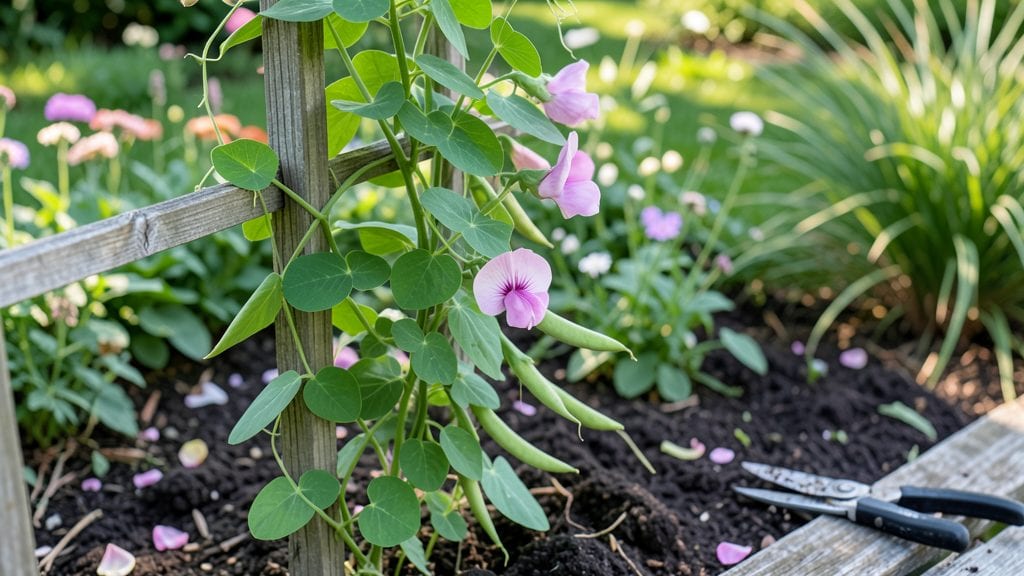
Pink flowering peach trees bring breathtaking spring blooms and sweet fruit to your yard 🍑, but they need the right care to thrive.
Imagine a garden bursting with delicate pink blossoms in spring—pink flowering peach trees don’t just look stunning, they also produce delicious fruit. But growing these ornamental beauties requires the right approach to ensure vibrant blooms and healthy trees.
In Zone 6, planting between April and May after the last frost sets the stage for success. These trees love full sun and well-drained soil, but even with the right conditions, many gardeners struggle to get both flowers and fruit.
Here, I’ll walk you through everything you need to know—from planting and pruning to watering and fertilizing—to keep your pink flowering peach tree blooming beautifully and bearing fruit year after year.
How to choose and plant pink flowering peach trees for maximum blooms
Pink flowering peach trees are a dream for gardeners who love both beauty and bounty. Their stunning pink blossoms in spring create a romantic garden scene, while their edible fruit adds practical value.
To achieve maximum blooms and healthy growth, you’ll need to focus on selecting the right variety and creating ideal planting conditions. Let’s dive into the essential steps to set your tree up for success.
Not all peach trees produce pink flowers, so choosing the right variety is key. Popular options like ‘Bonanza’ or ‘Redhaven’ may have pink-tinged blooms, but for consistent pink flowers, look for ‘Pink Lady’ or ‘Pink Glow’ varieties.
These are bred specifically for their vibrant blossoms and reliable fruit production. Always check with local nurseries to ensure the variety thrives in your USDA hardiness zone.
Before planting, assess your garden’s sunlight exposure, soil quality, and spacing requirements. Pink flowering peach trees thrive in full sun—at least 6-8 hours of direct sunlight daily—to fuel their energy for blooming and fruiting.
Poor sunlight leads to sparse flowers and weak growth. Test your soil’s drainage and pH level (ideal range: 6.0-7.0) to ensure it’s suitable for peaches.
Now, let’s get to the actionable steps. Follow this step-by-step guide to plant your pink flowering peach tree correctly and set the stage for abundant blooms.
Choose the Right Variety
Select a pink-flowering peach variety like ‘Pink Lady’ or ‘Pink Glow’. These are bred for vibrant blooms and reliable fruit production. Verify the variety’s chilling hours (300-900 hours) matches your climate.
Pick the Perfect Location
Plant in a spot with full sun exposure (6-8+ hours daily) and well-draining soil. Avoid low-lying areas where water pools, as peach trees hate soggy roots. Ensure at least 15 feet of space between trees for proper airflow.
Prepare the Planting Hole
Dig a hole twice as wide as the root ball but no deeper. Amend the native soil with compost or aged manure to improve fertility. Avoid adding fresh manure, which can burn roots.
Plant at the Right Depth
Place the tree so the graft union (visible bump on the trunk) sits 2-3 inches above soil level. This prevents root rot while protecting the graft. Backfill with native soil, tamping gently to remove air pockets.
Water Thoroughly After Planting
Give the tree a deep watering (10-15 gallons) to settle the soil and encourage root growth. Mulch around the base with 2-3 inches of organic mulch (like wood chips) to retain moisture and suppress weeds.
Stake for Support (If Needed)
Young trees may need staking to prevent wind damage. Use a soft tie to secure the trunk without restricting growth. Remove stakes after 1-2 years to encourage natural strength.
After planting, monitor your tree closely for the first few weeks. Yellowing leaves or wilting can signal overwatering or poor drainage, while brown edges may indicate underwatering. Adjust your watering schedule based on your soil’s moisture level—stick your finger 2 inches deep into the soil; if it’s dry, water deeply.
To encourage maximum blooms, prune your tree in late winter or early spring before buds swell. Remove dead or crossing branches and thin out the canopy to improve airflow.
Avoid heavy pruning, as peach trees bloom on last year’s growth. A light trim promotes healthier branches and more abundant flowers.
Pink flowering peach trees are a stunning addition to any garden, offering both beauty and fruit. By following these steps—selecting the right variety, planting in the ideal location, and providing proper care—you’ll set the stage for vibrant pink blooms and a bountiful harvest.
With patience and attention, your tree will reward you with years of color and delicious peaches.
🌷
Essential care tips for pink flowering peach trees: pruning, watering & fertilizing
Pink flowering peach trees thrive when given the right care, especially when it comes to pruning, watering, and fertilizing. These steps directly impact your tree’s ability to produce those stunning spring blooms and delicious fruit.
Let’s break down the seasonal routines that will keep your tree healthy and blooming beautifully year after year.
One of the first things to understand is that pink flowering peaches are not just ornamental—they’re also fruit-bearing. This means your care routine should balance bloom production with fruit development.
Too much pruning or improper watering can reduce flowering, while the right approach will encourage both vibrant blooms and a bountiful harvest.
🌱 Numbered Highlights for Pink Flowering Peach Care
- 1. Prune in Late Winter: Remove dead or crossing branches to improve air circulation. Avoid heavy pruning—keep it to 10-20% of the canopy to preserve next year’s blooms.
- 2. Water Deeply in Summer: Provide 10-15 gallons per tree weekly during dry spells. Focus on the root zone to encourage deep root growth.
- 3. Fertilize in Early Spring: Use a balanced 10-10-10 fertilizer at planting and again in early spring. Avoid over-fertilizing, which can reduce flowering.
- 4. Mulch in Fall: Apply 2-3 inches of organic mulch around the base to retain moisture and protect roots from temperature swings.
- 5. Monitor for Pests: Watch for aphids or peach tree borers. Use neem oil or insecticidal soap for organic control.
When it comes to pruning, timing is everything. The best time to prune your pink flowering peach tree is in late winter or early spring, just before new growth begins. This helps stimulate flowering buds for the upcoming spring.
Use sharp, clean pruners to make cuts at a 45-degree angle just above a bud or branch collar. Always remove any dead, diseased, or weak branches first, as these can drain energy from the tree.
Watering your tree correctly is another critical factor. Pink flowering peach trees need deep, infrequent watering rather than shallow, frequent watering. Aim to water once a week during dry periods, providing enough water to soak the soil down to 12-18 inches deep.
Watering in the early morning helps reduce evaporation and minimizes the risk of fungal diseases. Avoid wetting the foliage, as this can encourage leaf spot diseases.
Fertilizing plays a key role in encouraging both blooms and fruit production. Start with a balanced fertilizer (like 10-10-10) at planting time, then apply it again in early spring as new growth begins.
During the growing season, you can lightly fertilize every 4-6 weeks, but avoid heavy feeding in late summer or fall, as this can stimulate tender new growth that won’t survive winter. Organic options like compost or well-rotted manure can also improve soil health over time.
Don’t forget about seasonal adjustments! In fall, reduce watering and stop fertilizing to help the tree prepare for dormancy. Apply a 2-3 inch layer of mulch around the base to insulate the roots.
In winter, avoid pruning unless you notice dead branches that need removal. With these care tips, your pink flowering peach tree will reward you with vibrant blooms and delicious fruit for years to come.