Pests
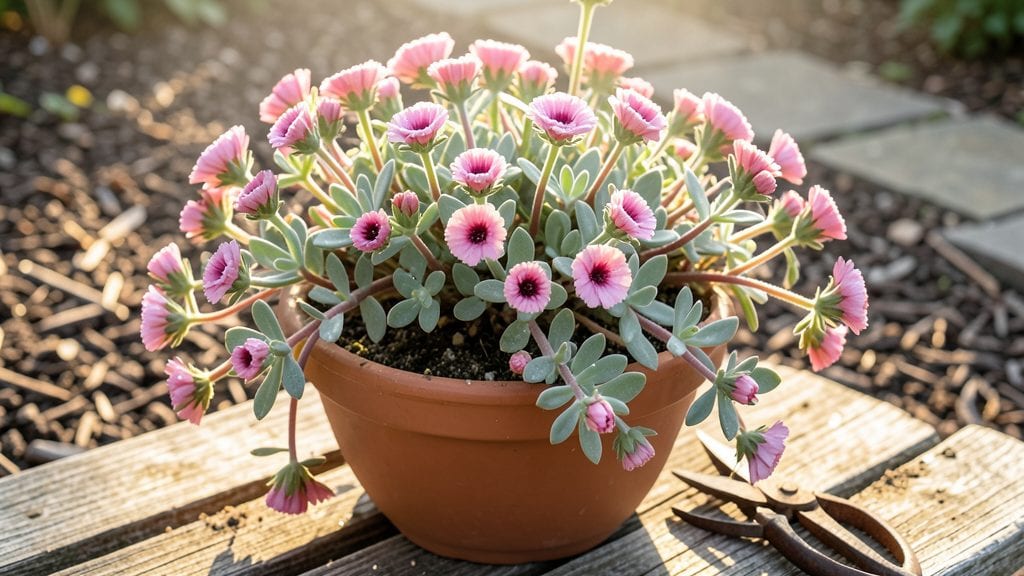
Before you yank those weed small pink flowers from your sidewalk cracks, pause—those tiny blooms are a free, buzzing buffet for pollinators. ✨ that turns bare spots into buzzing meadows. Clover, chickweed, and native wildflowers like creeping phlox all fit this description, and they’re tougher than most garden plants.
The best part? They thrive where nothing else will—dry shade, poor soil, even pavement crevices. These plants spread quickly but stay neat, filling gaps without choking out your prized perennials. Plus, they’re magnets for bees and butterflies, giving your garden a lively, dynamic look without extra work.
My own patch of creeping thyme and clover has become the busiest spot in the yard.
You’ll end up with a garden that looks intentionally planted, not just "weed-free." The pink blooms contrast beautifully with deeper greens and purples, and the pollinators will thank you. Best of all, you can shape them into borders, fill in between stepping stones, or let them naturalize where they land.
Let’s turn those "weeds" into your garden’s secret weapon.
Works in any sunny or partially shaded spot—containers, borders, or even as a living mulch. Once established, they’ll outcompete true weeds while keeping your design cohesive. Here’s how to make them work for you without losing control.
Root Causes Behind Pink Blooms
Pink-flowered weeds aren’t just a pretty sight—they thrive due to a mix of environmental, biological, and even human-driven factors. Understanding these triggers helps gardeners and ecologists manage their spread effectively. Here’s why these tiny pink blooms pop up where they shouldn’t.
Many small pink-flowered weeds, like clover (Trifolium spp.) or chickweed (Stellaria media), love full sun to partial shade. Excessive sunlight accelerates their growth, prompting rapid seed production and flowering. Heat stress in lawns or garden beds can also weaken native plants, leaving gaps for these weeds to invade.
Actionable Fix:
- Shade competition: Plant taller perennials or trees to block sunlight in problem areas.
- Mulch thickly: A 3-inch layer of mulch suppresses weeds by blocking light and retaining moisture.
Weeds with small pink flowers often thrive in either overly dry or soggy conditions. Drought-tolerant species like prostrate spurge (Euphorbia humistrata) flourish in dry, compacted soil, while moisture-loving types (e.g., henbit, Lamium amplexicaule) take over damp, poorly drained areas.
Actionable Fix:
- Test soil: Use a moisture meter or the "squeeze test" to check drainage.
- Adjust watering: Water deeply but infrequently to encourage deep root growth in desired plants.
Weeds exploit nitrogen-rich or imbalanced soil. Fast-growing species like creeping charlie (Glechoma hederacea) thrive when lawns are over-fertilized, while others (e.g., pink purslane, Portulaca grandiflora) dominate in phosphorus-heavy soils.
Actionable Fix:
- Soil test: Check pH and nutrient levels (aim for 6.0–7.0 pH for most lawns).
- Targeted fertilizing: Use slow-release, organic fertilizers to avoid spikes in nitrogen.
Many pink-flowered weeds rely on bees, butterflies, and wind to spread. Species like black medic (Medicago lupulina) produce nectar-rich flowers that attract pollinators, ensuring seed dispersal. Even disturbed soils (from foot traffic or construction) create ideal germination spots.
Actionable Fix:
- Reduce disturbances: Avoid walking on lawns or tilling garden beds unnecessarily.
- Hand-pull early: Remove weeds before they flower to cut off seed production.
Warmer winters and longer growing seasons (thanks to climate change) allow weeds to flower earlier and persist longer. Some, like henbit, bloom in late fall and winter, taking advantage of mild temperatures.
Actionable Fix:
- Fall prep: Apply pre-emergent herbicides in late summer to block winter weeds.
- Native alternatives: Plant pollinator-friendly natives (e.g., wild bergamot, Monarda fistulosa) to outcompete invasives.
Overzealous mowing, herbicide misuse, or scalping grass (cutting too short) stress lawns, creating openings for weeds. Even leaving grass clippings (thatch) can harbor weed seeds.
Actionable Fix:
- Mow high: Keep grass at 3–4 inches to shade out weeds.
- Proper herbicide use: Spot-treat weeds with glyphosate-free options like vinegar + soap for organic control.
Pro Tip: 🌡️ Monitor conditions—weeds often reveal underlying soil or maintenance issues. Address the root cause (literally!) to keep your space lush and weed-free.
How to Manage Those Tiny Pink Invaders
Those delicate weed small pink flowers might seem charming at first glance, but they can quickly take over your garden if left unchecked. The good news? With the right approach, you can regain control without harsh chemicals.
Below, we’ve mapped out practical solutions based on the most common causes—whether it’s poor soil health, overwatering, or simply neglect. Plus, we’ll share proactive tips to keep your garden lush and weed-free for good.
If your garden is struggling with compacted soil or lacks nutrients, weeds like clover, chickweed, or creeping Charlie (all with tiny pink blooms) thrive in these conditions. Here’s how to turn things around:
🔥 Step 1: Test Your Soil (Quick & Easy)
- Grab a soil test kit (available at garden centers for ~$10) or send a sample to your local extension office.
- Check for pH balance (ideal: 6.0–7.0 for most plants) and nutrient levels (nitrogen, phosphorus, potassium).
- Pro Tip: 💡 If your soil is too alkaline (high pH), mix in sulfur or peat moss to lower it gradually.
👨🍳 Step 2: Loosen & Amend the Soil
- Use a garden fork or tiller to break up compacted areas (aim for 6–12 inches deep).
- Add compost (2–3 inches) or well-rotted manure to improve drainage and fertility.
- For sandy soil, mix in coconut coir or peat moss to retain moisture.
🥘 Step 3: Mulch Like a Pro
- Apply a 2–4 inch layer of mulch (straw, wood chips, or shredded leaves) to block sunlight and suppress weeds.
- Avoid fresh grass clippings—they can mat down and trap moisture, encouraging weed seeds to sprout.
- Pro Tip: ✨ Refresh mulch annually to maintain its weed-blocking power.
Weeds like pink purslane or prostrate spurge love soggy soil. If your garden stays damp, these invaders will spread like wildfire. Here’s how to dry things up:
🔪 Step 1: Improve Drainage Fast
- Dig shallow trenches around problem areas to redirect excess water.
- If planting in containers, ensure pots have drainage holes and use a mix of perlite or vermiculite in the soil.
- Pro Tip: 🌡️ Water deeply but less frequently—most weeds can’t survive if the topsoil dries out between waterings.
🌱 Step 2: Choose Drought-Tolerant Plants
- Replace water-loving weeds with native perennials (like sedum or lavender) that thrive in dry conditions.
- Avoid overwatering—stick to 1 inch of water per week (including rainfall).
⏰ Step 3: Hand-Pull at the Right Time
- Weeds are easiest to remove when the soil is dry but workable (not bone-dry or muddy).
- Grasp the base of the weed and pull upward—no tools needed for small patches.
- Pro Tip: 🎯 For stubborn weeds, soak the area first with vinegar + dish soap (repeat weekly for 2–3 weeks).
Weeds spread fastest when you ignore them. A little consistent care can prevent them from becoming a full-blown problem.
💡 Prevention Tips to Keep Weeds Out
- Mulch early (before weeds sprout) to smother seeds.
- Pull weeds weekly—they’re easier to remove when young.
- Solarize soil in late summer: Cover bare soil with clear plastic for 4–6 weeks to kill weed seeds with heat.
- Plant densely—crowded plants leave less room for weeds to take hold.
🛡️ Natural Barriers Work
- Lay landscape fabric under mulch in high-weed areas (leave edges exposed to prevent smothering plants).
- Use gravel or rocks in pathways or borders—weeds struggle to grow in these conditions.
With these strategies, you’ll not only banish those pesky pink blooms but also create a healthier, more vibrant garden that stays weed-free with minimal effort. The key? Stay consistent—weeds don’t stand a chance when you’re proactive! 🌸
Frequently asked questions
Are small pink-flowered weeds always bad for my garden?
Not necessarily! Many like clover or chickweed actually benefit gardens by attracting pollinators and improving soil. These "weeds" can serve as natural ground cover in shady spots or between stepping stones. The key is managing their spread—let them thrive where you want them, but pull them where you don't.
How can I tell if those pink flowers are beneficial weeds or invasive species?
Look at their growth habits: Native pollinator plants (like creeping phlox) have deep roots and stay contained, while invasives (like henbit) spread aggressively. Check local plant databases or consult your extension office—they can help identify species in your region. If in doubt, remove and compost them to be safe.
Will mulching help control these pink-flowered weeds?
A 3-inch layer of mulch (straw, wood chips, or leaves) blocks sunlight that weed seeds need to germinate. For best results, apply mulch right after planting and refresh it annually. Just avoid piling it against plant stems to prevent rot. Mulch works especially well for suppressing weeds in borders and garden beds.
Can I use these pink-flowered weeds in my landscape design?
Yes! They make excellent natural borders, pollinator-friendly ground cover, or even container plantings. Try mixing clover with thyme for a low-maintenance, bee-attracting edge. For a more structured look, pair them with lavender or sedum. Just monitor their spread and trim back as needed to keep them contained.
What's the best time of year to manage these weeds?
Early spring and late fall are ideal. In spring, weeds are young and easy to pull before they establish deep roots. In fall, many species (like henbit) are just starting to sprout—removing them then prevents next year's growth. Avoid treating in summer when plants are stressed by heat, making them harder to remove.