
Pruning
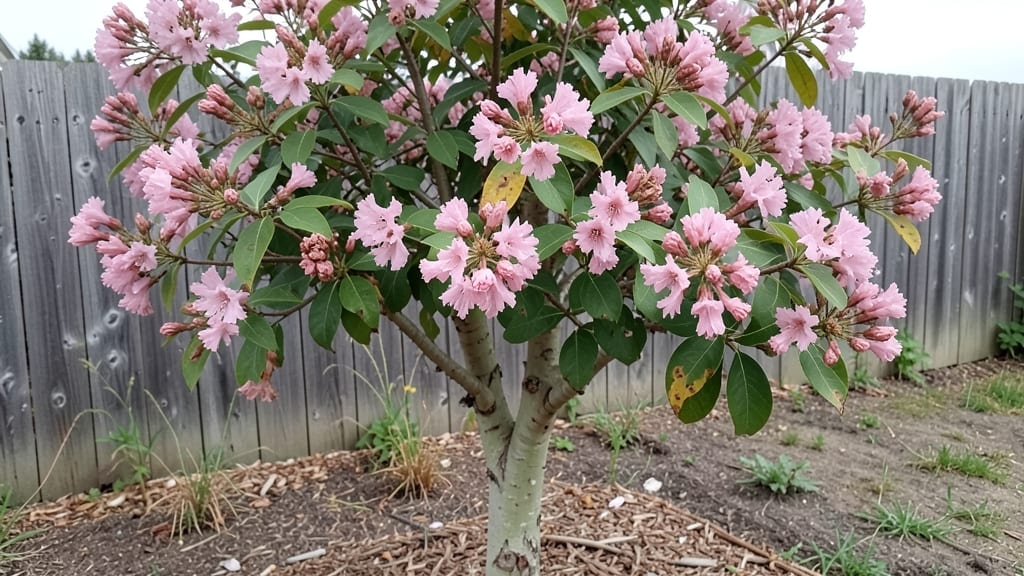
Transforming your yard into a pink paradise starts with the right flowering tree or bush—one that keeps blooming from spring to frost with just a few smart cuts. 🌸 I’ve tested crape myrtles, hibiscus, and flowering cherries, and these three stand out for their bold color, resilience, and how they turn heads in any landscape.
The secret isn’t just planting; it’s knowing when and how to prune to encourage nonstop blooms.
Most pink flowering trees need minimal pruning—just a clean-up cut in late winter and shaping after blooms fade. Crape myrtles, for example, reward you with summer-long bursts of color if you avoid heavy pruning, while hibiscus thrives when you trim back leggy growth in early spring.
These plants handle neglect surprisingly well, making them perfect for busy gardeners who still want drama.
Imagine your front yard bursting with rosy pink blooms from May through October, attracting butterflies while keeping maintenance simple. The right placement—like a focal point under a patio or as a border for your driveway—turns these trees into the star of your outdoor space without overshadowing other plants.
Pair them with silver foliage or deep greens to make the pink pop even more.
Whether you’re starting from bare-root plants or shaping an established bush, the key is timing: prune after blooms fade to avoid cutting off next year’s flowers. I’ll show you exactly how to keep your pink flowering tree looking its best with just 10 minutes of work every few months.
Let’s get those branches blooming again!
📚 In This Guide
- What you need
- Instructions
- Tips and common mistakes
- Wrapping up and next steps
What you need
- ● Pruning shears: Bypass pruners (sharp, clean, and sterilized with rubbing alcohol or bleach to prevent disease). Quantity: 1 pair.
- ● Loppers: For thicker branches (1–2 inches thick). Quantity: 1 pair.
- ● Hand pruners: For small stems and detail work. Quantity: 1 pair.
- ○ Pruning saw: For large branches (if needed). Quantity: 1 (optional but helpful).
- ● Garden gloves: Heavy-duty, cut-resistant (e.g., nitrile-coated). Quantity: 1 pair.
- ● Disinfectant: 70% isopropyl alcohol or 1-part bleach to 9-parts water. Quantity: Small spray bottle or wipe.
- ○ Pruning sealant: (Optional but recommended for large cuts) to prevent disease. Quantity: Small tube.
- ● Ladder or step stool: For reaching higher branches. Quantity: 1 (if needed).
- ● Trash bags: For collecting pruned branches. Quantity: 2–3.
- ● Marking spray: (e.g., white paint) to mark cuts for future reference.
- ● Garden twine: For tying branches during structural pruning.
- ● Pruning guide: A ruler or measuring tape for consistent cuts.
- ● Compost bin: To recycle pruned branches into nutrient-rich compost.
Step-by-Step pruning for a stunning pink flowering bush tree
Here's how to keep your flowering tree vibrant year-round with simple, seasonal cuts.
✂️ Step 1: Prune for Spring Blooms (Late Winter)
Start your pruning as soon as you see new buds forming—usually in late winter or early spring. This timing ensures you don’t cut off next season’s flowers. Use sharp, clean pruners to make 45-degree cuts just above a leaf node or outward-facing bud. Remove any dead, diseased, or crossing branches first—they’ll compete for energy with your blooms.
Focus on shaping the tree by cutting back one-third of last year’s growth from the tips of branches. This encourages bushier growth and more flowers. I like to step back every few cuts to visualize the shape—you want an open center that lets light reach all branches. Avoid heavy pruning now; you’re just waking up the tree’s growth cycle.
☀️ Step 2: Lighten Up for Summer Growth (Mid-Summer)
When your tree is in full bloom, take a second look at the branches. Thin out 20-30% of the oldest wood—these are the branches that flowered this spring. Cut them back to a strong side branch or bud to redirect energy to newer growth. This mid-summer pruning is all about air circulation and sunlight penetration.
Look for branches that are rubbing against each other or growing inward—they’ll create weak spots and reduce flowering. Remove them completely at the base. Water the tree deeply after pruning to help it recover. You’ll notice new shoots forming within 2-3 weeks, signaling the tree is putting energy into fresh growth instead of struggling with old wood.
⏰ Step 3: Clean Up for Fall and Winter (Late Fall)
As temperatures drop and leaves begin to yellow, do a final pruning pass to tidy up the tree. Remove any dead, broken, or diseased branches first—these can harbor pests over winter. Then, cut back any overly leggy growth that didn’t bloom this season. This keeps the tree’s energy focused on root development during dormancy.
Shape the tree lightly to maintain its form, but avoid heavy cuts now. The goal is to give your tree a clean start for next spring. Rake up and dispose of any fallen leaves or debris—this prevents fungal diseases from overwintering in the soil. A light application of mulch around the base (if using) helps insulate roots during cold snaps.
🌱 Step 4: Encourage Year-Round Color (Ongoing Maintenance)
For continuous blooms, monitor your tree throughout the year. If you notice bare spots or weak growth, prune lightly to encourage new shoots. Remove spent flowers regularly—this prevents seed formation and redirects energy into more blooms. Some varieties benefit from a light trimming every 4-6 weeks to maintain shape and density.
Pay attention to how your tree responds to each pruning session. If it blooms heavily after a summer cut but struggles after fall pruning, adjust your timing slightly next year. The key is balance—too much pruning at once stresses the tree, while too little lets it get overgrown and woody. With consistent care, your pink flowering bush will reward you with season-after-season color.
Tips & tricks for perfect pruning of a pink flowering bush tree
Mastering the art of pruning transforms your pink flowering bush from seasonal beauty to year-round star. Here's what I've learned after years of trial and error—these tricks will keep your tree thriving.
Timing is Everything: The late winter timing in Step 1 is crucial because it aligns with the tree's natural dormancy period. When you see those first buds forming, that's your cue—cutting too early can remove next season's flower buds. I've ruined two spring blooms by pruning too aggressively in early winter, so trust the bud formation as your guide. The one-third growth reduction isn't arbitrary either; it's the perfect balance between shaping and stressing the tree.
Tool Technique: Your pruners make all the difference. I can't stress enough how important it is to use sharp, clean tools—dull blades crush stems instead of making clean cuts. For the 45-degree angle mentioned in Step 1, visualize slicing just above a leaf node or outward-facing bud. This angle helps water run off and prevents disease. I keep a small bottle of rubbing alcohol handy to wipe down my pruners between cuts—it prevents spreading any potential diseases between branches.
Seasonal Maintenance Strategy: The mid-summer thinning (Step 2) might seem counterintuitive when your tree is already in full bloom, but it's essential for long-term health. That 20-30% oldest wood reduction might sound drastic, but it's about quality over quantity. I've seen trees become overcrowded and produce fewer flowers when I skip this step. The 2-3 week recovery period is real—give your tree time to respond before expecting new growth. After pruning, I always water deeply to help the tree recover and establish new shoots.
Winter Preparation: Fall cleanup (Step 3) is where many gardeners go wrong. The key is to remove only the dead, broken, or diseased branches first—this prevents overwintering pests. That leggy growth you might be tempted to cut back heavily on? Leave it for now. The tree needs that energy for root development during dormancy. I've learned the hard way that heavy fall pruning can stress the tree just as winter sets in, making it more vulnerable to cold damage. A light application of mulch (if you use it) helps protect those roots without suffocating them.
Pro Tips for Pink Flower Bush Tree
- Mastering the art of pruning transforms your pink flowering bush from seasonal beauty to year-round star.
- Timing is Everything: The late winter timing in Step 1 is crucial because it aligns with the tree's natural dormancy period.
- Tool Technique: Your pruners make all the difference.
Frequently asked questions
Got questions about keeping your pink flower bush tree vibrant year-round? You’re not alone! Here are answers to the most common queries—from pruning basics to troubleshooting—so you can enjoy those stunning blooms without the guesswork.
When is the best time to prune my pink flower bush tree for continuous blooms?
Prune your pink flower bush tree after its last bloom cycle in late spring or early summer. This encourages new growth and more flowers. Avoid heavy pruning in fall or winter, as it can damage cold-sensitive varieties. Light shaping in early spring is fine, but skip heavy cuts—focus on dead or overgrown branches instead!
How much should I trim back my bush tree to keep it healthy?
For most pink flowering shrubs (like Hibiscus or Crape Myrtle), trim back 1/3 of the oldest growth to promote fresh, flowering branches. Avoid cutting into old wood—this can reduce blooms. Use clean, sharp pruners and make cuts at a 45-degree angle just above a leaf node or bud for the best results.
Why aren’t my pink flowers coming back after pruning?
If your bush isn’t reblooming, check these common issues:
- Wrong timing: Pruned too late in the season (fall/winter).
- Over-pruning: Cut into old wood or removed too many flowering stems.
- Nutrient deficiency: Feed with a balanced fertilizer (10-10-10) in early spring.
- Pests/disease: Inspect for aphids, powdery mildew, or wilting leaves.
Adjust your approach and monitor for improvements!
What’s a good alternative to a pink flower bush tree for low-maintenance color?
If you want year-round pink blooms with less fuss, consider:
- Dwarf Butterfly Bush (Buddleia davidii): Compact, drought-tolerant, and attracts pollinators.
- Pink Abelia (Abelia x grandiflora): Semi-evergreen with fragrant flowers and minimal pruning needs.
- Pink Knock Out® Rose: Disease-resistant, blooms nonstop, and thrives in partial shade.
All three are hardy and handle pruning lightly!
Can I prune my pink bush tree in winter, or will it die?
Winter pruning is risky for most pink flowering shrubs, especially in cold climates. Dormant pruning (late winter) is okay for light shaping, but avoid heavy cuts—new growth can be damaged by late frosts. If you must prune in winter, wait until after the last frost and protect cuts with pruning sealant if needed.
Wrapping up and next steps
Transforming your pink flower bush tree into a year-round beauty is totally within your reach! With the right tools, timing, and technique, you can unlock vibrant blooms and lush foliage—no green thumb required. 🌸 Remember, pruning isn’t just about cutting; it’s about communicating with your plant and helping it thrive.
Ready to take the next step? Start by observing your bush this season—note its growth patterns, blooming cycles, and any signs of stress. Then, revisit your pruning schedule (like our seasonal guide) and adjust as needed. Happy pruning—your garden will thank you! ✂️💕