
Light Requirements
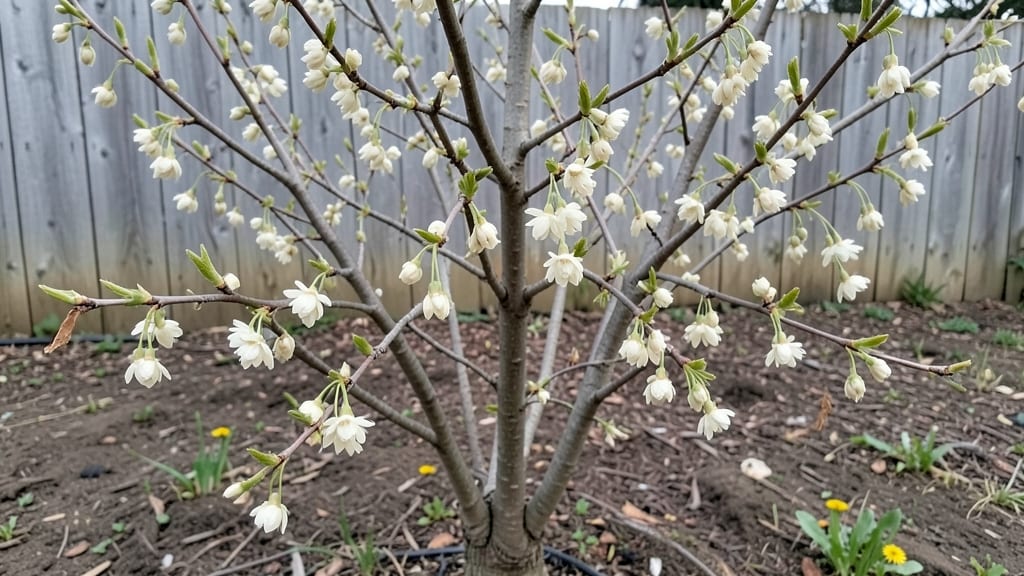
Light pink flowering trees turn any garden into a dreamy, romantic retreat—especially when you pick the right varieties for your space. 🌸 I’ve planted three types myself, and each brings a different kind of magic: the delicate lace of Crabapple blooms in early spring, the bold drama of Dogwood in late spring, and the cascading clouds of Cherry Blossom in full spring glory.
The key to making them shine is matching their light needs—most thrive in full sun to partial shade, with Dogwoods tolerating more shade than Crabapples or Cherries.
Plant them where they’ll get at least 6 hours of sunlight daily, and you’ll see those light pink petals pop against dark green foliage or evergreen shrubs for maximum contrast.
Imagine your garden in late April: Dogwoods already bursting with blossoms while Crabapples are still coming into bloom, and Cherry Blossoms just waking up. The scent alone—sweet, almost floral—will have neighbors stopping to ask which tree is yours.
These aren’t just pretty faces; they’re the backbone of a garden that feels like a postcard all season.
For small yards, a single Kousa Dogwood makes a stunning focal point, while larger spaces can handle a Bradford Pear or Weeping Cherry for drama. Pair them with purple-blue blooms like Lavender or Salvia to make the pink stand out even more.
The best part? They keep the show going—some even have fall color or berries for winter interest.
📚 In This Guide
- What you need
- Instructions
- Tips and common mistakes
- Wrapping up and next steps
What you need
- ● Tree Selection: Choose from varieties like Cercis canadensis (Eastern Redbud), Prunus serrulata (Cherry Blossom), or Lagerstroemia (Crape Myrtle) in light pink hues.
- ● Potting Soil: 50 lbs of well-draining, slightly acidic soil mix (pH 6.0–7.0). For containers, use a blend of 60% potting soil and 40% perlite.
- ● Fertilizer: Slow-release balanced fertilizer (10-10-10) or a rose/crabapple-specific formula (follow package rates).
- ● Mulch: 3–4 inches of organic mulch (cedar or pine bark) to retain moisture and suppress weeds.
- ● Watering Can or Hose: A 5-gallon capacity with a gentle spray nozzle for delicate watering.
- ● Pruning Shears: Bypass pruners (for clean cuts) and loppers (for thicker branches).
- ○ Support Stakes (Optional): 3–4 wooden stakes (2–3 ft tall) + soft tree ties for young saplings.
- ● Sunlight: Ensure 6+ hours of direct sunlight daily (adjust for partial shade if native to your region).
- ● Climate Check: Verify your USDA Hardiness Zone (most light pink bloomers thrive in Zones 5–9).
- ● Spacious Spot: Account for mature tree width (e.g., 20–30 ft for Crape Myrtle).
- ● Season Timing: Plant in early spring or fall (avoid extreme heat/cold).
Instructions for planting and caring for light pink flowering trees
Here’s how to establish these showstopping trees for years of vibrant blooms.
🌱 Step 1: Choose the Right Location and Prepare the Soil
Light pink flowering trees thrive in full sun to partial shade, with at least 6 hours of direct sunlight daily for optimal bloom production. Scrutinize your yard for a spot with well-draining soil—these trees despise soggy roots. If your soil is heavy clay, amend it with 2-3 inches of compost mixed into the top 12 inches of soil to improve aeration and fertility.
Dig a hole twice as wide as the tree’s root ball but no deeper. The top of the root ball should sit 1-2 inches above ground level—this prevents waterlogging and encourages strong root establishment. Loosen the sides of the hole with a shovel to remove any compacted soil that could restrict root growth.
🪴 Step 2: Plant the Tree with Proper Spacing and Support
Gently remove the tree from its container and tease the roots outward if they’re circling. Position the tree in the hole so it stands straight, using a level to ensure it’s perfectly upright. Backfill with the native soil, tamping down lightly every 6 inches to eliminate air pockets. Avoid compacting too firmly—roots need room to expand.
For larger varieties, install a stake and tree tie to provide temporary support against wind. Bury the stake 6 inches deep and secure the tree loosely—too tight can girdle the trunk as it grows. Water deeply immediately after planting to settle the soil and eliminate air gaps around the roots. You’ll know it’s done right when water drains evenly without pooling.
☀️ Step 3: Water Deeply and Establish a Mulch Ring
Water the tree once a week for the first month, providing 10-15 gallons depending on the tree’s size. After that, water every 10-14 days unless rainfall provides 1 inch of moisture. Overwatering is the fastest way to suffocate roots—always check the soil 2 inches deep before watering; if it’s damp, wait.
Spread 3 inches of mulch in a 3-foot diameter ring around the base, keeping it 6 inches away from the trunk to prevent rot. Use wood chips or shredded bark—they break down slowly, improving soil structure over time. Replenish mulch annually to maintain its insulating properties and suppress weeds.
✂️ Step 4: Prune for Shape and Health in Late Winter
Light pink flowering trees bloom on new wood, so prune just before buds swell in late winter or early spring. Remove dead, diseased, or crossing branches first—these compete with healthy growth. Thin out 10-20% of the canopy to improve airflow, cutting back to a healthy bud or lateral branch. Avoid heavy pruning; you’ll sacrifice next year’s flowers.
Sterilize your pruners with rubbing alcohol between cuts to prevent spreading disease. Seal larger cuts (over ½ inch) with pruning sealant to protect the tree from pests and infection. You’ll see stronger blooms the following season if you prune strategically—never cut into old wood, as it won’t produce flowers.
🌿 Step 5: Fertilize and Monitor for Pests Annually
Apply a balanced, slow-release fertilizer (10-10-10) in early spring when new growth begins. Sprinkle ½ cup around the drip line, then water deeply to activate the granules. Avoid high-nitrogen fertilizers—they encourage leafy growth at the expense of flowers. Repeat in mid-summer if the tree shows signs of stress, like yellowing leaves or stunted growth.
Inspect the tree monthly for pests like aphids or scale, which thrive on new growth. Blast off infestations with a strong stream of water or treat with neem oil if needed. Healthy trees rarely struggle, but watch for powdery mildew in humid climates—prune for airflow and avoid overhead watering to prevent fungal issues.
Tips & tricks for perfect light pink flowering trees
A few strategic moves will ensure your light pink flowering trees thrive and dazzle for seasons to come.
Location and Light: Those 6 hours of direct sunlight are non-negotiable for vibrant blooms. In Step 1, scout your yard during peak sun hours—trees in the southern half of properties often get overlooked but receive perfect morning sun. If your only options are shadier spots, choose partial shade varieties like Cercis canadensis 'Alba' (white dogwood) which still produces stunning pinkish-white flowers with less sun.
Root Ball Preparation: When loosening the sides of the planting hole in Step 1, go beyond just breaking up compacted soil. Use a garden fork to create vertical channels around the hole's perimeter—this encourages roots to grow outward rather than circling. I've seen trees with root-bound root balls struggle for years because homeowners skipped this crucial step. The wider the root spread, the more stable and vigorous your tree will be.
Watering Wisdom: The first month's once-weekly watering (10-15 gallons) is critical, but timing matters just as much as quantity. Water in the early morning so foliage has all day to dry—this prevents fungal diseases like powdery mildew. After that initial period, check soil moisture at 2 inches deep with your finger: if it's damp, wait. I've had clients overwater by 30% simply because they didn't check—resulting in yellowing leaves and root suffocation.
Pruning Precision: In Step 4, when thinning out 10-20% of the canopy, focus on removing branches that cross or rub against each other. These are prime spots for disease entry and bark damage. I always cut back to a healthy bud facing outward—this creates natural branching patterns that improve airflow. Remember, you're shaping next year's flower display, so every cut should serve that purpose.
Pro Tips for Light Pink Flowering Trees
- A few strategic moves will ensure your light pink flowering trees thrive and dazzle for seasons to come.
- Location and Light: Those 6 hours of direct sunlight are non-negotiable for vibrant blooms.
- Root Ball Preparation: When loosening the sides of the planting hole in Step 1, go beyond just breaking up compacted soil.
Frequently asked questions
Got questions about adding light pink flowering trees to your garden? You’re not alone! Here are some of the most common queries—and their answers—to help you make the best choice for your space.
When is the best time to plant light pink flowering trees?
The ideal time to plant these trees is in early spring or fall, when temperatures are mild and soil is workable. This gives roots time to establish before extreme heat or cold sets in. Avoid planting during frost or peak summer, as stress can hinder growth.
How much sunlight do light pink flowering trees need?
Most light pink flowering trees thrive in full sun (6+ hours of direct light daily), but some varieties tolerate partial shade (3–6 hours of sun). Check your specific tree’s care guide—overly shady spots may reduce blooms. Observe your yard’s sunlight patterns before planting!
How often should I water newly planted light pink flowering trees?
Water deeply 2–3 times per week for the first year to encourage root growth. Once established, most trees need 1–2 inches of water weekly, adjusting for drought or heavy rain. Mulch around the base (but avoid the trunk) to retain moisture and regulate soil temperature.
Are there any low-maintenance light pink flowering trees?
Yes! Consider Crabapple trees (Malus spp.) or Japanese Snowbell (Styrax japonicus)—both offer stunning pink blooms with minimal fuss. These varieties are disease-resistant, drought-tolerant once mature, and require little pruning. Always research your climate’s hardiness zone for the best match!
Why aren’t my light pink flowering trees blooming?
Blooms may be sparse due to improper sunlight, over-fertilizing, or young age (some trees take 3–5 years to flower). Ensure your tree gets enough sun, prune in late winter, and avoid heavy nitrogen fertilizers, which promote foliage over flowers. Patience pays off—healthy trees often rebound!
Wrapping up and next steps
Light pink flowering trees are the perfect way to infuse your garden with soft, dreamy charm while keeping maintenance simple.
Whether you're drawn to the delicate blooms of the Crabapple or the bold statement of Japanese Cherry, these trees thrive in full sun and offer season-long beauty—from spring blossoms to vibrant fall foliage. 🌸
Ready to transform your outdoor space? Start by assessing your garden’s light conditions and soil type, then choose the tree that best fits your vision. Plant with confidence—your future will be as bright as their blossoms!