
Pruning
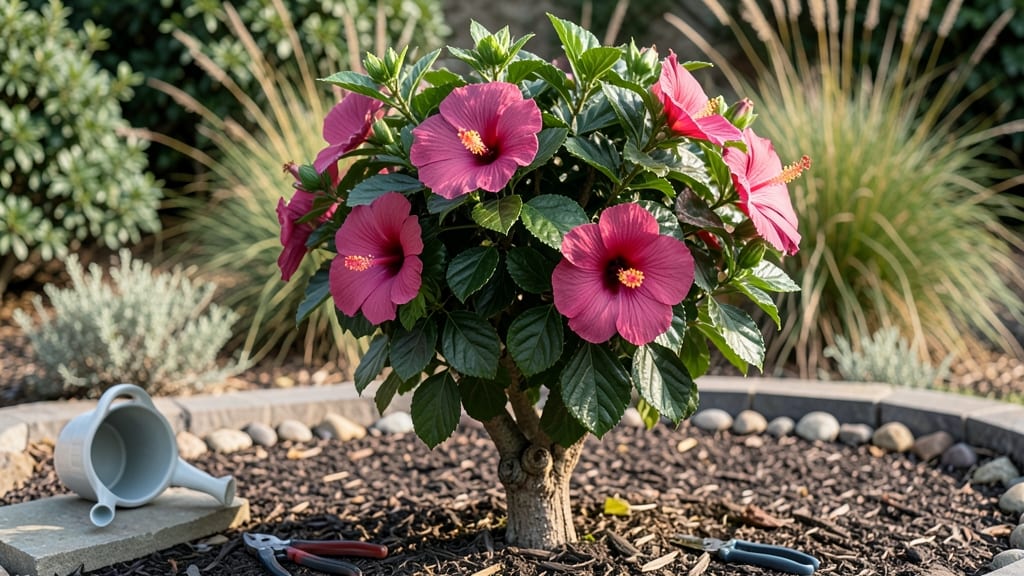
My hibiscus flowering tree turned from a sad, sparse bush into a showstopper covered in blooms after I finally cracked the pruning code. The secret isn't cutting back aggressively—it's strategic cuts that encourage new growth where it matters most.
Most gardeners over-prune, leaving their plants stressed and flowering less, but this method keeps your hibiscus blooming heavily for months.
You'll need sharp pruners, a clean workspace, and a clear understanding of where to cut: right above leaf nodes, at a 45-degree angle, and never more than one-third of the plant at once.
I started with just 3 targeted cuts on my first attempt, and by summer, the blooms were nonstop. The key is timing—prune right after flowering to shape the tree and encourage next season's buds.
What you end up with is a tree that looks like it belongs in a tropical paradise, not your backyard. The blooms stay vibrant longer, the branches stay sturdy, and you avoid the leggy, bare look that kills curb appeal.
Even in cooler climates, the right pruning keeps hibiscus flowering year-round with proper winter protection.
This works for both tropical and hardy hibiscus varieties, whether you're shaping a small patio tree or a towering landscape specimen. Let's get those blooms popping—here's exactly how to do it without killing your plant in the process.
📚 In This Guide
- What you need
- Instructions
- Tips and common mistakes
- Wrapping up and next steps
What you need
- ● Pruning shears: Bypass pruners (sharp, 6–8 inch blades) for clean cuts on small branches.
- ● Loppers: Long-handled (20–24 inch) for thicker branches (½–1½ inch diameter).
- ● Pruning saw: Curved-tooth for branches >1½ inches thick (avoid tearing bark!).
- ● Disinfectant: 70% isopropyl alcohol or bleach solution (1:9 ratio) to sterilize tools between cuts.
- ● Garden gloves: Cut-resistant (e.g., heavy-duty leather) to protect hands from thorns.
- ● Rag or paper towels: For wiping tools and absorbing sap.
- ○ Marking twine or spray paint: Optional, for tagging branches to remove later.
- ● Timing: Prune after flowering (late winter/early spring) or lightly after heavy blooms (summer). Avoid pruning when frost is forecasted!
- ● Weather: Choose a dry, overcast day to prevent stress on the tree.
- ● Safety gear: Safety glasses (if sawing large branches) and closed-toe shoes.
- ● Cleanup supplies: Heavy-duty trash bags or compost bin for debris.
- ● Pruning sealer: Tree wound dressing (controversial but useful for large cuts >½ inch).
- ● Ladder: Sturdy, extendable (8–12 ft) for high branches.
- ● Plant food: Balanced fertilizer (10-10-10) to apply post-pruning for a growth boost.
- ● Camera: Snap before/after pics to track progress!
Instructions for pruning a hibiscus flowering tree
Here’s my go-to pruning schedule that keeps your hibiscus blooming nonstop, with stronger stems and fuller growth.
Prune After the First Heavy Frost
Start by cutting back all stems to about 12–18 inches from the ground. This is the most dramatic step, but it’s crucial—it removes dead or weak growth and forces fresh, vibrant shoots to emerge in spring. Use clean, sharp pruning shears to make cuts just above a leaf node or bud, angled slightly downward to prevent water from pooling.
I always wear gloves for this step—hibiscus thorns are sharp, and the sap can irritate skin. Remove any broken, diseased, or crossing branches first, as these compete with healthy growth. If your hibiscus has leggy stems, trim them back by one-third to encourage bushier growth. This is also the time to shape the tree if you prefer a more compact form.
Light Pruning During Spring Growth
Once new growth appears in early spring, switch to lighter maintenance pruning. Remove any dead or yellowing leaves and trim back any stems that grew too long over winter. The goal here is to redirect energy toward flowering by keeping the tree open and airy. Cut just above a set of healthy leaves or a bud that faces outward.
Watch for new shoots emerging from the base or along branches—they’re your signal that the tree is recovering. If you see weak, spindly growth, pinch it back to encourage thicker stems. Avoid heavy pruning now, as this can delay blooming. A good rule is to never remove more than 20% of the foliage in a single session.
Deadhead Spent Blooms for Continuous Flowers
As flowers fade, snip the spent blooms back to the nearest leaf node or bud. This keeps the tree looking tidy and encourages more blooms to form. I like to do this every 2–3 weeks during peak flowering season. The key is to cut at the right spot—never leave a stub, or it can rot. If you’re growing a tropical hibiscus, this step is especially important to maintain year-round color.
You’ll notice new buds forming within 2–3 weeks of deadheading. If your hibiscus starts producing fewer flowers, it might be getting too much shade or not enough water. Adjust its position or watering routine while keeping up with deadheading. A well-maintained hibiscus can produce hundreds of blooms per season with consistent care.
Late-Summer Pruning for Winter Hardiness
About 6–8 weeks before the first frost, do a final light pruning to remove any weak or overcrowded branches. This helps the tree prepare for winter by reducing stress. Trim back any growth that’s become too leggy or sparse. Again, focus on shaping and thinning rather than heavy cuts. The goal is to leave the tree with a balanced structure that can handle colder temperatures.
After pruning, give the tree a deep watering to help it recover. Mulch around the base with 2–3 inches of organic mulch to insulate roots and retain moisture. If you’re in a colder climate, consider wrapping the trunk with burlap or using a frost cloth for added protection. This step ensures your hibiscus comes back stronger in spring.
Tips & tricks for pruning a hibiscus flowering tree
A few key insights will help you master the art of pruning and keep your hibiscus thriving year after year.
Timing is Everything: The dramatic first pruning after the first heavy frost is non-negotiable. This is when your hibiscus enters dormancy, making it the perfect time to remove up to two-thirds of the plant's growth. I've seen many gardeners hesitate to do such a drastic cut, but trust me—this is what forces those vibrant new shoots to emerge in spring. If you're in a warmer climate where frost isn't a factor, aim for late winter when the plant is still dormant.
Precision Cuts Make All the Difference: When you're cutting back those 12-18 inches in Step 1, pay close attention to where you make your cuts. Always cut just above a leaf node or bud, and angle the cut slightly downward to prevent water from pooling. This simple technique reduces the risk of disease and encourages new growth from exactly where you want it. I've made the mistake of leaving stubs, and it always leads to rot or weak growth—don't make my mistake.
Spring Growth Management: During the lighter pruning in Step 2, focus on creating an open, airy structure. The goal is to redirect the plant's energy toward flowering rather than supporting excessive foliage. When you see those new shoots emerging, pinch back the weak, spindly ones to encourage thicker, stronger stems. Remember the 20% rule—never remove more than one-fifth of the foliage in a single session, or you'll delay that beautiful bloom time.
Deadheading Discipline: The 2-3 week deadheading schedule in Step 3 is where you'll see the most immediate results. When you snip those spent blooms back to the nearest leaf node, you're essentially telling the plant, "I want more flowers here!" The key is consistency—stick to this schedule during peak flowering season, and you'll be rewarded with hundreds of blooms. I've noticed that tropical hibiscus varieties respond particularly well to this regular maintenance, often producing flowers year-round with consistent care.
Pro Tips for Hibiscus Flowering Tree
- A few key insights will help you master the art of pruning and keep your hibiscus thriving year after year.
- Timing is Everything: The dramatic first pruning after the first heavy frost is non-negotiable.
- Precision Cuts Make All the Difference: When you're cutting back those 12-18 inches in Step 1, pay close attention to where you make your cuts.
Frequently asked questions
When is the best time to prune a hibiscus flowering tree?
The ideal time to prune is late winter or early spring, just before new growth begins. This ensures you’re shaping the tree for the upcoming blooming season while avoiding cold stress. For tropical hibiscus varieties, light pruning can also be done after heavy flowering to encourage fresh growth.
Can I prune hibiscus in fall or winter?
Pruning in late fall or winter is risky because it removes protective foliage, leaving the tree vulnerable to cold damage. If you must prune during these months, do so lightly and avoid heavy cuts. Wait until temperatures rise to encourage robust regrowth and blooming.
How much should I trim back my hibiscus tree?
Aim to remove 1/3 of the plant’s height during pruning to promote bushier growth and more flowers. Cut back to just above a leaf node or bud—never leave stubs. For severely overgrown trees, prune in stages over 2–3 years to avoid shocking the plant.
Why isn’t my hibiscus flowering after pruning?
Lack of blooms often stems from over-pruning, poor sunlight, or nutrient deficiencies. Ensure your tree gets 6+ hours of sunlight daily and fertilize with a balanced, bloom-boosting formula (like 10-10-10) in spring. If pruned too late, wait until next season for flowers.
What’s a good alternative if my hibiscus won’t thrive?
If your hibiscus struggles with your climate or care demands, consider these low-maintenance bloomers:
- Bougainvillea: Drought-tolerant, vibrant colors, and easy pruning.
- Plumeria: Fragrant flowers, thrives in heat, and needs minimal shaping.
- Jasmine: Fast-growing, fragrant, and adapts well to pruning.
Wrapping up and next steps
Transforming your hibiscus flowering tree into a year-round blooming beauty is totally within reach—just follow the right pruning techniques! By mastering the when, how, and why of trimming, you’ll encourage lush growth and stunning flowers while keeping your tree healthy and thriving. 🌺✂️
Ready to take action? Start by scheduling your first pruning session this season—whether it’s shaping, deadheading, or seasonal maintenance. Grab your tools, roll up your sleeves, and give your hibiscus the care it deserves. Your future blooms will thank you!