Blooming
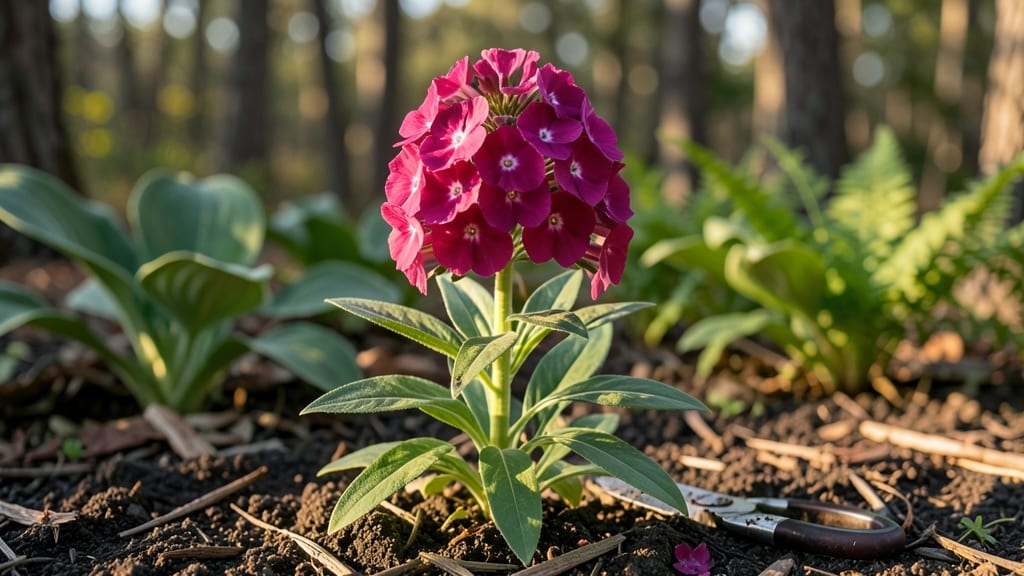
Understanding your phlox flowering time is the key to unlocking months of vibrant 🌸 blooms that make your garden the envy of the neighborhood.
Timing your phlox planting just right ensures vibrant blooms that transform your garden into a fragrant, colorful masterpiece—but getting it wrong can leave you with flops instead of flowers. The secret lies in understanding your USDA zone and when your specific variety typically bursts into color.
In Zone 6a, where many gardeners call home, phlox usually kicks off its show in early to mid-spring, with some varieties stretching their beauty well into summer. But did you know that cooler climates can delay blooms by two to three weeks?
This guide breaks down exactly when to expect those show-stopping blooms, how to adjust for your region, and the simple care tricks that keep your phlox flowering for weeks longer than average.
Phlox flowering time by USDA zone: when to plant for maximum blooms
Phlox is one of those garden stars that rewards precise timing with nonstop color from early summer to fall—but only if you plant at the right moment. The USDA zone you live in dictates when to sow seeds or transplant seedlings for optimal flowering.
In colder zones (3-5), phlox often blooms earlier to escape summer heat, while warmer zones (8-10) enjoy extended fall displays. Understanding these patterns helps you avoid missed blooms or leggy, weak plants.
Most phlox varieties fall into three flowering categories: early-season (May-June), mid-season (June-July), and late-season (July-August). Your zone determines which types thrive best. For example, woodland phlox (Phlox divaricata) loves cooler climates, while garden phlox (Phlox paniculata) stretches its blooms into fall in warmer areas.
Even a single week of misaligned planting can shift your bloom window by weeks.
Spring planting is ideal for most zones, but fall planting extends root establishment before winter. In USDA zones 3-5, aim for late April to early May for spring blooms, while zones 6-10 can plant as late as June and still enjoy summer flowers.
Fall planting in zones 4-7 should happen 6-8 weeks before first frost—typically August to early September—to give roots time to anchor before cold sets in.
Here’s the key: Phlox hates soggy soil and late frosts. If you plant too early in cold zones, seedlings may rot before warming up. Planting too late in hot zones risks bolting (premature flowering) or stunted growth.
The sweet spot is when soil temps hit 50°F (10°C) and stay there for at least a week.
🌸
In USDA zones 3-5, woodland phlox (Phlox divaricata) is your best bet for early blooms, often popping color by late May. These varieties thrive in partial shade and tolerate cooler temps better than sun-loving types.
For longer blooms, pair them with Phlox maculata (wild bergamot phlox), which flowers in June-July and attracts pollinators.
Warmer zones (7-10) can push phlox blooms into late fall with the right varieties. Phlox drummondii (annual phlox) is a showstopper in zones 8-10, flowering from June until frost if deadheaded regularly.
In zone 10, you can even get year-round blooms with staggered plantings of different varieties. The trick? Succession planting every 4-6 weeks to keep flowers coming.
Don’t overlook fall planting—it’s a game-changer for zones 4-7. Planting in late summer gives roots time to establish
How to extend phlox blooming season: pro tips for longer flowering
If you love the sight of phlox blooms lighting up your garden, you’ll want them to last as long as possible. With the right care, you can stretch their flowering season from early summer all the way to fall.
The key lies in understanding their needs and adjusting your gardening routine to keep them thriving.
Phlox naturally blooms for 4-6 weeks, but with smart techniques like deadheading, proper nutrition, and strategic watering, you can double—or even triple—that time. Whether you’re growing perennial phlox or annual varieties, these methods will help you enjoy their vibrant colors for months.
For perennial phlox, focus on late-summer deadheading to encourage a second flush of blooms. Cut back one-third of the stems after the first bloom cycle to promote new growth. Annual phlox, like drummond phlox, benefits from consistent deadheading to keep flowers coming until frost.
Adjust your care routine as the seasons change. In early fall, reduce watering slightly but keep the soil moist. Stop fertilizing by mid-September to allow plants to harden off for winter. For container-grown phlox, ensure pots have drainage holes and use a well-draining potting mix.
With these simple adjustments, your phlox will reward you with longer, healthier blooms and a garden that stays colorful well into autumn. Happy gardening! 🌸