
Pruning
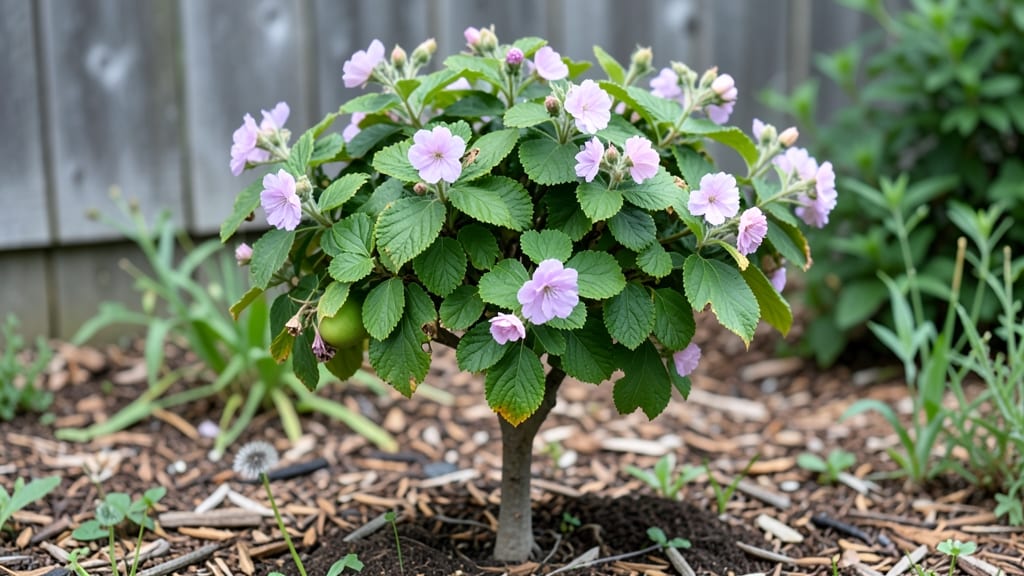
The peppermint peach flowering tree brings fragrant blossoms and sweet fruit to gardens where traditional peaches struggle. I planted mine last spring in Zone 6, and the minty-scented flowers in May were worth every bit of patience—plus, we got a handful of tiny, blushing peaches in August.
This cold-hardy hybrid isn’t just pretty; it’s practical, producing edible fruit even when winters dip below zero.
Start with well-draining soil mixed with compost—these trees hate soggy roots. A sunny spot with at least 6 hours of direct light daily is non-negotiable, and mulching keeps moisture consistent without smothering the roots.
Water deeply once a week during the first growing season, then taper off as roots establish. The real secret? Pruning in late winter to open the canopy—this boosts both flower production and fruit yield.
By summer, you’ll be rewarded with clusters of pinkish-white blooms that smell like crushed mint, followed by small, flavorful peaches. The tree stays compact (12-15 feet tall), making it perfect for small yards or urban gardens.
Just watch for peach leaf curl—spray with copper fungicide in early spring before buds swell. Pair it with lavender or rosemary for a fragrant pollinator magnet.
This tree thrives in Zones 5-9, but even in colder areas, it rebounds beautifully after winter. The best part? You get ornamental beauty, fragrance, and food from one plant. Once established, it needs minimal care—just prune, water occasionally, and enjoy the show. Ready to grow one that does triple duty?
📚 In This Guide
- What you need
- Instructions
- Tips and common mistakes
- Wrapping up and next steps
What you need
- ● Peppermint peach flowering tree (1-2 saplings or mature trees, depending on desired size)
- ● Well-draining soil mix (50% native soil + 50% compost or potting mix for containers)
- ● Garden gloves (1 pair, heavy-duty for pruning)
- ● Pruning shears (1 pair, sharp and sterilized—bypass pruners work best)
- ● Loppers (1 pair, for thicker branches, 20+ inch cutting capacity)
- ● Hand pruners (1 pair, for precision trimming)
- ● Mulch (2-3 inches of organic mulch like wood chips or straw)
- ● Watering can or hose (with adjustable nozzle for gentle watering)
- ● Fertilizer (balanced 10-10-10 or citrus-specific fertilizer, 1-2 lbs per tree)
- ● Support stakes or tree ties (if planting young saplings, 2-3 stakes per tree)
- ● Soil pH tester (to ensure acidic soil, ideal pH 5.5-6.5)
- ● Tree guard or protective wrap (for young trees in harsh winters)
- ● Slow-release fertilizer tablets (for hassle-free nutrient delivery)
- ● Drip irrigation system (for consistent moisture, especially in dry climates)
- ● Bird netting (to protect blooms from pests)
- ● Organic pest control (neem oil or insecticidal soap, as needed)
Step-by-step guide to planting and caring for a peppermint peach flowering tree
This cold-hardy beauty combines peach tree aesthetics with the refreshing aroma of peppermint—here’s how to give it the perfect start.
Select the Right Location for Planting
Choose a sunny spot with at least 6-8 hours of direct sunlight daily. The Peppermint Peach thrives in full sun but tolerates partial shade in hotter climates. Avoid low-lying areas where cold air settles, as this tree can handle Zones 5-9 but prefers protection from late spring frosts.
Test the soil’s drainage by digging a hole and filling it with water. If it drains within an hour, the site is ideal. Poor drainage causes root rot, which is fatal for this hybrid. Amend heavy clay soil with 3-4 inches of compost mixed into the top 12 inches of soil to improve aeration and nutrient retention.
Prepare the Planting Hole and Transplant
Dig a hole twice as wide as the root ball but no deeper. This encourages root expansion outward rather than downward, which stabilizes the tree and improves nutrient uptake. Gently remove the tree from its container and loosen any circling roots with your fingers—never use a knife, as it can damage the delicate root system.
Place the tree in the hole so the top of the root ball sits 1-2 inches above ground level. Backfill with native soil, tamping lightly every 2 inches to eliminate air pockets. Water deeply to settle the soil and eliminate gaps. Mulch with 2-3 inches of organic mulch (like wood chips) in a 3-foot diameter around the base, keeping it 6 inches away from the trunk to prevent rot.
Establish a Watering and Fertilizing Routine
Water the tree deeply 2-3 times per week during the first growing season, providing 1-2 gallons per watering depending on soil type. Let the top 2-3 inches of soil dry out between waterings—overwatering suffocates roots. After the first year, reduce watering to once per week unless rainfall is insufficient, as mature trees are drought-tolerant once established.
Fertilize in early spring with a balanced 10-10-10 fertilizer applied at ½ the recommended rate. Avoid high-nitrogen fertilizers, which promote leafy growth at the expense of flowers and fruit. Spread the fertilizer 6-12 inches away from the trunk and water it in thoroughly. Repeat in midsummer for a second application, but skip fall fertilization to encourage dormancy.
Prune for Shape and Health
Prune in late winter or early spring before new growth begins. Remove any dead, diseased, or crossing branches first—these compete for resources and can harbor pests. Thin out 20-30% of the canopy to improve airflow, which reduces humidity-related fungal issues. Cut back to a healthy bud or lateral branch, making cuts at a 45-degree angle just above an outward-facing bud.
Shape the tree by selectively pruning to open the center, allowing sunlight to reach lower branches. Avoid heavy pruning in summer, as new growth won’t harden off before winter. If you notice suckers (shoots growing from the base), remove them immediately—they divert energy from the main tree. Always sterilize pruning tools with rubbing alcohol between cuts to prevent the spread of disease.
Protect and Maintain for Long-Term Success
In early spring, apply a 2-inch layer of mulch around the base to retain moisture and regulate soil temperature. Refresh the mulch annually, but never let it pile against the trunk. Monitor for common pests like aphids or scale insects—spray with neem oil if you notice sticky residue (honeydew) on leaves or new growth.
This hybrid is generally pest- and disease-resistant, but watch for signs of fire blight (blackened, oozing branches) or peach leaf curl (puckered, curled leaves). If detected early, prune infected branches 6 inches below the damage and sterilize tools. With proper care, your Peppermint Peach will reward you with fragrant blooms and cold-hardy fruit for decades.
Tips & tricks for perfect peppermint peach flowering tree planting
These essential insights will help you avoid common pitfalls and maximize your Peppermint Peach's potential from day one.
Sunlight Optimization: While the 6-8 hours of daily sunlight requirement is crucial, pay special attention to morning sun exposure. The Peppermint Peach benefits most from the gentle warmth of morning sunlight, which helps prevent leaf scorch that can occur with intense afternoon rays. In hotter climates where partial shade is mentioned, prioritize afternoon shade protection while maintaining full morning sun exposure.
Root System Strategy: The instructions emphasize creating a hole twice as wide as the root ball, but here's what nobody tells you—this width requirement applies to the top of the hole, not the sides. The hole should actually be slightly tapered, with the bottom being about 50% of the top width. This creates a natural funnel for water to reach the roots during those critical first waterings.
Watering Precision: For the 2-3 weekly waterings during the first year, use a rain gauge or tuna can to measure exactly 1-2 gallons per watering. The top 2-3 inches of soil drying between waterings is your visual guide, but this measurement varies dramatically with soil type. Sandy soils may need daily checks while clay soils can go 4-5 days between waterings. Always water deeply to encourage deep root growth rather than shallow surface roots.
Fertilizer Timing: The spring and midsummer fertilization schedule is perfect, but here's the secret to getting even better results: apply your first spring fertilization when you see the first 1-2 inches of new growth appear. This timing ensures the tree has enough energy reserves from dormancy to utilize the nutrients effectively. The second application in midsummer should coincide with the peak flowering period to support fruit development.
Pro Tips for Peppermint Peach Flowering Tree
- These essential insights will help you avoid common pitfalls and maximize your Peppermint Peach's potential from day one.
- Sunlight Optimization: While the 6-8 hours of daily sunlight requirement is crucial, pay special attention to morning sun exposure.
- Root System Strategy: The instructions emphasize creating a hole twice as wide as the root ball, but here's what nobody tells you—this width requirement applies to the top of the hole, not the sides.
Frequently asked questions
Got questions about growing your peppermint peach flowering tree? You’re not alone!
Here are answers to the most common queries from gardeners—whether you’re a beginner or a seasoned pro.
What are the best growing zones for a peppermint peach tree?
The peppermint peach flowering tree thrives in USDA Hardiness Zones 5-9, making it one of the most cold-hardy flowering fruit trees available. In colder zones (5-6), plant it in a sheltered spot or use winter protection like mulch or burlap wraps. In hotter zones (8-9), ensure it gets afternoon shade to prevent stress.
How long does it take for a peppermint peach tree to flower and fruit?
Patience is key! Most peppermint peach trees start flowering in 3-5 years after planting, with fruit appearing slightly later (4-6 years). Young trees focus on root and branch growth first. Pro tip: Fertilize lightly in early spring to encourage faster blooming and fruiting.
Do peppermint peach trees need special pruning?
Yes, but don’t worry—it’s simple! Prune in late winter or early spring before new growth starts. Remove dead, crossing, or overcrowded branches to improve airflow. Thin out excess fruit clusters to 6-8 inches apart to ensure larger, sweeter peaches. Warning: Avoid heavy pruning in fall, as it can stimulate late-season growth vulnerable to frost.
Are the peaches from this tree actually edible?
While smaller than commercial peaches (about 1-2 inches wide), they’re juicy, fragrant, and delicious—especially when ripe (yellow with a red blush). The flavor blends peppermint and peach notes, making them perfect for jams, jellies, or fresh snacking. Fun fact: Birds and squirrels love them too, so harvest promptly!
What are some alternatives if I can’t grow a peppermint peach tree?
If your climate or space is limited, consider these cold-hardy, fragrant alternatives:
- Purple Leaf Sand Cherry (Prunus x cistena): Zones 4-8, edible cherries, stunning foliage.
- Flowering Almond (Prunus triloba): Zones 5-9, pink blooms, drought-tolerant.
- Dwarf Peach Trees (e.g., ‘Bonanza’): Zones 5-9, compact size, classic peach flavor.
What pests or diseases should I watch for?
The biggest threats are peach leaf curl (fungal) and aphids. Prevent leaf curl with dormant-season copper fungicide in late winter. For aphids, spray with water or use neem oil. Pro tip: Keep your tree healthy with balanced fertilizer and proper watering to boost natural pest resistance!
Wrapping up and next steps
Ready to transform your garden with a peppermint peach flowering tree? This cold-hardy hybrid isn’t just stunning—it’s practical, too! With the right pruning techniques, you’ll keep it healthy, blooming, and thriving in zones 5-9 for years to come. 🌸
The key? Consistent care and a little patience. Start by gathering your tools, follow the steps we’ve shared, and soon, you’ll be rewarded with fragrant blossoms and delicious fruit. Now’s the time to act—your tree (and your future harvest) will thank you!
👉 Next step: Mark your calendar for seasonal pruning tasks and enjoy the journey of nurturing this beautiful tree!