
Trees
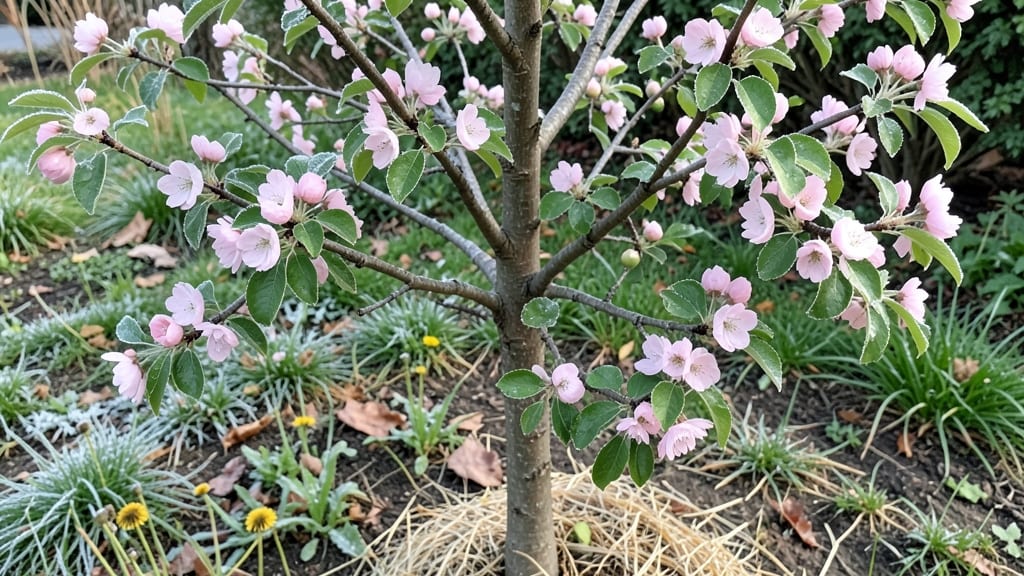
Cold hardy flowering trees are the unsung heroes of any landscape—standing tall through winter storms while delivering breathtaking blooms each spring. ✨ I’ve planted mine in zones where most trees give up, and these varieties never disappoint: crabapples that blush pink in February, serviceberries with white lace flowers, and magnolias that perfume the air before leaves even appear.
The secret isn’t just survival—it’s thriving when others falter.
You’ll need well-draining soil, full sun (or at least 6 hours daily), and patience—these trees establish roots slowly but reward you with decades of color and wildlife support. My serviceberry, for example, now hosts migrating birds and produces berries for jams, all while handling -30°F winters like it’s summer.
The key? Choosing the right species for your zone and giving them space to grow into their full, sturdy forms.
By late spring, you’ll marvel at the way these trees transform from bare branches to canopies of blossoms, often twice in one season. The crabapple’s scent alone makes my neighborhood the envy of the block, and the magnolia’s glossy leaves stay vibrant until frost.
Pruning in late winter keeps them healthy, and a thick layer of mulch protects roots from temperature swings—simple steps that make all the difference.
Whether you’re in the frozen north or a mild coastal climate, these trees adapt—no fuss, no drama. The only mistake I’ve made? Planting too close to the house. Give them room, and they’ll repay you with shade, beauty, and resilience for generations. Ready to pick your perfect tree?
📚 In This Guide
- What you need
- Instructions
- Tips and common mistakes
- Wrapping up and next steps
What you need
- ● Cold-hardy tree saplings: Choose from varieties like Crabapple (Malus spp.), Serviceberry (Amelanchier), or Magnolia (Magnolia stellata). Buy 3–5 plants (depending on space) from a reputable nursery.
- ● Shovel: A 16–20" heavy-duty digging shovel for planting holes (1.5x wider than the root ball).
- ● Garden gloves: Waterproof, reinforced gloves (size medium/large) to protect your hands.
- ● Native soil or compost: 5–10 gallons of high-quality organic compost (or a 50/50 mix of native soil + compost).
- ● Mulch: 3–4 cubic feet of wood chips or shredded bark mulch (3–4" layer around the base).
- ● Watering can or hose: A 5-gallon watering can (for precision) or a soaker hose (for deep watering).
- ○ Tree stakes (optional but recommended): 2–3 bamboo or metal stakes (6–8 ft tall) + soft tree ties to support young trees.
- ● Soil test kit: To check pH and nutrient levels (ideal: 6.0–7.0 for most flowering trees).
- ● Slow-release fertilizer: Balanced 10-10-10 or organic options (1–2 lbs per tree).
- ● Tree guard/wire cage: To protect from deer or small animals.
- ● Pruners: Bypass pruners for shaping (sterilize with rubbing alcohol!).
- ● Weatherproof labels: To track planting dates and varieties.
How to select and plant cold hardy flowering trees for year-round beauty
Here's my go-to method for choosing and planting trees that thrive in cold climates while delivering stunning blooms.
🌱 Step 1: Choose Trees That Match Your Climate Zone
Start by identifying your USDA hardiness zone—this determines which trees will survive winter. For zones 3-5, focus on species like serviceberry (Amelanchier), crabapple (Malus), or magnolia (Magnolia stellata). These varieties handle -30°F to -20°F temperatures and still burst with color in spring.
Check the mature height and spread of each tree—15-25 feet is ideal for most yards. Plant smaller varieties like dwarf Korean lilac (Syringa meyeri) near patios, while larger trees like serviceberry work as specimen plants in open spaces. Always verify the tree's bloom time—early spring bloomers like redbud (Cercis canadensis) offer color when little else is in bloom.
☀️ Step 2: Pick the Right Planting Location
Most cold-hardy flowering trees need full sun (6+ hours daily) for best blooms, but a few like serviceberry tolerate partial shade. Avoid low spots where cold air pools—plant on slightly elevated ground or slopes to prevent frost damage. Test the site in winter to see where ice or snow lingers longest.
Consider your tree's mature size when spacing. Plant smaller trees (10-15 feet tall) 10-15 feet apart, while larger varieties need 20-30 feet of clearance. Check utility lines before digging—many flowering trees grow taller than power lines allow. I always sketch a rough layout to visualize how the tree will fill the space over time.
🪴 Step 3: Plant at the Correct Time and Depth
Fall is the best time to plant in cold climates—trees establish roots before winter without competing with summer heat. Dig a hole twice as wide as the root ball but no deeper. Amend the native soil with 2-3 inches of compost mixed into the bottom of the hole for better drainage and nutrition.
Place the tree so the top of the root ball sits 1-2 inches above ground level—this prevents soil from settling and suffocating the roots. Backfill with native soil (not amended mix) to avoid disrupting the root zone. Water deeply until the soil settles, then add 1-2 inches of mulch (keeping it 6 inches away from the trunk) to retain moisture and regulate temperature.
💧 Step 4: Water and Protect Through the First Winter
Water newly planted trees deeply once a week during the first growing season, providing 10-15 gallons per week depending on tree size. Young trees need consistent moisture to establish roots, but avoid overwatering—soggy soil invites root rot. Check soil moisture by sticking your finger 2 inches down; if it's dry, water again.
In late fall, wrap the trunk of young trees with tree guard or burlap to protect against voles and rabbits, which gnaw bark in winter. For extra cold protection, apply anti-desiccant spray to leaves before the first hard freeze—this prevents moisture loss and keeps foliage healthier through winter. Most cold-hardy trees handle winter well, but young specimens benefit from this extra care.
✂️ Step 5: Prune and Maintain for Long-Term Health
Prune flowering trees in late winter or early spring before buds swell—this encourages strong new growth. Remove dead, diseased, or crossing branches first, then thin the canopy to improve airflow. Never remove more than 25% of the foliage in one season, or you'll stress the tree.
Fertilize lightly in early spring with a balanced, slow-release fertilizer (10-10-10 ratio) to support blooming. Over-fertilizing leads to weak wood and fewer flowers. Monitor for pests like aphids or scale—a strong, healthy tree usually resists them, but a hose blast or neem oil spray handles minor infestations effectively. With proper care, these trees will reward you with decades of vibrant blooms and seasonal interest.
Tips & tricks for perfect cold hardy flowering trees
A few key insights will help you transform your yard into a year-round floral paradise—even in freezing climates.
Climate Zone Intelligence: When selecting trees for your USDA zone 3-5 area, prioritize species with thick bark and layered canopies like serviceberry or crabapple. These features naturally insulate against -30°F to -20°F temperatures. I always check the cold hardiness rating on the plant tag—it's the single most important number for winter survival. Don't overlook native varieties; they've evolved to thrive in your exact conditions.
Location Strategy: That 6+ hours of full sun requirement isn't just about blooms—it's about winter resilience. Trees with adequate sunlight develop stronger wood structure to handle ice loads. If planting near a patio, choose dwarf varieties like Korean lilac—they'll fit the space while still providing seasonal color. Pro tip: Test your site in winter first to identify cold air pockets where ice lingers longest.
Planting Precision: The 1-2 inch elevation of the root ball above ground level is critical—it prevents soil from settling and suffocating roots during freeze-thaw cycles. I've seen many gardeners plant too deep, which creates anaerobic conditions that kill roots. Also, that 2-3 inches of compost in the hole bottom isn't just for nutrition; it improves drainage during spring thaws when roots are most vulnerable.
Winter Protection: For young trees, combine tree guard with anti-desiccant spray before the first hard freeze. This two-step approach prevents both physical damage from animals and moisture loss that weakens the tree. I've noticed trees treated this way bounce back stronger in spring. Remember to keep mulch 6 inches away from the trunk—piling it against the bark creates rot-prone conditions.
Pro Tips for Cold Hardy Flowering Trees
- A few key insights will help you transform your yard into a year-round floral paradise—even in freezing climates.
- Climate Zone Intelligence: When selecting trees for your USDA zone 3-5 area, prioritize species with thick bark and layered canopies like serviceberry or crabapple.
- Location Strategy: That 6+ hours of full sun requirement isn't just about blooms—it's about winter resilience.
Frequently asked questions
Got questions about cold-hardy flowering trees? You're not alone! Here are some of the most common queries—and their straightforward answers—to help you make the best choices for your landscape.
What are the coldest temperatures these trees can handle?
Most cold-hardy flowering trees thrive in USDA Zones 3–6, surviving temperatures as low as -30°F to -40°F (depending on the species). For example, Magnolia stellata (Star Magnolia) handles Zone 4, while Crabapple varieties often reach Zone 3. Always check the specific variety’s hardiness rating before planting!
How do I know if my soil is suitable for cold-hardy trees?
Cold-hardy trees prefer well-draining, slightly acidic to neutral soil (pH 6.0–7.5). Test your soil’s drainage by digging a hole—if water pools after 6 hours, amend with compost or sand. Most of these trees tolerate clay or rocky soil, but avoid waterlogged areas. A simple soil test kit (under $20) can give you clarity!
When is the best time to plant cold-hardy flowering trees?
Plant in early spring or fall (4–6 weeks before frost) for optimal root establishment. Spring planting (after last frost) lets roots grow before summer heat, while fall planting (6–8 weeks before freeze) avoids drought stress. Avoid planting in extreme heat or winter—roots need time to acclimate!
Can I grow cold-hardy trees in containers? Yes—but with limits!
Dwarf varieties like Japanese Maple ‘Bloodgood’ or Serviceberry ‘Dwarf’ thrive in containers (15+ gallon pots). Use fast-draining mix (60% soil, 30% perlite, 10% compost) and move pots to protected areas in winter (e.g., against a south-facing wall). Expect slower growth—repot every 2–3 years and fertilize lightly in spring.
Why aren’t my cold-hardy flowers blooming?
Lack of blooms often stems from poor sunlight (most need 6+ hours/day), over-fertilizing with nitrogen (prioritize phosphorus/potassium for flowers), or stress from transplant shock. Prune dead branches in late winter, ensure consistent watering (1–2 inches/week), and avoid heavy pruning after mid-summer—this can reduce next year’s blooms!
What’s a low-maintenance cold-hardy alternative to roses?
If roses feel high-maintenance, try Viburnum (e.g., Viburnum bodnantense ‘Dawn’) or Weigela (Zone 4–8). Both offer stunning spring blooms, tolerate drought once established, and resist pests. Serviceberry (Amelanchier) is another winner—edible berries + white spring flowers + fall color = year-round interest with minimal fuss!
Wrapping up and next steps
Cold-hardy flowering trees are the perfect blend of beauty and resilience, proving that stunning blooms aren’t just for mild climates! Whether you’re in Zone 3 or beyond, these trees bring color, fragrance, and life to your landscape—without the fuss. 🌸❄️
Ready to transform your yard? Start by researching the best varieties for your zone and planning your planting spot with care. With the right tree, you’ll enjoy years of effortless elegance—nature’s way of saying, "You’ve got this!"