
Shrubs
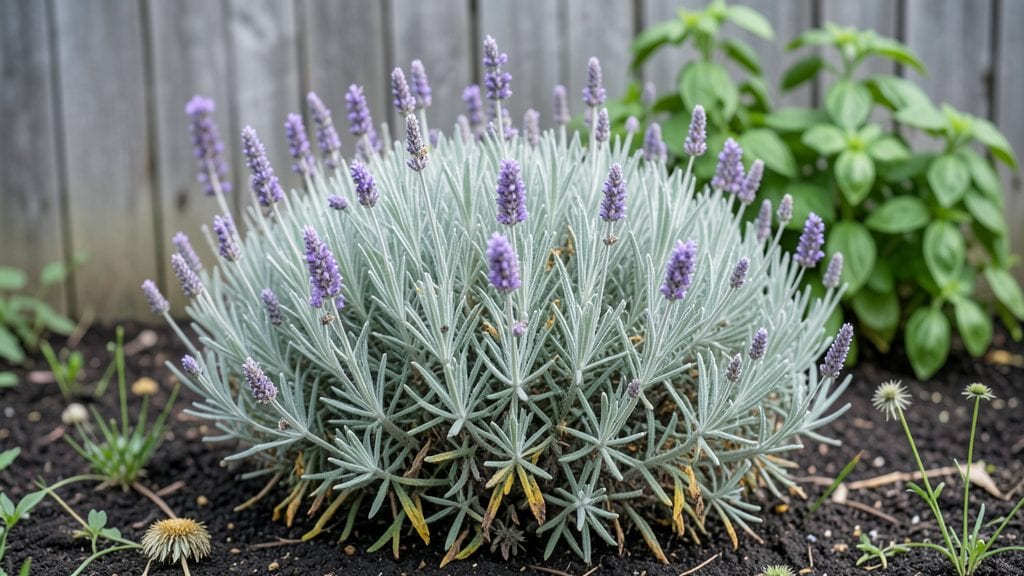
The lavender flowering period is your golden window for fragrance, pollinators, and harvests—typically stretching from late spring through summer.
Did you know lavender’s fragrant blooms don’t last forever—and timing them right can mean the difference between a thriving garden and missed harvests? The lavender flowering period is a critical window for pollinators, fragrance, and even culinary use, yet many gardeners miss its exact timing.
In USDA Zone 6a, English lavender usually bursts into bloom around June, while French varieties like ‘Grosso’ peak slightly later in July. But here’s the catch: climate plays a huge role.
Mediterranean regions like California may see blooms as early as May, while cooler Pacific Northwest gardens might wait until August.
Below, I’ll break down how to spot the perfect bloom, extend your lavender’s season, and avoid common mistakes that kill your harvest—so you never miss another fragrant opportunity.
When does lavender bloom? Exact months by variety & climate Zone
Timing your lavender blooms is everything—whether you're chasing that signature fragrance, attracting pollinators, or harvesting for culinary uses.
The lavender flowering period varies wildly depending on the variety and your USDA climate zone, with some types blooming as early as May and others stretching into September. In my Zone 7 garden, English lavender often peaks in June-July, while Spanish lavender lingers until August.
But regional microclimates—like California’s Mediterranean warmth—can shift these windows by weeks.
Understanding these patterns helps you prune at the right time, harvest for essential oils, or even plan companion plants that thrive alongside lavender’s late-summer blooms.
For example, in Zone 5, hardy varieties like Munstead lavender may wait until July, while Zone 10 gardens in Southern California often see blooms as early as April.
Let’s break down the exact month-by-month timeline for the most popular lavender types and how your local climate affects it.
🌱 Pro Tip: Early bloomers (like French lavender) often need winter protection in colder zones, while late bloomers (like Spanish lavender) thrive with extended summer heat. Your soil drainage and sun exposure can also nudge blooms earlier or later by 2-3 weeks.
In my Zone 7 garden, I’ve noticed that Spanish lavender often outlasts English varieties by 3-4 weeks, making it ideal for late-summer pollinators like monarch butterflies. Meanwhile, French lavender in Zone 9 can bloom as early as April if planted in well-draining soil with full sun.
The key is matching the variety to your local frost dates—for example, Munstead lavender in Zone 5 won’t risk frost damage if you plant it in spring rather than fall.
Regional variations are huge. Take California vs. the Pacific Northwest: In Southern California, lavender often blooms 2 months earlier than in Seattle due to warmer winters and longer growing seasons.
Even within the same zone, microclimates matter—lavender near coastal areas may bloom later due to cooler summers, while inland gardens hit peak bloom weeks ahead.
For instance, my friend in Portland (Zone 8) sees English lavender bloom in late June, while her neighbor 20 miles inland gets blooms by mid-June.
If you’re growing lavender for culinary or essential oil purposes, timing is critical. The highest essential oil content occurs when 20-30% of flowers are open—this usually aligns
How to extend lavender’s flowering season: pruning, watering & deadheading tips
Lavender’s lavender flowering period typically spans 6-8 weeks in summer, but with the right care, you can coax second flushes or even longer blooms. The secret lies in pruning timing, watering discipline, and deadheading techniques that encourage reblooming.
Many gardeners overlook these simple steps, missing out on weeks of fragrant blooms and pollinator visits.
First, understand that English lavender (like 'Munstead') often reblooms with proper care, while Spanish lavender (e.g., 'Grosso') may only bloom once. Your pruning schedule should align with your lavender’s natural growth cycle. Cutting at the wrong time can signal the plant to go dormant instead of producing new buds.
🌿 Key Takeaway: Extend Lavender Blooms
| Action | Best Time | Frequency |
|---|---|---|
| Deadhead spent blooms | After first flush (June-July) | Every 2-3 weeks |
| Light pruning for shape | Early spring (March-April) | Annually |
| Hard prune for rebloom | Late summer (August-Sept) | Every 2-3 years |
| Water deeply | Early morning (May-Sept) | Every 2-3 weeks |
Start with deadheading—this means snipping off faded flower spikes just above a set of leaves. I do this every 2-3 weeks during the lavender flowering period to prevent seed formation, which redirects the plant’s energy into new buds.
Use clean, sharp pruning shears and avoid crushing stems, as this can invite disease.
For second flushes, time your late-summer pruning carefully. After the first bloom cycle (typically July-August), wait until late August or early September to trim back 1/3 of the plant’s height.
This hard prune encourages new growth that will bloom in early fall, extending your lavender flowering period by 4-6 weeks.
Watering is often the most overlooked factor in lavender care. While lavender is drought-tolerant, it still needs deep watering every 2-3 weeks during the lavender flowering period. I water mine before 10 AM to allow foliage to dry quickly, preventing root rot.
Avoid wetting the flowers themselves, as this can dilute their fragrance and attract pests.
Finally, ensure your lavender has well-draining soil with a slightly alkaline pH (7.0-8.0). Amending heavy soil with sand or gravel and avoiding high-nitrogen fertilizers (which promote leafy growth over flowers) will keep your lavender blooming longer.
With these simple adjustments, you’ll enjoy fragrant lavender blooms from June through September—or even later! 🌸