
Shrubs
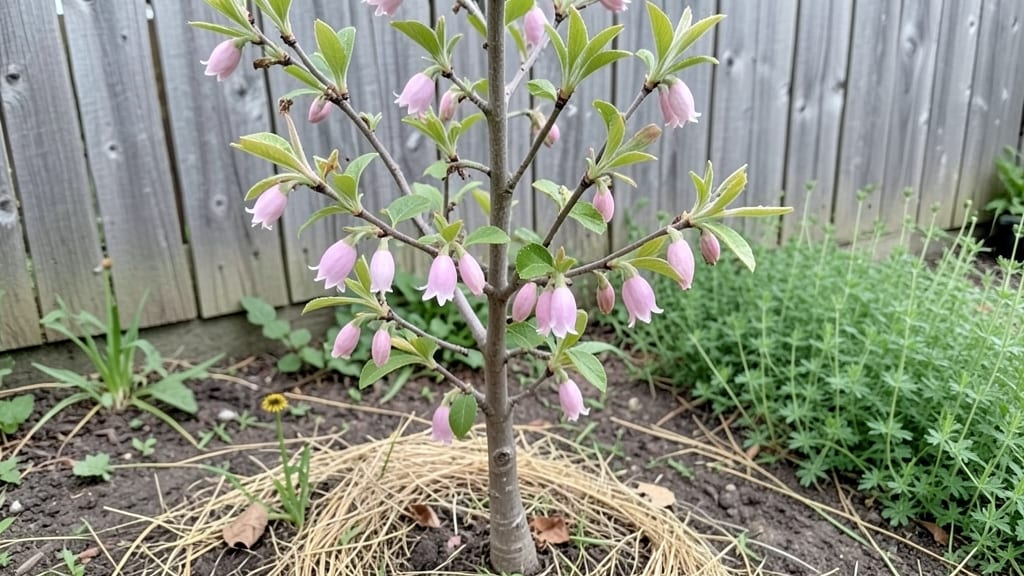
Planting a pink flowering almond bush means spring fragrance and delicate blooms that turn heads in any yard. 🌸 I’ve grown these for years, and they’re the star of my garden—low-maintenance yet impossibly elegant.
The key is matching their love of sun and well-drained soil to your space, or they’ll sulk with sparse blooms.
You’ll need a spot with full sun (at least 6 hours daily) and soil that drains fast—these bushes hate soggy roots. Most garden centers sell them as bare-root plants in early spring, but container-grown bushes work too.
Just dig a hole twice as wide as the root ball and plant at the same depth.
By late spring, you’ll be rewarded with clusters of soft pink flowers that smell like almond candy. The foliage turns golden in fall, and even the branches add winter interest. Prune right after blooming to keep the shape tidy, and you’ll have years of effortless beauty.
Works in zones 4-8, from city patios to rural landscapes. Here’s how to keep yours thriving all season long.
📚 In This Guide
- What you need
- Instructions
- Tips and common mistakes
- Wrapping up and next steps
What you need
- ● Pink flowering almond bush: 1 young sapling (3–5 feet tall, nursery-grown) or
- ● Seeds (from fresh pits—soak overnight for best germination) or
- ● Rooted cuttings (6–12 inches long, taken in late winter)
- ● Well-draining soil: 50% native soil + 50% compost or potting mix (avoid heavy clay).
- ● Sunlight: Full sun (6+ hours daily) or partial shade (morning sun, afternoon shade).
- ● Watering can or hose: 1–2 gallons per watering (adjust for climate).
- ● Mulch: 2–3 inches of organic mulch (wood chips, straw, or bark) to retain moisture.
- ● Garden trowel or shovel (for planting).
- ● Pruning shears (sterilized, for shaping and maintenance).
- ● Gloves (to protect hands from thorns).
- ○ pH test kit (optional but helpful—ideal pH: 6.0–7.0).
- ● Fertilizer: Balanced 10-10-10 fertilizer (spring/fall) or
- ● Slow-release organic granules (e.g., bone meal for nitrogen).
- ○ Support stake (optional): 4–6 ft bamboo or metal stake (for young plants in windy areas).
- ● 🌡️ Climate note: Hardy in USDA zones 4–8; protect from late frosts if in colder regions.
- ● ✨ Soil tip: Amend heavy soil with perlite or sand to prevent root rot.
- ● 🎯 Location: Plant 10–15 feet from structures to avoid root competition.
Step-by-Step instructions for planting and caring for pink flowering almond bushes
Here's how to establish fragrant pink blooms that'll transform your garden every spring.
🌱 Step 1: Choose the Perfect Planting Location
Pink flowering almond bushes thrive in full sun, so pick a spot that gets at least 6-8 hours of direct sunlight daily. I always check the sun exposure by observing the area for a full week before planting—morning sun with afternoon shade works best in hot climates. The soil should drain well since these bushes hate soggy roots.
Dig a hole twice as wide as the root ball but only as deep. This encourages roots to spread horizontally rather than settling too low, which can cause stress. Loosen the sides of the hole with your hands or a trowel to prevent compacting the native soil when you plant.
🪴 Step 2: Plant with Proper Spacing and Soil Prep
Space each bush 10-15 feet apart to allow for mature growth and airflow. I often plant mine in clusters of three for a dramatic spring display, but keep them at least 8 feet from other trees or structures to prevent root competition.
Mix the removed soil with 2-3 inches of compost to improve drainage and fertility. Pink flowering almonds prefer slightly alkaline soil, so if your soil tests acidic, add a handful of crushed limestone to the planting hole. Place the bush in the hole so the top of the root ball sits 1 inch above soil level—this prevents water from pooling around the stem.
💧 Step 3: Water Deeply and Mulch for Retention
Water the bush deeply right after planting to settle the soil around the roots. You'll know it's enough when water drains freely from the bottom of the hole. After that, water once a week for the first month, giving it 1-2 gallons per week unless rain provides it. Overwatering is the biggest mistake—these bushes are drought-tolerant once established.
Spread 2-3 inches of mulch around the base, keeping it 3 inches away from the trunk. I use wood chips because they break down slowly and improve soil structure over time. Mulch helps retain moisture, regulates soil temperature, and reduces weeds—just remember to replenish it every spring.
☀️ Step 4: Prune for Shape and Bloom Health
Prune in late winter or early spring before new growth begins. Remove any dead, diseased, or crossing branches first—this improves airflow and prevents fungal issues. Then, shape the bush by cutting back any overly long branches by one-third to encourage bushier growth.
Never prune after summer blooms appear, as this removes next year's flowers. If you see suckers growing from the base, remove them immediately—they drain energy from the main plant. You'll see stronger blooms and healthier growth within a season if you keep this schedule.
⏰ Step 5: Fertilize and Winterize for Long-Term Health
Apply a balanced 10-10-10 fertilizer in early spring just as new leaves emerge. Sprinkle it 6 inches away from the trunk and water it in well. I avoid fertilizing in late summer or fall—it encourages tender new growth that won't survive winter.
For winter care, wrap young bushes in burlap if your zone gets below 10°F. Mature bushes handle cold well, but a thick layer of mulch (up to 4 inches) protects roots from freeze-thaw cycles. You'll notice fewer dead branches in spring if you winterize properly.
Tips & tricks for perfect pink flowering almond bushes
These little details make all the difference between a bush that thrives and one that struggles—trust me, I've seen both!
Sunlight Secret: The 6-8 hours of direct sunlight in Step 1 is non-negotiable, but here's what nobody tells you—morning sun (before 10 AM) is more important than afternoon sun. If you're in a hot climate, prioritize that morning exposure first. I've planted bushes in spots with afternoon shade that still flourished because they got their critical morning light.
Soil Test Tip: Before planting, grab a simple soil test kit from your garden center—it costs pennies and saves you from guessing. Pink flowering almonds prefer slightly alkaline soil (pH 6.5-7.5), so if your test shows acidity, add crushed limestone to the planting hole. I've seen bushes fail in acidic soil even when all other conditions were perfect.
Watering Wisdom: That once-a-week watering in Step 3 is a guideline, not a rule. Check the soil first—stick your finger 2 inches down. If it's dry, water; if it's still moist, wait. Overwatering is the #1 killer of these bushes, especially in containers. I've had clients drown their bushes because they followed the schedule religiously without checking moisture levels.
Pruning Precision: When you're cutting back branches by one-third in Step 4, make your cuts just above a leaf node or bud. This encourages new growth in the right direction. I always prune on a dry day—wet tools can spread diseases between cuts. And never remove more than 25% of the foliage in one session, even if the bush looks unruly.
Pro Tips for Pink Flowering Almond Bush
- These little details make all the difference between a bush that thrives and one that struggles—trust me, I've seen both!
- Sunlight Secret: The 6-8 hours of direct sunlight in Step 1 is non-negotiable, but here's what nobody tells you—morning sun (before 10 AM) is more important than afternoon sun.
- Soil Test Tip: Before planting, grab a simple soil test kit from your garden center—it costs pennies and saves you from guessing.
Frequently asked questions
When is the best time to plant a pink flowering almond bush?
The ideal time to plant is in early spring or fall, when temperatures are mild (50–70°F). Avoid extreme heat or frost, as young roots are delicate. If planting in containers, spring is best to ensure strong root establishment before summer.
How often should I water my pink flowering almond bush?
Water deeply once a week during the first year to encourage root growth. Mature bushes (2+ years old) tolerate drought but thrive with 1–2 inches of water weekly. Overwatering can lead to root rot, so ensure well-draining soil.
When and how should I prune for more flowers?
Prune right after blooming (late spring) to shape the bush and encourage new growth. Remove dead or crossing branches first, then trim back by ⅓ to maintain an open center. Avoid heavy pruning in fall—it reduces winter hardiness.
Are pink flowering almond bushes toxic to pets or humans?
Yes! All parts of the plant—leaves, seeds, and bark—contain cyanogenic glycosides, which can be toxic if ingested in large quantities. Keep pets and children away from chewing stems or seeds. Symptoms of ingestion include vomiting or lethargy; contact a vet if exposed.
What can I do if my bush isn’t blooming?
Lack of blooms often stems from over-fertilizing (too much nitrogen), poor sunlight (6+ hours of direct sun daily), or improper pruning. Try balanced fertilizer (10-10-10) in early spring and ensure it’s in a sunny spot. Older bushes may need rejuvenation pruning.
How cold-hardy is this shrub, and does it need winter care?
Most varieties tolerate USDA Zones 7–10. In colder zones (Zone 6 or below), mulch the base with 3–4 inches of organic mulch in late fall to insulate roots. Young plants benefit from a burlap wrap during harsh winters.
Wrapping up and next steps
Growing a pink flowering almond bush is a rewarding journey that brings vibrant color and fragrant charm to your garden. With the right care—sunlight, well-draining soil, and patience—you’ll enjoy stunning spring blooms and lush foliage for years to come. Now’s the perfect time to plant or nurture yours!
🌱 Next steps:
- Start with healthy nursery stock or seeds (if experimenting!).
- Monitor soil moisture and prune regularly for optimal growth.
- Share your progress with fellow gardeners—inspiration spreads!
Your fragrant oasis awaits—happy gardening! 🌸