
Shrubs
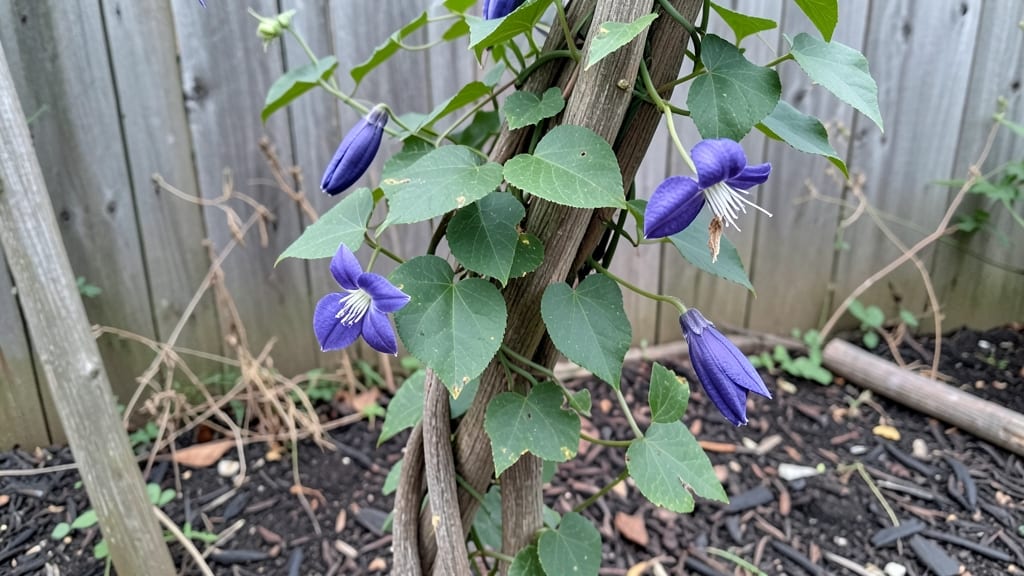
Transforming your yard into a fragrant, evergreen privacy screen starts with the right flowering vines. 🌿 I’ve tested varieties like star jasmine and climbing roses, and they don’t just look stunning—they stay lush all year while filling the air with sweet scents.
The secret lies in their dual nature: evergreen foliage for structure and seasonal blooms that keep interest high.
These vines thrive on trellises, fences, or even arbors, growing 10-20 feet in a single season with minimal fuss. Star jasmine, for example, blooms in spring with fragrant white flowers, while climbing roses add bold color from summer through fall.
The key is choosing a vine that matches your climate and sunlight—most prefer full sun but tolerate partial shade.
With the right support and pruning, you’ll create a living screen that’s both functional and beautiful. Imagine walking through a fragrant tunnel of blooms in spring, then enjoying the glossy evergreen leaves as a backdrop year-round.
The best part? They suppress weeds, reduce noise, and add value to your outdoor space.
Works for urban yards, rural borders, or even balcony gardens with dwarf varieties. Let’s pick the perfect vine for your space and keep it thriving for decades.
📚 In This Guide
- What you need
- Instructions
- Tips and common mistakes
- Wrapping up and next steps
What you need
- ● Evergreen flowering vine plants: Choose from varieties like Clematis armandii, Jasminum nudiflorum, or Bignonia capreolata. Buy 3–5 mature plants (or 10–20 seeds if starting from scratch).
- ● Potting mix or garden soil: A well-draining blend with peat moss, perlite, and compost (or 50% native soil + 50% organic matter for in-ground planting).
- ● Organic fertilizer: Slow-release 10-10-10 or 5-5-5 NPK (1–2 lbs per plant).
- ● Mulch: 2–3 inches of shredded bark or wood chips to retain moisture.
- ● Garden trowel or spade (for planting).
- ● Pruning shears (sterilized with rubbing alcohol).
- ● Gloves (to protect hands from thorns or soil).
- ● Watering can or hose with a gentle nozzle (avoid over-saturating roots).
- ○ Trellis or arbor: 6–10 ft tall, with 1.5-inch spacing for vine support (optional but recommended).
- ● Epsom salt (1 tbsp/month for magnesium-rich blooms).
- ● Copper tape (to deter slugs/snails).
- ● Drip irrigation system (for consistent moisture).
- ● Landscape fabric (to suppress weeds under vines).
Step-by-step guide to planting evergreen flowering vines
Here's how to establish fragrant, evergreen vines that thrive year-round and create natural privacy.
🌱 Step 1: Choose the Right Vine Variety for Your Climate
Start by selecting vines suited to your USDA hardiness zone—this ensures they stay evergreen through winter. For zones 6-9, star jasmine (Trachelospermum jasminoides) or English ivy (Hedera helix) are excellent choices. In zones 10-11, jasmine (Jasminum officinale) or coral honeysuckle (Lonicera sempervirens) thrive year-round.
Check the mature height and spread of your chosen vine—some varieties grow 10-15 feet tall while others stay compact. Plant at least 4 vines per trellis or fence to ensure full coverage. I always verify the vine’s light needs—most evergreen flowering vines prefer partial shade to full sun, but some like ivy tolerate deep shade.
🪴 Step 2: Prepare the Planting Site and Install Support Structures
Pick a location with well-draining soil—evergreen vines hate soggy roots. Amend heavy clay soil with 2-3 inches of compost mixed into the top 12 inches of soil. If planting near a fence or trellis, install metal or wooden support structures before planting to avoid damaging roots later.
Dig holes twice as wide as the root ball but only as deep as the container. Space multiple vines 6-12 inches apart, depending on their mature spread. I like to bury a 4-foot wooden stake next to each hole to secure the vine as it grows. Water the hole deeply before planting to settle the soil.
☀️ Step 3: Plant and Stake for Strong Growth
Remove the vine from its container and loosen the roots if they’re circling. Place it in the hole so the top of the root ball sits 1 inch below soil level—this prevents stem rot from settling soil too high. Backfill with native soil mixed with 1 cup of slow-release fertilizer to encourage root development.
Water deeply until moisture reaches 6 inches down, then firm the soil gently around the base. Attach the vine to the support stake using soft plant ties or jute twine, securing it loosely enough to allow growth. Mulch with 2-3 inches of shredded bark to retain moisture and regulate soil temperature.
💧 Step 4: Water and Fertilize for Year-Round Health
Keep the soil evenly moist but not soggy for the first 4-6 weeks—this helps roots establish. After that, water 1-2 times per week, depending on rainfall, ensuring 1 inch of water per week reaches the root zone. Evergreen vines are drought-tolerant once established, but consistent moisture in the first year is critical.
Fertilize twice a year: once in early spring with a balanced 10-10-10 fertilizer and again in early fall with a low-nitrogen, high-phosphorus blend to encourage blooming. I avoid high-nitrogen fertilizers—they promote leafy growth at the expense of flowers. Prune lightly after flowering to shape the vine and remove dead growth.
✂️ Step 5: Prune and Train for Full Coverage
Prune in late winter or early spring before new growth begins. Remove dead, diseased, or crossing branches first, then trim back overgrown sections to 1/3 of their length. This encourages bushier growth and more abundant blooms. For trellises, train the vine by tying new shoots to the support structure every 4-6 weeks during the growing season.
Watch for leggy growth—a sign the vine needs more light or pruning. If flowers appear sparse, reduce nitrogen and increase phosphorus in your fertilizer. With proper care, your evergreen vine will flower year-round in mild climates and provide privacy, fragrance, and beauty without losing its leaves in winter.
Tips & tricks for perfect evergreen flowering vines
Here's what I've learned after years of growing fragrant evergreen vines that stay lush and beautiful all year.
Climate Matching: Don't just pick any vine—match your variety to your USDA zone. Star jasmine thrives in zones 6-9 while coral honeysuckle needs the warmth of zones 10-11. I once planted star jasmine in zone 11 and it struggled through our hot summers—learn from my mistake! Check your local nursery for zone-specific recommendations.
Soil Preparation: The 2-3 inches of compost mixed into the top 12 inches of soil is non-negotiable for well-draining conditions. If your soil is heavy clay, consider adding perlite or sand to improve drainage. I test my soil's drainage by digging a hole, filling it with water, and timing how long it takes to drain—if it's more than 4 hours, your soil needs amending.
Pruning Strategy: When you trim back overgrown sections to 1/3 of their length in Step 5, focus on cutting just above a leaf node or bud. This encourages new growth in exactly the right places. I always prune on a dry day to prevent fungal infections—wet tools and leaves create the perfect breeding ground for plant diseases.
Fertilizer Timing: That early spring 10-10-10 feeding is crucial for establishing roots, but don't overdo it. Too much nitrogen early on will give you leafy growth at the expense of those fragrant flowers we're all after. I use a soil test kit to check nitrogen levels before fertilizing—if it's already high, I skip the spring feeding and go straight to the fall phosphorus boost.
Pro Tips for Evergreen Flowering Vines
- Here's what I've learned after years of growing fragrant evergreen vines that stay lush and beautiful all year.
- Climate Matching: Don't just pick any vine—match your variety to your USDA zone.
- Soil Preparation: The 2-3 inches of compost mixed into the top 12 inches of soil is non-negotiable for well-draining conditions.
Frequently asked questions
Got questions about evergreen flowering vines?
You’re not alone! Below, we tackle the most common concerns—from planting tips to troubleshooting—to help you grow a lush, fragrant privacy screen with ease.
How fast do evergreen flowering vines grow, and when will I see blooms?
Most evergreen flowering vines grow moderately fast, adding 12–24 inches per year under ideal conditions (full sun to partial shade, well-draining soil). You’ll typically see blooms within the first 1–3 years, depending on the variety. Clematis and Honeysuckle often flower sooner, while Jasmine may take a little longer but rewards you with intoxicating fragrance.
Can I plant evergreen flowering vines in fall or winter?
Yes! Fall planting (4–6 weeks before your first frost) is ideal—vines establish roots before winter and burst into growth in spring. Avoid planting in deep freeze (below 20°F/-7°C) or waterlogged soil. If winter planting is unavoidable, use mulch (3–4 inches) to insulate roots and water sparingly to prevent heaving.
How do I protect evergreen flowering vines in extreme heat or cold?
Vines thrive in USDA Zones 7–10, but extremes need extra care:
- Heat: Provide afternoon shade and mulch to retain moisture. Water deeply early in the morning (1–1.5 inches weekly).
- Cold: Wrap young vines in burlap or frost cloth. Prune dead growth in early spring, but avoid heavy pruning until after blooming.
What’s the best alternative if my vine isn’t flowering?
If your vine is leafy but no blooms appear, check these fixes:
- Sunlight: Most flowering vines need 6+ hours of sun (except shade-tolerant types like Star Jasmine).
- Pruning: Over-pruning can reduce flowers. Prune after blooming (for spring flowers) or in late winter (for summer bloomers).
- Fertilizer: Use a balanced, low-nitrogen fertilizer (e.g., 10-10-10) in early spring.
Are evergreen flowering vines prone to pests or diseases?
Most are low-maintenance, but watch for:
- Pests: Aphids (spray with soapy water) or Spider mites (introduce ladybugs or neem oil).
- Diseases: Powdery mildew (improve airflow; avoid overhead watering). Root rot (ensure well-draining soil).
Wrapping up and next steps
Transforming your outdoor space with evergreen flowering vines is a rewarding way to enjoy year-round privacy and beauty—without sacrificing fragrance or charm! 🌿 Whether you’re wrapping a trellis, climbing an arbor, or softening a fence, these resilient plants bring color, texture, and serenity to any garden.
The key? Start small, choose wisely, and let nature do the rest.
Ready to take the next step? Pick your favorite vine, gather your tools, and begin planting—your future garden oasis is waiting! 🌸 For extra inspiration, browse local nurseries or join gardening forums to share your progress with fellow enthusiasts.