Tools
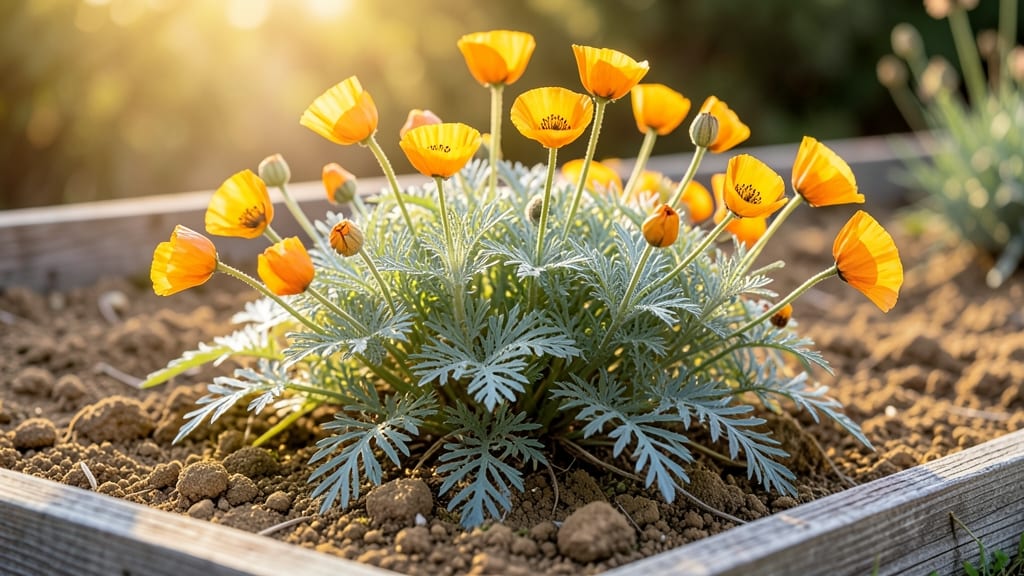
Creating a Pasadena flower garden that blooms year-round with drought-tolerant plants is absolutely doable—even in our hot, dry summers. ✨ I’ve designed gardens here that stay lush without extra water, using native plants that thrive in our Mediterranean climate.
The key is choosing the right flowers and arranging them to maximize color while minimizing maintenance.
Start with drought-resistant stars like California poppies, lavender, and ceanothus, which love our sun and soil. Mix in succulents and ornamental grasses for texture, and layer them with perennials that bloom in different seasons.
Most Pasadena gardens need well-draining soil—amend with compost if yours is heavy clay—and mulch to keep moisture in. Local nurseries like Pasadena Native Plant Society can help pick the perfect palette for your space.
By the end of the first year, you’ll have a garden that stays vibrant even in summer heat, with minimal watering. Imagine wisteria vines spilling over trellises in spring, salvias bursting with color in fall, and lavender keeping bees buzzing all season.
The best part? Once established, these plants handle our dry spells like pros.
For extra inspiration, check out the Pasadena Flower & Garden Show each spring—it’s packed with local design ideas. Whether you’ve got a small courtyard or a sprawling backyard, this approach works for any size garden in our region.
📚 In This Guide
- What you need
- Instructions
- Tips and common mistakes
- Wrapping up and next steps
What you need
- ● Drought-tolerant plants: 10–20 native or adapted species (e.g., California poppies, lavender, succulents, or ceanothus). Pro tip: Check local nurseries for Pasadena-friendly varieties!
- ● High-quality soil: 1–2 cubic yards of well-draining, native soil mix (amend with compost for nutrients).
- ● Mulch: 2–3 bags of organic mulch (e.g., wood chips or straw) to retain moisture.
- ● Drip irrigation system: 50–100 feet of tubing + emitters (or a soaker hose for smaller gardens).
- ● Hand trowel (for precision planting)
- ● Garden fork (for aerating soil)
- ● Pruners (sharp, sterilized)
- ● Wheelbarrow (for hauling soil/mulch)
- ● Garden gloves (durable, breathable)
- ● Watering can or hose (for initial watering)
- ● Garden kneeler/pad (for comfort)
- ● Soil pH test kit (to optimize plant health)
- ● Decorative stones or gravel (for pathways or borders)
- ● Bird feeders or pollinator-friendly plants (to attract wildlife)
How to design a Pasadena-style flower garden that thrives year-round
Pasadena’s Mediterranean climate demands beauty that’s both bold and drought-smart—here’s how to create a garden that blooms effortlessly.
🌱 Step 1: Plan for Seasonal Layers and Microclimates
Pasadena’s mild winters and hot summers mean you’ll need plants that transition seamlessly. Start by mapping your garden into zones based on sun exposure—some areas will get 6+ hours of direct sun, while others may only see 3-4 hours. I always designate a sun-loving core (for succulents and lavender) surrounded by partial-shade layers (for ornamental grasses and salvias). This creates depth and ensures year-round interest.
Sketch your layout on graph paper, marking where you’ll place drought-tolerant perennials (like California poppies) alongside evergreen shrubs (such as toyon or ceanothus) to anchor the design. Pasadena’s coastal influence means morning fog can linger—position moisture-loving plants like fuchsias in these cooler microclimates. Use the 3-foot rule: group plants with similar water needs to simplify irrigation.
☀️ Step 2: Select Native and Adapted Plants for Low-Maintenance Beauty
Pasadena’s soil and climate reward plants that evolved here. I swear by California native perennials like clematis (for vertical drama) and yarrow (for golden summer blooms), paired with Mediterranean imports like rosemary and santolina that thrive in heat. These plants demand minimal water once established—just 1 inch per week during dry spells—and they’ll reward you with fragrant blooms and silvery foliage that shines in the sun.
For color, mix spring ephemerals (like lupines) with summer-long bloomers (like penstemon) and fall/winter interest (like manzanita or dwarf palm). Avoid anything that requires daily watering—Pasadena’s water restrictions make that a non-starter. I always include one dramatic focal point, like a red-hot poker (kniphofia) or orange tree, to draw the eye and create visual impact.
💧 Step 3: Install a Drip Irrigation System for Precision Watering
Pasadena’s clay-heavy soil drains poorly, so drip irrigation is non-negotiable. Use 1/4-inch tubing and emitters spaced 12-18 inches apart to deliver water slowly and directly to roots. I bury the lines 2-3 inches deep to protect them from heat and UV damage, then mulch heavily with 3-4 inches of wood chips to lock in moisture. This setup ensures 90% less water waste than overhead sprinklers and keeps foliage dry, reducing fungal diseases.
Set your controller to water deeply 2-3 times per week (not daily shallow sessions). You’ll know it’s working when the soil feels moist 3 inches down but not soggy. For new plants, water every other day for the first 2 weeks to help roots establish—after that, taper to the standard schedule. Avoid wetting leaves, especially in the afternoon, to prevent sun scorch.
✂️ Step 4: Prune Strategically for Continuous Blooms
Pasadena’s long growing season means deadheading spent blooms isn’t optional—it’s how you keep flowers coming. I prune every 2-3 weeks during peak bloom seasons, cutting back to the first set of healthy leaves (not bare stems). For shrubs like ceanothus, I do a light trim in late winter to encourage dense new growth, but I never shear into old wood—that kills the plant. Annuals like zinnia respond well to regular pinching to encourage bushier, fuller plants.
Watch for leggy growth—a sign of too little light or over-fertilizing. If stems stretch toward the sun, move the plant or thin out competing foliage to improve airflow. I always carry pruners and a bucket while working, so I can clean up debris immediately and compost spent blooms (they’ll break down into nutrient-rich mulch).
🪴 Step 5: Mulch and Feed for Long-Term Resilience
Pasadena’s summer heat turns soil into a dust bowl fast, so mulching is your best friend. Spread 3-4 inches of wood chips or straw around plants (keeping it 2 inches away from stems to prevent rot). This retains moisture, regulates soil temperature, and suppresses weeds—three problems solved with one move. Replenish mulch annually in early spring, mixing in a 1-inch layer of compost to feed the soil without overdoing nitrogen (which encourages leafy growth over blooms).
For fertilizer, I use a slow-release, balanced formula (10-10-10) applied once in early spring and again in mid-summer. Over-fertilizing leads to soft, floppy growth that’s prone to pests. Instead, focus on organic amendments like fish emulsion (diluted to half-strength) for a gentle nutrient boost during bloom season. The key is less is more—Pasadena plants thrive on moderation, not excess.
Tips & tricks for Pasadena flower garden design
Creating a stunning Pasadena garden isn't just about planting—it's about strategic planning that turns your space into a year-round masterpiece. These game-changing tips will help you maximize beauty while working with Pasadena's unique climate.
Layering for Year-Round Impact: The secret to continuous color lies in understanding Pasadena's microclimates. In Step 1, when mapping your sun zones, remember that coastal fog creates cooler pockets perfect for moisture-loving plants like fuchsias. I recommend adding a third layer—understory plants like California wild lilac—that thrive in the dappled light beneath your taller shrubs. This creates a lush, multi-dimensional look that keeps interest even when some plants are dormant.
Plant Pairing Strategy: Step 2 emphasizes native plants, but the real magic happens in their combinations. Pair clematis with rosemary for a fragrant vertical display that blooms from spring to fall. The rosemary's silvery foliage contrasts beautifully with clematis' vibrant blooms while requiring the same minimal water. For ground cover, combine yarrow with santolina—both thrive in heat and repel pests naturally. This complementary planting reduces maintenance while creating stunning visual contrasts.
Irrigation Precision: When installing your drip system in Step 3, don't just follow the spacing guidelines—customize for each plant type. Succulents and lavender in full sun need emitters 18 inches apart for deep watering, while ornamental grasses in partial shade can handle 12-inch spacing. I always install a manual valve for each zone so I can adjust watering during Pasadena's unpredictable rain cycles. This targeted approach prevents overwatering while ensuring every plant gets exactly what it needs.
Pruning with Purpose: The pruning schedule in Step 4 is your secret weapon for continuous blooms. For ceanothus, I've found that a second light trim in early fall (just after the first flush of spring blooms) encourages a second, smaller bloom cycle in winter—a rare treat in Pasadena gardens. For annuals like zinnia, pinch back the tips when they reach 6 inches tall to trigger bushier growth. This technique creates fuller plants that bloom for weeks longer than unpinched varieties.
Pro Tips for Pasadena Flower Garden
- Creating a stunning Pasadena garden isn't just about planting—it's about strategic planning that turns your space into a year-round masterpiece.
- Layering for Year-Round Impact: The secret to continuous color lies in understanding Pasadena's microclimates.
- Plant Pairing Strategy: Step 2 emphasizes native plants, but the real magic happens in their combinations.
Frequently asked questions
Got questions about creating or maintaining a stunning Pasadena flower garden? You’re not alone! Here are answers to the most common inquiries—from design tips to drought-friendly hacks.
What are the best drought-tolerant flowers for Pasadena’s climate?
Pasadena’s Mediterranean climate thrives with native or adapted plants like California poppies, lavender, succulents (e.g., sedum), and ice plant. These beauties need minimal water once established and attract pollinators. Pro tip: Group plants with similar water needs to simplify care!
When is the ideal time to plant a flower garden in Pasadena?
For best results, plant in early spring (March–April) or fall (September–October). Avoid summer’s heatwave—it stresses plants. Cool-season bloomers (like pansies) can handle mild winters, while succulents prefer warm soil. Timing = less watering, more blooms!
How often should I water my drought-tolerant garden?
Newly planted flowers need deep watering 2–3 times per week for the first month. After that, once a week (or less in winter) is usually enough. Use drip irrigation or soaker hoses to deliver water directly to roots—this cuts waste and keeps blooms happy.
Can I mix drought-tolerant flowers with other plants?
Pair succulents with rosemary or salvia for a low-maintenance combo. Just ensure all plants share similar light and water needs. For example, sun-loving lavender pairs well with yucca, while shade-tolerant fuchsia complements heuchera. Layer textures for a lush, cohesive look!
What’s the best way to deal with pests in a Pasadena garden?
Prevent pests naturally with neem oil or companion planting (e.g., marigolds repel aphids). For chewers, try pyrethrin-based sprays (organic option). Encourage ladybugs—they’re your garden’s best allies! Most drought-tolerant plants are pest-resistant, but monitor new additions closely.
Pro Tip: Mulch is your secret weapon!
Apply 2–3 inches of mulch (gravel, wood chips, or straw) to retain moisture, suppress weeds, and regulate soil temperature. Bonus: It keeps roots cool in summer and warm in winter—perfect for Pasadena’s microclimates!
Wrapping up and next steps
Transforming your Pasadena garden into a year-round oasis of drought-tolerant beauty is not only achievable—it’s rewarding! By embracing native plants, smart irrigation, and seasonal planning, you’ll create a vibrant space that thrives with minimal effort while supporting local ecosystems. 🌸
Ready to take the next step? Start small—perhaps with a single drought-resistant bed or a native plant swap—and watch your garden flourish with color, resilience, and joy. Grab your tools, get inspired, and let your Pasadena flower garden become the talk of the neighborhood! 🌿