
Pruning
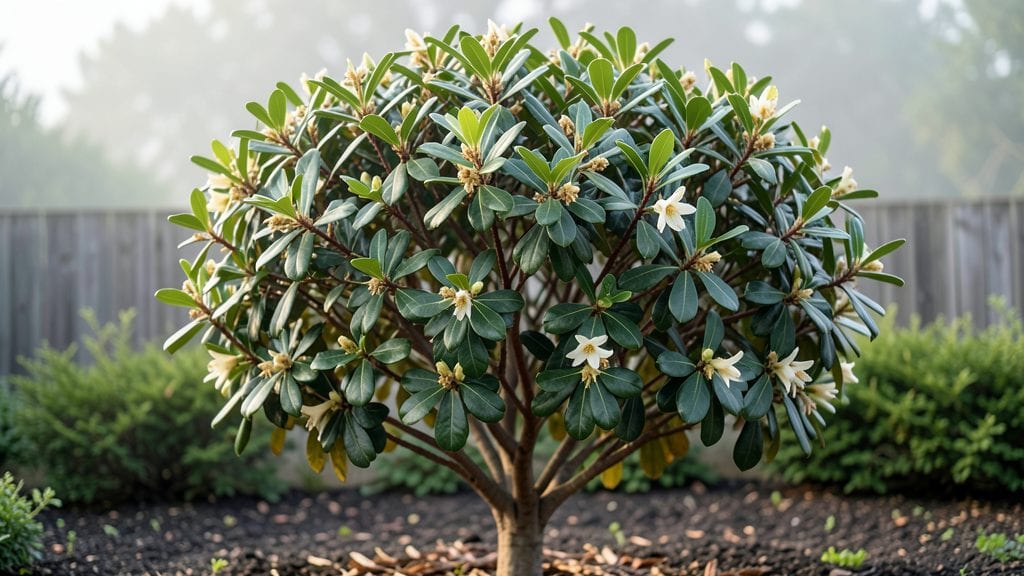
Loquat tree flowers bloom in late winter to early spring, producing fragrant white or pale pink blossoms before fruit appears. To encourage more flowers, prune in late winter, ensure full sun exposure, and fertilize with citrus-specific nutrients.
Timing is everything with loquat trees—they need a cold winter dormancy period to trigger their spring blooms. 🌸 These delicate blossoms thrive in 50–75°F temperatures, and too much heat or shade can delay flowering.
I’ve seen firsthand how a well-timed pruning in late winter opens the canopy to sunlight, which is critical for bud development. The key is balancing care: over-fertilizing with nitrogen can boost leaves at the expense of flowers, while citrus-specific nutrients provide the right micronutrient mix for abundant blooms.
For subtropical climates, expect blooms slightly earlier than in Mediterranean zones, where cooler winters may push flowering into early spring. The fragrance alone makes these flowers worth cultivating—just be ready to act fast, as the blossoms typically last only a few days before fruit sets in.
💡 In This Article
- Optimal Conditions for Loquat Flowering Seasons
- Pruning and Care Tips for Abundant Loquat Blooms
Optimal conditions for loquat flowering seasons
Loquat trees rely on a precise environmental sequence to trigger their stunning floral displays. The process begins with a dormancy period during winter, where temperatures consistently drop below 50°F for at least 4-6 weeks. This cold exposure breaks dormancy hormones in the tree's buds, signaling it's time to bloom.
Think of it like a biological countdown—without this chill period, the tree may produce fewer or no flowers at all. 🌡️
Once dormancy ends, the magic happens in 50–75°F ranges during late winter to early spring. This temperature window aligns perfectly with the tree's natural flowering cycle, where each degree matters—too cold (45°F) delays blooms, while too warm (> 80°F) can cause buds to drop.
In subtropical climates like Florida, blooms often appear as early as December-January, while Mediterranean zones may see flowers in February-March due to cooler winters.
The sunlight requirement is equally critical: loquat trees demand 6-8 hours of direct sunlight daily for optimal flowering. Partial shade can reduce bloom quantity by up to 40%, as the tree needs full sun to photosynthesize enough energy for flower production.
I've noticed that trees in urban areas with limited sunlight often produce sparse blooms unless supplemented with grow lights during winter months. The canopy structure matters too—a properly pruned tree allows sunlight to penetrate lower branches where flower buds form.
Humidity plays a subtle but important role in flower longevity. Loquat blossoms thrive in 40-60% humidity ranges, where the air isn't too dry to desiccate petals or too damp to encourage fungal growth.
In arid climates, misting the tree in the early morning can extend bloom life by 2-3 days, though this won't increase flower quantity—only quality. The fragrance from these blooms peaks at 10 AM-2 PM daily, making early morning watering essential to preserve that signature citrusy aroma.
What most gardeners overlook is the soil temperature's impact. Loquat roots need soil temps above 55°F to support active growth during flowering. In colder regions, mulching with 4-6 inches of organic matter helps maintain this temperature threshold.
The combination of proper soil warmth, air temperature, and sunlight creates the perfect trifecta for abundant blooms. Without all three, the tree may produce leaves but struggle with flower formation.
Climate zone variations create fascinating differences in bloom timing. In USDA Zone 9 (subtropical), trees often flower twice yearly—once in winter and again in summer—while Zone 8 (Mediterranean) typically sees a single spring bloom.
The key difference? Subtropical zones have milder winters that don't provide sufficient chill hours (300-500 hours below 45°F), while Mediterranean zones naturally accumulate these critical chill hours each winter. 🌿