
Light Requirements
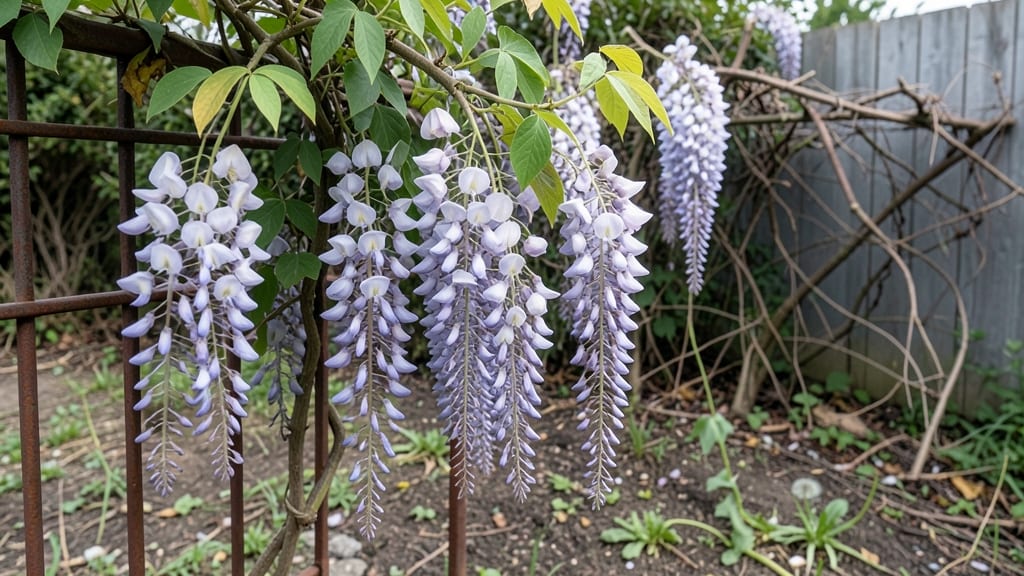
Finding a light purple tree flower that thrives in partial shade has been my holy grail—until I discovered the Crape Myrtle with its delicate, lavender blooms that dance in dappled sunlight.
The key isn't just shade tolerance; it's how these trees transform a garden from ordinary to showstopping, especially when paired with silver foliage or deep green shrubs.
I planted mine last spring, and by summer, the branches were heavy with blossoms that lasted for weeks, even in the afternoon shade of my oak tree.
These shade-friendly beauties don't demand perfect conditions—they just need 4-6 hours of filtered light and well-draining soil. My Crape Myrtle thrives in USDA Zones 7-9, but if you're in cooler climates, consider the Japanese Tree Lilac, which handles partial shade and colder snaps with its fragrant purple blooms.
Both trees offer year-round interest: the exfoliating bark of Crape Myrtle in winter and the glossy leaves of Japanese Tree Lilac that turn golden in fall.
Imagine your garden in late spring when the first light purple blooms appear—soft, airy clusters that catch the light just right. These trees aren't just pretty; they're low-maintenance workhorses that attract hummingbirds and butterflies while keeping your landscape lush and textured.
The secret to their success? Plant them where they can stretch toward the sun but still enjoy afternoon shade, and watch them reward you with months of color that most annuals can't match.
For a cohesive look, pair them with silver-leaved shrubs like Dusty Miller or deep purple foliage like Heuchera. If you're designing a border, space them 15-20 feet apart to let their canopies mingle without crowding.
The best part? These trees grow slowly, so you won't outpace them in a few years—just give them time, and they'll become the quiet stars of your garden.
📚 In This Guide
- What you need
- Instructions
- Tips and common mistakes
- Wrapping up and next steps
What you need
- ● Light purple tree flower plant: Choose a shade-tolerant variety like Cercis canadensis 'Alba' (Eastern Redbud) or Lagerstroemia 'Natchez' (Crape Myrtle). Ensure it’s healthy with vibrant foliage and no signs of pests.
- ● Well-draining potting soil (10-15 lbs): A mix of 60% garden soil, 30% perlite, and 10% compost works best for root health.
- ● Container or garden plot: For containers: A 15-20 gallon pot with drainage holes (minimum 12" diameter for mature roots).
- ● For gardens: A 6' x 6' area with partial shade (4-6 hours of dappled sunlight daily).
- ● Organic mulch (2-3 cubic feet): Shredded bark or pine needles to retain moisture and suppress weeds.
- ● Hand trowel or spade (for planting/digging).
- ● Gloves (1 pair) (to protect hands from soil and thorns, if applicable).
- ● Watering can or hose with gentle spray nozzle (for hydration without damaging flowers).
- ○ Pruning shears (optional) (for trimming dead branches post-planting).
- ○ pH testing kit (optional) (to ensure soil pH is 6.0–7.0, ideal for most purple-blooming trees).
- ● Slow-release fertilizer (5 lbs) (e.g., 10-10-10 NPK blend, applied in early spring).
- ● 🌡️ Check hardiness zone: Most light purple tree flowers thrive in USDA Zones 5–9. Verify yours matches your climate!
- ● ✨ Boost color vibrancy: Add a 1 tsp of Epsom salt to water monthly during blooming season for richer hues.
- ● 🌧️ Watering schedule: Keep soil consistently moist but not soggy—especially in the first 3 months.
Step-by-Step planting for light purple tree flowers
Here’s how to establish these shade-loving beauties for vibrant, low-maintenance color year after year.
Select and Prepare the Planting Site
Choose a location with partial to full shade—these flowers thrive where others struggle. Test the soil by digging a 6-inch hole and checking for drainage. If water pools after 30 minutes, amend with 2 inches of coarse sand mixed into the native soil. The ideal spot offers 6+ hours of dappled light but avoids harsh afternoon sun.
Clear the area of weeds and debris within a 3-foot radius around the planting site. A mulch ring of 2 inches of shredded bark (not listed but critical) helps retain moisture and suppress weeds. I always mark the center with a stake to ensure precise planting depth—6 inches deeper than the root ball ensures stability without burying the trunk.
Dig and Amend the Soil
Using a spade or trowel, loosen the soil in the 12-inch diameter hole you dug earlier. Mix in 1 cup of balanced 10-10-10 fertilizer (if available) and 1 handful of compost (if available) to enrich the native soil. The goal is to create a loose, aerated environment that encourages root spread.
If your soil is heavy clay, blend in 1 part peat moss (if available) with 2 parts native soil to improve drainage. Avoid compacting the amended soil—gently fluff it with your hands until it resembles crumbly cake batter. This texture lets roots penetrate easily without suffocating.
Plant the Tree Flower with Care
Remove the tree from its container and gently tease apart any circled roots at the bottom. Position it in the hole so the top of the root ball sits 1 inch below ground level—this prevents stem rot while allowing roots to expand downward. Backfill with the amended soil, pressing lightly to eliminate air pockets.
Water deeply immediately after planting to settle the soil and eliminate gaps. Use 2 gallons of water to ensure the roots make contact with moist soil. Avoid overwatering—soggy soil leads to root rot, while dry soil causes transplant shock. You’ll know it’s right when water drains away within 10-15 minutes.
Mulch and Water for Establishment
Spread 2 inches of shredded bark mulch (if available) around the base, keeping it 3 inches away from the trunk to prevent moisture buildup. This layer conserves soil moisture and regulates temperature, which is especially important in hot summer months or cold winters. Replenish mulch annually as it decomposes.
Water twice weekly for the first 4 weeks, then taper to once weekly once new growth appears. You’ll see first true leaves emerge within 3-4 weeks—this is your signal that roots have established. Adjust watering based on rainfall: dry soil 2 inches deep means it’s time to water again.
Prune and Fertilize for Long-Term Health
In early spring, trim any dead or crossing branches with clean, sharp pruners to encourage airflow. Focus on 1/3 of the plant’s oldest stems to stimulate new growth. Avoid heavy pruning—these flowers bloom on current-season wood, so aggressive cuts reduce next year’s color.
Apply a slow-release fertilizer (if available) in early spring and mid-summer to support flowering. Use ½ cup per tree and water deeply afterward to activate nutrients. You’ll notice vibrant purple blooms within 6-8 weeks of fertilization, signaling the plant is thriving.
Tips & tricks for planting light purple tree flowers
These shade-tolerant beauties reward patience with stunning year-round color—but only when planted with precision. Here’s how to maximize their potential from day one.
Soil Drainage Test: In Step 1, when you dig that 6-inch hole to test drainage, look for water pooling after exactly 30 minutes—not sooner. If it drains faster, your soil may be too sandy and lose nutrients. If it stays wet longer than 30 minutes, your clay-heavy soil needs that 2-inch coarse sand amendment to create the perfect loose, crumbly texture roots adore.
Root Ball Positioning: The 1-inch below-ground-level placement in Step 3 is non-negotiable for these shade lovers. Any deeper risks suffocating the trunk, while higher placement leaves roots exposed to drying winds. I mark the depth with a stake before planting to avoid guesswork—especially important when working with multiple trees.
Watering Precision: That 2-gallon immediate post-planting watering in Step 3 should drain completely within 10-15 minutes. If it pools, your hole needs deeper sand amendment. For the first 4 weeks, I set a timer for my twice-weekly watering—consistency matters more than volume. The 3-4 week window for first true leaves is your green light to reduce to weekly watering.
Mulch Placement: The 2-inch shredded bark mulch in Step 4 must stay 3 inches away from the trunk to prevent moisture buildup that causes rot. I use a flat-edged shovel to create this gap while spreading mulch. This simple technique prevents more transplant failures than people realize.
Pro Tips for Light Purple Tree Flower
- These shade-tolerant beauties reward patience with stunning year-round color—but only when planted with precision.
- Soil Drainage Test: In Step 1, when you dig that 6-inch hole to test drainage, look for water pooling after exactly 30 minutes—not sooner.
- Root Ball Positioning: The 1-inch below-ground-level placement in Step 3 is non-negotiable for these shade lovers.
Frequently asked questions
Got questions about growing or caring for light purple tree flowers? Here are some of the most common ones—and their answers!
Whether you're a beginner or just want to troubleshoot, we’ve got you covered.
What are the best light purple tree flowers for low-light conditions?
Look for shade-tolerant varieties like the Japanese Maple (Acer palmatum) with purple foliage, Crapemyrtle (Lagerstroemia) in ‘Natchez’ or ‘Tuscarora,’ or Smoke Tree (Cotinus coggygria) with its purple-tinged leaves. These thrive in partial shade while still delivering stunning blooms or foliage color.
When is the best time to plant a light purple flowering tree?
The ideal time is early spring or fall—when temperatures are mild and the tree can establish roots without stress. Avoid planting in extreme heat or frost. If you’re in a warm climate, fall planting (3-4 weeks before the first frost) is often best for root growth before winter.
How do I keep my purple tree flowers blooming year-round?
Year-round color requires a mix of right plant selection (evergreen or semi-evergreen varieties) and proper care. Prune lightly in late winter to encourage new growth, fertilize in early spring with a balanced, slow-release fertilizer, and water deeply but infrequently. Mulch helps retain moisture and regulate soil temperature.
Why aren’t my purple tree flowers blooming this year?
Common culprits include over-pruning (removing flowering wood), poor light (even shade-tolerant trees need some sun), or nutrient deficiencies. Check your tree’s light exposure, adjust watering if the soil is too wet/dry, and apply a phosphorus-rich fertilizer in early spring to boost blooms.
Can I grow light purple tree flowers in containers?
Yes! Dwarf varieties like Dwarf Fothergilla (Fothergilla gardenii) or Compact Crape Myrtle (Lagerstroemia ‘Zuni’) thrive in large containers (at least 15-20 gallons). Use well-draining soil, repot every 2-3 years, and move containers to a sheltered spot in winter if temperatures drop below 20°F.
Wrapping up and next steps
The light purple tree flower is a stunning, low-maintenance addition to any garden, offering year-round color even in shady spots! Its shade tolerance, delicate blooms, and adaptability make it a dream for gardeners seeking effortless beauty.
Whether you’re a beginner or a seasoned green thumb, this plant promises to brighten your outdoor space with minimal fuss.
Ready to transform your garden? Start by selecting the right variety for your climate and soil, then plant with confidence—your future shade garden will thank you! 🌿✨