
Shrubs
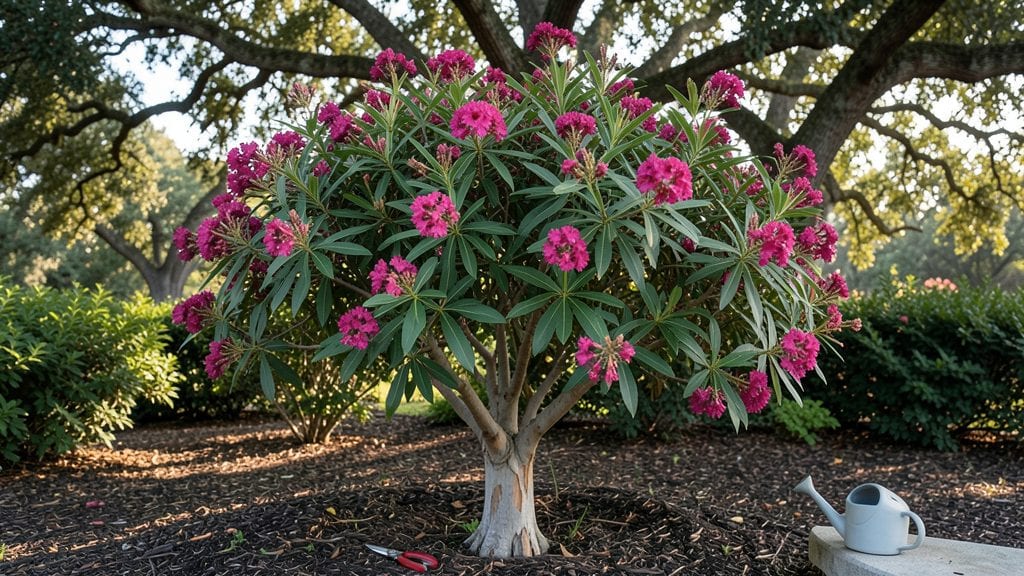
Flowering crape myrtles turn summer into a riot of color—those cascading clusters of pink, purple, or white blooms that last for weeks. 🌸 I planted mine three years ago after watching neighbors' trees explode with flowers every July, and now I can't imagine a yard without them.
The secret isn't just picking the right variety—it's understanding how these tough shrubs thrive with minimal fuss once you get their care rhythm right.
These drought-tolerant powerhouses handle full sun like champions, their bark peeling dramatically in winter to reveal stunning textures. Most varieties grow 6-15 feet tall, so plan your space accordingly—some dwarf types stay under 4 feet. The soil?
Surprisingly forgiving: they tolerate clay, sandy loam, or even slightly alkaline conditions, though they reward you with better blooms when planted in well-draining soil with a touch of compost mixed in. Watering's the real game-changer: deep soakings once a week after establishment, not frequent light sprinkles that encourage weak growth.
Pruning transforms crape myrtles from "pretty" to "showstopper." Cut back old wood in late winter to encourage fresh growth, but never "top" them like old-school advice suggests—that's how you get those ugly stubs. Done right, you'll end up with dense canopies covered in blooms from mid-summer through fall.
The trees even handle urban pollution better than most, making them perfect for city gardens where other flowering shrubs struggle.
Here's the best part: once established, they're practically maintenance-free. Mine hasn't needed fertilizer in years, and deer leave them alone—unlike roses or hydrangeas. The only real challenges are occasional aphid infestations (easy to blast off with water) and that dreaded "crape murder" over-pruning that turns trees into stumps.
We'll cover how to avoid both later, but trust me, these trees repay even beginner mistakes with stunning reblooms if you give them a chance.
📚 In This Guide
- What you need
- Instructions
- Tips and common mistakes
- Wrapping up and next steps
What you need
- ● Flowering crape myrtle plants: 1–3 nursery-grown plants (choose varieties like ‘Muskogee’, ‘Tonto’, or ‘Natchez’ for vibrant blooms)
- ● OR seeds (if starting from scratch—germination takes patience!)
- ● Well-draining soil mix: 50% native soil + 30% compost + 20% perlite/sand (for improved aeration)
- ● pH 5.5–7.0 (test with a soil kit if unsure)
- ● Organic fertilizer: Balanced 10-10-10 or slow-release 20-10-10 (for flowering focus)
- ● 1–2 cups per plant at planting time
- ● Mulch: 2–3 inches of pine straw or shredded bark (keep 6 inches away from trunk)
- ● Planting tools: Trowel or garden spade
- ● Garden gloves (to protect from thorns!)
- ● Pruning essentials: Bypass pruners (sharp, sterilized with rubbing alcohol)
- ● Loppers (for thicker branches)
- ● Pruning saw (for stubborn limbs)
- ● Watering supplies: Hose with adjustable nozzle OR watering can (for gentle hydration)
- ○ Drip irrigation kit (optional, for automated care)
- ● Sunlight: Full sun (6+ hours/day)—crape myrtles thrive in bright light!
- ● Climate: USDA Zones 7–9 (hardy to 0°F with proper care)
- ● Protect young plants from late frosts (use frost cloth if needed)
- ● Space: Mature width: 6–12 feet (varies by variety)
- ● Spacing: 8–10 feet apart for optimal airflow
- ● Soil moisture meter (to avoid over/under-watering)
- ● Epsom salt (for magnesium boost, especially in clay soils)
- ● Decorative stakes or cages (to support young plants)
- ● Plant tags (to track varieties and care notes)
Step-by-Step instructions for planting and pruning flowering crape myrtles
Here’s how to establish crape myrtles that burst with color every season—with pruning techniques that keep them healthy and stunning.
🌱 Step 1: Select the Perfect Planting Site and Prepare the Soil
Crape myrtles thrive in full sun—at least 6-8 hours daily—and well-draining soil. I always choose a spot with afternoon shade in hot climates to prevent leaf scorch. The soil should be slightly acidic to neutral (pH 5.5–7.0), so if yours is heavy clay, mix in 2-3 inches of compost from your list to improve drainage and fertility.
Dig a hole twice as wide as the root ball but no deeper. This encourages roots to spread horizontally rather than sinking too low, which can suffocate them. Gently loosen the roots if they’re circling tightly—just enough to coax them outward. Place the plant so the top of the root ball sits 1 inch above ground level to prevent rot.
💧 Step 2: Plant and Water Deeply for Strong Establishment
Backfill the hole with the amended soil, tamping lightly every 2 inches to eliminate air pockets. Water immediately after planting to settle the soil and remove any gaps. Use 5 gallons of water to thoroughly soak the root zone—you’ll know it’s enough when water drains out the bottom. Mulch around the base with 2-3 inches of organic mulch, keeping it 6 inches away from the trunk to prevent moisture buildup.
Water twice weekly for the first month, then taper to once weekly once new growth appears. Overwatering now can lead to root rot, so always check that the top 2 inches of soil feel dry before watering again. This establishes a strong root system before the first frost.
☀️ Step 3: Prune for Shape and Health in Late Winter
The key to crape myrtle pruning is timing—wait until late winter or early spring when the plant is still dormant. Remove dead, diseased, or crossing branches first, cutting back to the nearest healthy bud or branch collar. Then, shape the plant by shortening branches to just above a bud or lateral branch, never leaving a stub. This ensures fresh growth emerges from the right spot and keeps the tree balanced.
I avoid "topping" (cutting the main stem flat)—this creates weak, leggy growth and ugly water sprouts. Instead, focus on opening the center for airflow and sunlight. After pruning, apply a balanced fertilizer (10-10-10) around the base to support new growth. You’ll see vibrant blooms by mid-summer if done correctly.
✂️ Step 4: Maintain Through the Growing Season
During the growing season, remove spent blooms by cutting back to the first set of leaves below the flower cluster. This encourages more blooms and keeps the plant tidy. Water deeply once weekly during dry spells, aiming for 1-1.5 inches per week. If you notice leaves curling or wilting, it’s a sign of underwatering—crape myrtles are drought-tolerant but perform best with consistent moisture.
Watch for pests like aphids or scale, which love new growth. A strong spray of water usually knocks them off, but for heavy infestations, use neem oil (mix 1 tablespoon per gallon of water). Prune lightly in early summer to shape, but avoid heavy cuts—this can reduce next year’s flowers. Your crape myrtle will reward you with 3-4 weeks of vibrant blooms if you stick to this routine.
⏰ Step 5: Winterize for Next Year’s Blooms
Before the first frost, apply a 3-inch layer of mulch around the base to insulate roots. In colder climates (below 10°F), wrap the trunk with burlap or a tree guard to protect it from temperature swings. Prune any dead wood in early spring, but avoid heavy cuts—this stimulates new growth that might not harden off before winter.
I always mark the plant’s location with a stake so I don’t accidentally dig it up when clearing spring debris. With proper care, your crape myrtle will live for decades, becoming a showstopper in your landscape every year.
Tips & tricks for perfect flowering crape myrtle care
These precision tips will help you avoid common pitfalls and transform your crape myrtle into a landscape showstopper year after year.
Soil Preparation Secret: When amending heavy clay soil in Step 1, I recommend mixing in composted cow manure along with the compost—it adds nitrogen that crape myrtles crave for vibrant blooms. The 2-3 inch compost layer should be worked into the bottom of the hole before placing the root ball, not just the sides. This creates a nutrient-rich zone right where new roots will establish. For sandy soils, add 1 part peat moss to the mix to improve moisture retention.
Root Ball Placement: The 1 inch above ground level placement in Step 1 might seem counterintuitive, but this prevents rot from sitting water. I've seen too many new plantings fail because the root ball was buried too deeply. After planting, gently press the soil around the edges to create a slight basin—this directs water straight to the roots rather than running off. A small mound of soil around the base (about 1-2 inches high) can also help with drainage in heavy rain.
Winter Protection Strategy: In climates below 10°F, I've found that wrapping the trunk with burlap or tree guard in Step 5 works best when combined with a 3-inch mulch layer. The mulch insulates the roots while the wrap protects the trunk from temperature swings that cause cracking. For extra protection in extreme winters, I also add 1-2 inches of straw mulch over the regular mulch—this creates an insulating blanket that can make the difference between survival and damage.
Pruning Precision: When shaping in Step 3, I always look for lateral buds that point outward when making cuts. These buds will produce branches that grow away from the center, creating that beautiful rounded shape. Avoid cutting at sharp angles—make clean cuts just above the bud at a 45-degree angle to prevent water from pooling. And remember: never remove more than 25% of the plant's foliage in one pruning session, even if it looks overgrown.
Pro Tips for Flowering Crape Myrtle
- These precision tips will help you avoid common pitfalls and transform your crape myrtle into a landscape showstopper year after year.
- Soil Preparation Secret: When amending heavy clay soil in Step 1, I recommend mixing in composted cow manure along with the compost—it adds nitrogen that crape myrtles crave for vibrant blooms.
- Root Ball Placement: The 1 inch above ground level placement in Step 1 might seem counterintuitive, but this prevents rot from sitting water.
Frequently asked questions
Got questions about keeping your flowering crape myrtle thriving?
Here are the answers to the most common ones—so you can enjoy those stunning blooms year after year!
When is the best time to plant flowering crape myrtles?
Plant them in early spring or fall when temperatures are mild (50–70°F). Avoid extreme heat or cold, as young roots are sensitive. If planting in summer, water deeply and mulch to protect roots from stress.
How and when should I prune my crape myrtle?
Prune in late winter or early spring (before new growth starts). Remove dead, crossing, or weak branches first, then shape lightly. Avoid "crape murder"—never cut into old wood or the trunk! Aim to keep the lowest branches 6–12 inches above the ground.
Why aren’t my crape myrtles blooming this year?
Common culprits include over-pruning (cutting back into old wood), nutrient deficiencies (add balanced fertilizer in spring), or poor sunlight (they need 6+ hours of sun daily). If blooms are sparse, check for pests like aphids or scale and treat accordingly.
Are flowering crape myrtles drought-tolerant?
Once established (2+ years old), they’re highly drought-resistant! Water deeply 1–2 times per week during the first year, then reduce to every 2–3 weeks in dry spells. Mulch around the base to retain moisture and regulate soil temperature.
What are some good alternatives if I can’t grow crape myrtles?
If your climate is too cold (Zone 5 or below) or you prefer low-maintenance shrubs, try:
- Butterfly Bush (Buddleia) – Drought-tolerant & pollinator-friendly
- Abelia – Blooms spring to fall with glossy foliage
- Dwarf Fothergilla – Fragrant flowers & vibrant fall color
- Oakleaf Hydrangea – Large blooms & seasonal interest
Wrapping up and next steps
Transforming your outdoor space with flowering crape myrtle is a rewarding journey that blends beauty, resilience, and simplicity. Whether you’re a seasoned gardener or just starting, these vibrant shrubs bring year-round charm with minimal fuss—especially when you master the art of pruning precision. 🌸
Ready to see your garden flourish? Grab your tools, roll up your sleeves, and give your crape myrtle the care it deserves. Start small: pick one bush to prune this season, and watch as your confidence—and your garden—blooms!