Planting
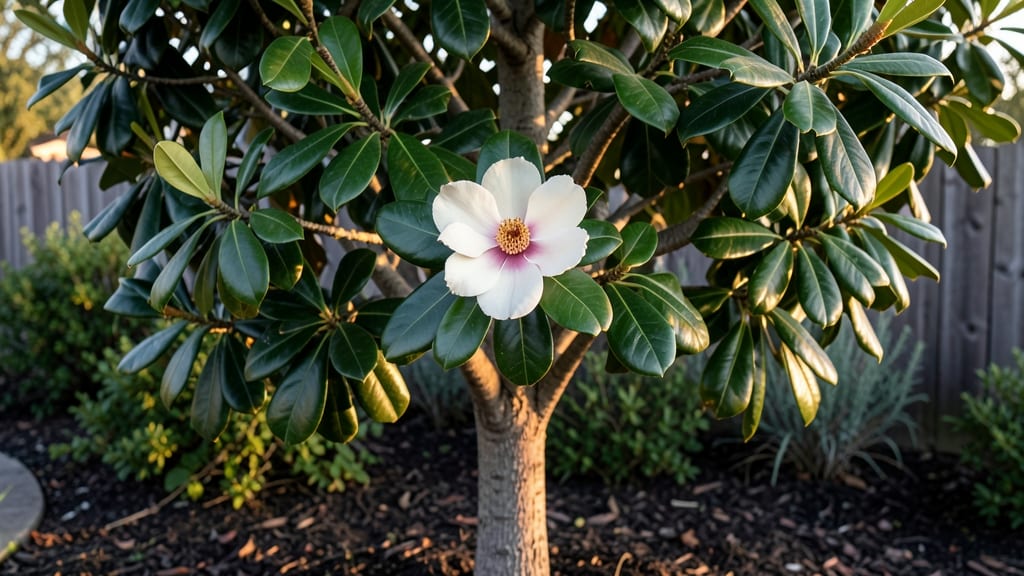
Magnolia flower plants bring that intoxicating spring scent and bold blooms that make neighbors stop and stare. 🌸 I planted my first magnolia five years ago, and every March, those cup-shaped flowers transform my yard into a fragrant showstopper—even though the tree itself grows slower than a glacier.
The secret isn’t forcing speed; it’s patience and the right conditions that let magnolias shine.
You’ll need rich, well-draining soil with a pH between 5.0 and 6.5—think of it as the difference between a muddy puddle and a forest floor. Magnolias crave full sun (at least 6 hours daily) but handle partial shade in hot climates.
Most nurseries sell them as bare-root plants in early spring, though container-grown options work too. Just avoid planting when the ground’s frozen or scorching hot.
The payoff comes in those first blooms, often by year three, with flowers lasting weeks and that signature magnolia perfume wafting through the air. Prune only to shape or remove dead branches—never cut back old wood, or you’ll sacrifice next year’s flowers.
With minimal fuss, your magnolia becomes the centerpiece that outlasts seasonal trends.
Perfect for foundation plantings, shade gardens, or as a statement tree in small yards. Once established, they’re nearly maintenance-free—just water deeply during droughts and feed lightly in early spring. That first bloom will make every slow-growing year worth it.
📚 In This Guide
- What you need
- Instructions
- Tips and common mistakes
- Wrapping up and next steps
What you need
- ● Magnolia plant: Choose between deciduous (e.g., Magnolia grandiflora) or evergreen (e.g., Magnolia stellata) varieties, depending on your climate zone (Zones 4–9). Start with a 1–3 gallon nursery-grown plant for best results.
- ● Well-draining soil: Mix 2 parts peat moss or coconut coir, 1 part perlite or pumice, and 1 part garden soil (or use a pre-mixed acidic, organic potting mix with a pH of 5.0–6.5).
- ● Pot or planting site: For container growing: A 15–20 gallon pot with drainage holes (terracotta or fabric grow bags work well).
- ● For ground planting: A hole twice as wide as the root ball and equally deep.
- ● Organic mulch: 3–4 inches of pine bark, wood chips, or shredded leaves to retain moisture and regulate soil temperature.
- ● Fertilizer: A slow-release, acidic fertilizer (e.g., 10-10-10 or 8-3-9) or organic options like fish emulsion or composted manure.
- ● Watering can or hose with a gentle spray nozzle: Magnolias dislike soggy roots—aim for 1–1.5 inches of water per week (adjust for containers).
- ● Pruning shears: Sharp, bypass pruners (sterilized with rubbing alcohol) for shaping and deadheading.
- ● Gloves and long sleeves: Magnolia leaves can be prickly—protect yourself while handling!
- ● Soil pH tester: Ensures your soil stays in the ideal acidic range (5.0–6.5).
- ● Epsom salt (magnesium sulfate): A tablespoon per gallon of water monthly boosts green foliage.
- ● Moss or sphagnum peat: Adds extra moisture retention for container plants.
- ● Plant support (stakes or cages): Useful for young or top-heavy varieties like Magnolia liliiflora.
- ● Slow-release moisture beads: Helps maintain consistent hydration in containers.
- ● Neem oil or horticultural oil: Prevents pests like scale or aphids that love magnolia leaves.
Step-by-Step guide to planting and caring for magnolia trees
Here’s how to grow these stately beauties with minimal fuss—just follow these simple steps.
🌱 Step 1: Choose the Right Location and Prepare the Soil
Magnolias thrive in well-draining, slightly acidic soil with a pH between 5.0 and 6.5. Before planting, test your soil—if it’s too alkaline, mix in 2-3 inches of peat moss or compost into the top 12 inches of soil. They love full sun to partial shade, with at least 6 hours of direct sunlight daily for best blooms.
Dig a hole twice as wide as the root ball but only as deep as the container it came in. Loosen the sides of the hole with a shovel to encourage root spread. Real talk: Magnolias hate soggy roots, so if your yard has heavy clay, plant on a slight mound to improve drainage.
🪴 Step 2: Plant Your Magnolia Tree Properly
Gently remove the tree from its container and loosen any circling roots with your fingers. Place it in the hole so the top of the root ball sits 1-2 inches above ground level—this prevents rot when water pools around the trunk. Fill the hole with soil, pressing lightly to remove air pockets but not compacting too tightly.
Water deeply right after planting to settle the soil and eliminate air gaps. You’ll know it’s right when water drains evenly without pooling. Mulch around the base with 2-3 inches of organic mulch, keeping it 6 inches away from the trunk to prevent rot. This helps retain moisture and keeps roots cool.
☀️ Step 3: Water and Fertilize for Healthy Growth
Water deeply once a week during the first growing season, ensuring the soil stays consistently moist but not soggy. After the first year, magnolias are drought-tolerant, but they’ll reward you with more blooms if you keep them well-watered during dry spells. Check moisture by sticking your finger 2 inches into the soil—if it’s dry, it’s time to water.
Fertilize once in early spring with a balanced, slow-release fertilizer (like 10-10-10) to encourage strong root and leaf growth. Avoid high-nitrogen fertilizers—they promote foliage over flowers. I’ve found that over-fertilizing can actually reduce blooms, so less is more with these beauties.
✂️ Step 4: Prune and Maintain for Long-Term Beauty
Prune only when necessary, ideally right after flowering in late spring or early summer. Remove dead, diseased, or crossing branches first, then shape lightly if needed. Never prune in fall or winter—this can stimulate new growth that won’t harden off before cold weather, leading to winter damage.
Watch for scale insects or spider mites, which love magnolias. If you spot sticky residue on leaves or tiny webs, spray with neem oil or insecticidal soap as a preventive measure. Healthy magnolias rarely need pesticides, but keeping an eye out early saves headaches later.
⏰ Step 5: Protect in Winter for Year-Round Blooms
Young magnolias (under 3 years old) need winter protection in colder climates. Wrap the trunk with tree wrap and mound 4-6 inches of mulch around the base to insulate roots. Mature trees usually handle winter fine, but if you’re in Zone 6 or colder, consider burlap wrapping for extra defense against harsh winds.
Here’s the thing—magnolias bloom on old wood, meaning they set buds the year before they flower. Avoid heavy pruning in late summer or fall, or you might sacrifice next year’s spectacular blooms. Patience pays off with these trees; some varieties take 3-5 years to flower, but once they do, they’re worth every wait.
Tips & tricks for perfect magnolia flower plant care
Here's what nobody tells you about growing these fragrant giants—tricks that'll help your magnolia thrive for decades.
Soil Prep Secret: Don't just test your soil—amend it properly. In Step 1, when mixing in 2-3 inches of peat moss or compost, work it into the top 12 inches of soil, not just the surface. This creates a proper root zone where magnolias can spread their roots comfortably. I've seen roots grow 3-4 feet wide in ideal soil conditions, so give them room to establish properly.
Planting Depth Matters: In Step 2, that 1-2 inch elevation above ground level is crucial—it prevents water from pooling around the trunk and causing rot. If your yard has heavy clay, create a slight mound when planting to improve drainage. I learned this the hard way after losing two young magnolias to root rot from improper planting depth.
Watering Wisdom: The "deeply once a week" rule in Step 3 works best with proper technique. Use a garden hose with a gentle spray nozzle to water slowly until water drains through completely. This encourages deep root growth rather than shallow, weak roots that dry out quickly. Check moisture at 2 inches depth—if it's dry, water again.
Pruning Timing: Never prune in fall or winter, as Step 4 warns—but here's why: New growth stimulated by late pruning won't harden off before winter, leaving your tree vulnerable to frost damage. The best time is right after flowering in late spring when the tree has finished blooming for the season.
Pro Tips for Magnolia Flower Plant
- Here's what nobody tells you about growing these fragrant giants—tricks that'll help your magnolia thrive for decades.
- Soil Prep Secret: Don't just test your soil—amend it properly. In Step 1, when mixing in 2-3 inches of peat moss or c...
- Planting Depth Matters: In Step 2, that 1-2 inch elevation above ground level is crucial—it prevents water from pooli...
Frequently asked questions
Got questions about growing and caring for magnolia flowers?
Here are some of the most common queries—plus expert answers to help you nurture these stunning plants with confidence!
How do I know when my magnolia tree is ready to bloom?
A magnolia tree typically takes 3 to 10 years to bloom, depending on the variety and growing conditions. Look for mature leaves, sturdy branches, and a well-established root system—these are good signs. Some evergreen magnolias (like Magnolia grandiflora) may produce flowers earlier, while deciduous types (like Magnolia stellata) often bloom in early spring before leaves emerge.
Can I grow a magnolia flower indoors?
While magnolias thrive outdoors in USDA Zones 4–9, some dwarf varieties (like Magnolia 'Black Tulip') can adapt to bright, indirect light indoors. Use a large pot with well-draining soil, keep humidity high, and avoid cold drafts. Expect slower growth and fewer blooms compared to outdoor plants—best for containers on patios or sunrooms!
Why aren’t my magnolia leaves turning green?
Yellow or pale leaves often signal overwatering, poor drainage, or nutrient deficiencies. Check the soil—it should be slightly moist but not soggy. Magnolias prefer acidic, rich soil (pH 5.0–6.0). If yellowing persists, test your soil and consider a balanced fertilizer in early spring. Evergreen magnolias may also struggle in hot, dry conditions—mulch helps!
What’s the best alternative if I can’t grow a magnolia?
If your climate is too cold (below Zone 4) or too hot (above Zone 9), try these fragrant, large-flowered alternatives:
- Camellia (Zones 7–10): Evergreen with glossy leaves and winter blooms.
- Crapemyrtle (Zones 6–9): Drought-tolerant with vibrant summer flowers.
- Fringe Tree (Chionanthus) (Zones 4–8): White, lace-like blooms in spring.
- Azalea (Zones 4–9): Early spring flowers with bold colors.
All thrive in similar partial shade and acidic soil!
Are magnolia flowers toxic to pets?
Yes! All parts of magnolia plants—leaves, flowers, and bark—contain tannins and essential oils that can cause mild to severe stomach upset in pets if ingested. Symptoms include drooling, vomiting, or diarrhea. Keep magnolias out of reach of curious cats and dogs, and consult a vet if you suspect poisoning. Safe alternatives like rosemary or lavender can add fragrance without risk!
Wrapping up and next steps
From their stunning blooms to their fragrant allure, magnolia flower plants bring timeless elegance to any garden or landscape. 🌸 Whether you’re a seasoned gardener or just starting, these resilient beauties offer year-round interest with minimal fuss—just the right soil, sunlight, and a little patience!
Ready to transform your outdoor space? Start by choosing your favorite variety, gathering your supplies, and planting with confidence. Your future magnolia’s vibrant blooms will thank you!