Blooming
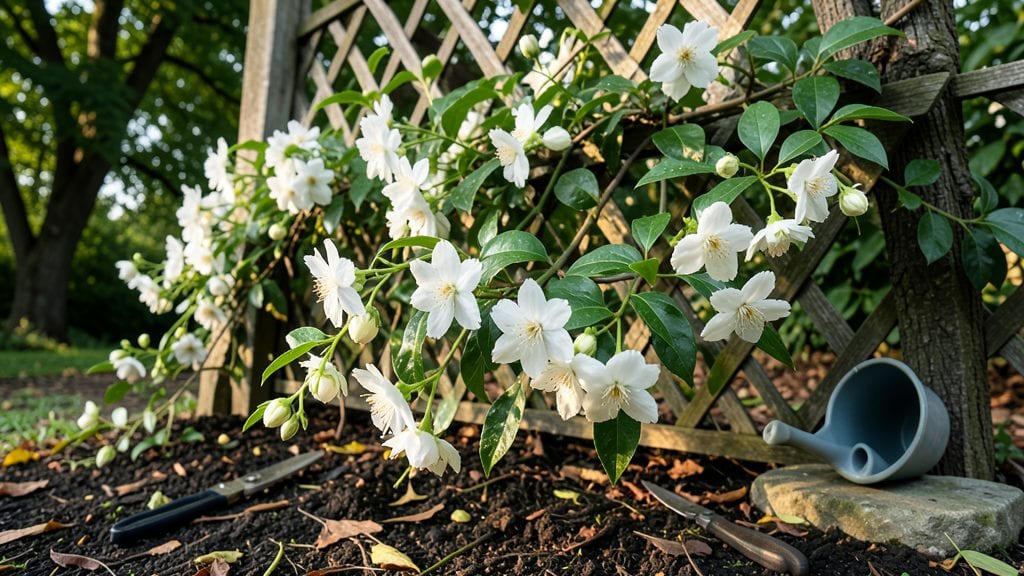
The jasmine flowering period is what transforms your garden from ordinary to intoxicatingly fragrant—if you time it right.
Picture this: you’re sipping your morning coffee, and suddenly, the air fills with that sweet, heady scent of jasmine 🌸—only to realize your favorite variety hasn’t bloomed yet. The truth?
Some jasmine types burst into bloom in late spring, while others wait until midsummer, and your climate zone can shift those windows by weeks.
Whether you’re growing Jasminum officinale (common jasmine) or Jasminum sambac (Arabian jasmine), knowing the exact months to expect those delicate white flowers means never missing a single whiff.
Here’s the secret: sunlight, pruning, and even your last frost date all play a role in when your jasmine will shine.
In USDA Zone 6a, for example, most varieties kick off their flowering show in May or June, but tropical types like Jasminum sambac can bloom year-round in warmer climates. We’ll break down the timeline by variety, plus the simple tweaks to coax earlier—or longer—blooms from your plants.
Ready to plan your garden around those fragrant bursts? You’ll learn which months to expect peak blooms, how to adjust for your local climate, and the one pruning trick that can extend your jasmine’s flowering season by weeks.
Jasmine flowering schedule by variety: months & peak bloom times
Timing your jasmine blooms means planning for their unique flowering windows. Some varieties like Arabian jasmine burst into scent in early spring, while others like Pink jasmine shine in late summer.
Your climate zone also shifts these timelines—tropical regions enjoy year-round blooms, while cooler zones may see just one peak. Let’s break down the exact months for each type so you can anticipate those fragrant bursts.
Understanding these peak bloom periods helps you choose the right jasmine for your garden’s timeline. For example, Jasminum officinale (common jasmine) thrives in spring, while Jasminum sambac (Arabian jasmine) often blooms twice a year.
Below, we’ve mapped out the flowering schedules for the most popular varieties, including regional adjustments for U.S. zones 7-11 and tropical climates.
Key factors like sunlight, pruning, and soil health can nudge blooms earlier or later. But first, let’s focus on the natural flowering windows so you know what to expect—and when to start planning for those intoxicating aromas.
Pro Tip: If you live in a cooler zone (like Zone 7), expect blooms to shift slightly later in the season. In warmer zones (like Zone 10), some varieties may flower year-round with proper care.
Variety
Common Name
Primary Bloom Period (U.S. Zones 7-11)
Tropical Climate Bloom Period
Notes
Jasminum officinale
Common Jasmine
May–July (peak June)
Year-round (heaviest spring/fall)
Fragrant, hardy, needs full sun
Jasminum sambac
Arabian Jasmine
June–August (twice/year: spring/fall)
Continuous blooms
Sweetest scent, thrives in warmth
Jasminum grandiflorum
Spanish Jasmine
July–September (peak August)
Spring–fall (year-round in tropics)
Large blooms, needs support trellis
Jasminum polyanthum
Pink Jasmine
April–June (late spring)
Winter–spring (year-round in tropics)
Delicate pink flowers, partial shade tolerant
Trachelospermum jasminoides
Star Jasmine
June–August (peak July)
Spring–fall (year-round in tropics)
Star-shaped blooms, drought-resistant
Jasminum nudiflorum
Winter Jasmine
January–March (early spring)
Not tropical (cool climate)
Yellow blooms, first to flower
Now that you’ve got the flowering timelines, let’s talk about how your local climate can shift these dates. For example, in Zone 7, Arabian jasmine might bloom a week later than in Zone 10. In tropical climates, many varieties flower continuously if given the right conditions—think year-round fragrance for your garden!
If you’re in a cooler zone, focus on varieties like Winter Jasmine for early blooms or Common Jasmine for mid-season fragrance. For hot climates, Spanish Jasmine or Star Jasmine will reward you with longer bloom cycles. The key is matching the variety to your microclimate.
One common mistake? Assuming all jasmine blooms at the same time. Winter Jasmine might be in full bloom while your Arabian Jasmine is still budding—plan your garden layout to enjoy sequential fragrance all season long.
For example, pair Winter Jasmine (January–March) with Pink Jasmine (April–June) for a non-stop scent parade.
For tropical gardeners, the rules relax a bit—many varieties bloom year-round if kept healthy. Focus on consistent watering and pruning to encourage continuous flowers. In contrast, Zone 7 gardeners should protect plants from late frosts and prune aggressively in late winter to trigger spring blooms.
Ready to extend your jasmine’s bloom time? The secret lies in pruning and fertilizing at the right moments. For instance, a light pruning in early spring can encourage earlier blooms, while a heavy prune after flowering promotes bushier growth for next season.
We’ll dive deeper into these care hacks in the next section—so bookmark this guide for when you’re ready to fine-tune your jasmine’s schedule!
How climate zones shift jasmine blooming seasons (and how to adjust)
Your USDA climate zone is the single biggest factor in when your jasmine blooms. In zones 9-11, most varieties flower year-round, while gardeners in zones 5-6 face a 3-4 month delay without adjustments.
Even the same jasmine plant can bloom in June in Florida but wait until August in Pennsylvania. Understanding these shifts helps you plan for fragrance-filled evenings—whether you're in a frost-prone area or a humid subtropical region.
Temperature isn't the only player—humidity levels and daylight hours also dictate blooming windows. For example, Arabian jasmine thrives in high humidity (like zones 8-11), while Winter jasmine (Jasminum nudiflorum) blooms in late winter when days start lengthening.
These differences mean your care routine should shift based on where you live, from frost protection in cold zones to shade adjustments in hot climates.
Here’s how to adjust your expectations—and your garden—based on your climate zone:
- 1 Zones 5-6 (Cold Climates): Most jasmine varieties bloom late summer to fall (August-October) due to delayed spring warmth. Use row covers in early spring to force earlier blooms or choose Winter jasmine for February-March flowers.
- 2 Zones 7-8 (Temperate): Expect spring and fall blooms (April-May and September-October). Prune in late winter to encourage earlier spring flowers, and mulch heavily to protect roots from late-season frosts.
- 3 Zones 9-11 (Warm/Tropical): Jasmine blooms year-round, with peaks in spring and fall. Provide afternoon shade in zones 10-11 to prevent heat stress and water deeply every 2-3 days during dry spells.
- 4 Frost Risk Zones (5-6): Plant potted jasmines near a south-facing wall to absorb heat. Move containers indoors before first frost (October 15 in zone 6a) to extend the blooming season into winter.
- 5 Humidity Adjustments: In low-humidity zones (7-8), mist leaves daily in summer to mimic tropical conditions. For high-humidity zones (9-11), ensure well-draining soil to prevent root rot from excess moisture.
If you’re in zone 5 or 6, don’t despair—you can still enjoy jasmine blooms by choosing hardier varieties like Winter jasmine or Bearss jasmine. These types tolerate colder temperatures and often bloom earlier in the season.
For example, Winter jasmine can flower as early as February if planted in full sun and protected from late frosts.
For gardeners in zones 9-11, the key is pruning and watering strategies. Over-pruning can reduce blooms, so focus on light trimming after flowering to encourage continuous blooming.
In hot climates, water deeply in the morning to prevent heat stress and apply a mulch layer to retain moisture. This approach helps extend the blooming period from spring through fall.
Pro tip: Track your local last frost date and plant jasmine in containers if you’re in a frost-prone zone. This flexibility lets you move plants to sheltered spots or even indoors during winter months, giving you fragrance year-round.
With these adjustments, you’ll turn your garden into a jasmine sanctuary regardless of your climate zone. 🌸