
Shrubs
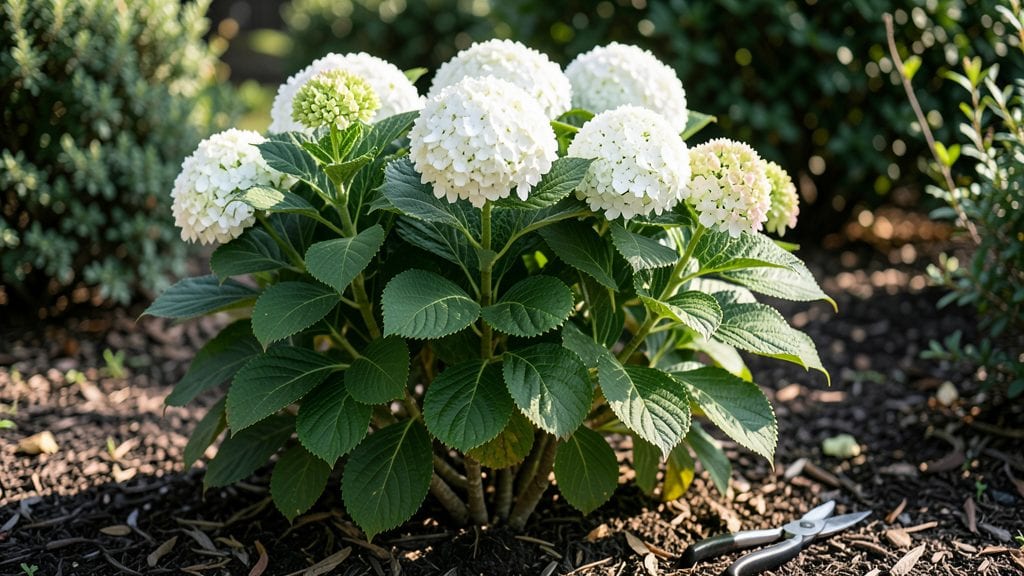
That fragrant white flowering bush in your yard might be the star of your garden—if you know how to spot it. 🌿 I’ve spent years trying to identify mystery bushes, and the key is noticing details most gardeners miss: leaf shape, bloom time, and even how the flowers smell.
A single white bloom could be anything from a delicate lilac to a bold mock orange, and getting it right means better care and a showier landscape.
The first clue is always the leaves. Are they smooth-edged like a lilac’s or jagged like a mock orange’s? Then check the flowers: do they grow in clusters (like hydrangeas) or single stems (like jasmine)?
Fragrance is another game-changer—some bushes smell like honey, others like fresh rain. I’ll walk you through the most common suspects and how to tell them apart before you even pull out a field guide.
Once you’ve narrowed it down, you’ll know exactly how to prune, feed, and place it for maximum impact. A properly identified bush thrives for years, filling your yard with scent and color. No more guessing—just confident gardening. Let’s crack the case together and turn that mystery into a showstopper.
This works for any climate, from Pacific Northwest shade gardens to Southern sun-drenched landscapes. Whether you’re in Zone 5 or 9, the same tricks apply—just adjust for your local growing conditions. Ready to solve the puzzle? Here’s how to start.
Behind the Blooms: Causes of White Flowers
White flowering bushes aren’t just a lucky coincidence—they’re the result of a carefully balanced mix of biology, environment, and care. Understanding why your bush sports those pristine petals helps you nurture it (or even encourage more of them!). Here’s a breakdown of the key factors at play:
White flowers aren’t random; they’re often hardwired into a plant’s DNA.
Many shrubs—like mock orange (Philadelphus), jasmine (Jasminum), or bridal wreath spirea (Spiraea prunifolia)—are selectively bred or evolved to produce white blooms for specific advantages: - Pollinator Magnet: White petals reflect all wavelengths of light, making them highly visible to bees, butterflies, and moths—even in low light.
This evolutionary trick ensures better cross-pollination. - Heat Regulation: Lighter colors absorb less heat than dark hues, helping flowers stay cooler in sunny climates (think desert-adapted shrubs like desert willow). - Symbolism & Survival: In some species, white signals purity or maturity, subtly communicating to pollinators that the flower is "ready" for reproduction.
Actionable Tip: 🔍 If you’re trying to identify your bush, check its leaf shape, growth habit, and fragrance—these traits often pair with white flowers in predictable ways. For example, mock orange has glossy leaves and intensely fragrant blooms, while snowberry (Symphoricarpos) has white flowers and white berries.
White flowers often bloom in response to specific light conditions, acting like a biological clock: - Full Sun Lovers: Shrubs like potentilla (Dasiphora) or deutzia need 6+ hours of direct sunlight to trigger flowering. Too much shade?
They may produce fewer—or paler—blooms. - Seasonal Cues: Many white-flowering bushes (e.g., weigela, abelia) are short-day plants, meaning they bloom when daylight hours shorten (late spring/early summer).
Others, like winter jasmine (Jasminum nudiflorum), are long-day plants and flower in winter’s weak sunlight. - Stress Blooming: Some shrubs (e.g., spirea) may burst into white flowers as a response to mild stress—like pruning too late in the season or a sudden temperature drop.
Pro Tip: 🌡️ If your bush isn’t flowering, monitor its sunlight exposure. Use a light meter app (or the "shadow test": if your hand’s shadow is shorter than your hand at noon, it’s getting enough sun).
White flowers are energy-intensive to produce, so a bush’s internal resources play a huge role: - Moisture Matters: Drought-stressed shrubs (e.g., lilac, mock orange) may produce smaller or fewer white blooms.
Overwatering, however, can dilute nutrients, leading to weak or sparse flowers. - Nitrogen vs. Phosphorus: Too much nitrogen (from fertilizer) = lush leaves but no flowers. Phosphorus, on the other hand, promotes blooming.
A balanced 10-10-10 fertilizer (or one with higher phosphorus like 5-10-5) can encourage white flowers. - Soil pH: Many white-flowering shrubs (e.g., hydrangea, azalea) thrive in acidic soil (pH 5.0–6.5).
If your soil is alkaline (pH 7.0+), the bush may struggle to absorb key nutrients like iron, stunting flower production.
Quick Fix: 💡 Test your soil with a DIY kit (or send a sample to a local extension office). If pH is off, amend with sulfur (to lower pH) or lime (to raise it).
- Over-Pruning: Cutting back too aggressively in late summer/fall removes next year’s flower buds.
White-flowering shrubs like spirea or deutzia often bloom on old wood (last year’s growth), so prune right after flowering. - Youthful Energy: Young shrubs (under 3 years old) may focus energy on growth rather than blooms.
Older bushes (5+ years) often produce more abundant white flowers—unless they’re overcrowded. - Deadheading: Removing spent white blooms (e.g., on jasmine, abelia) can stimulate new flowers by redirecting energy.
Pruning Schedule:
| Shrub Type | Best Pruning Time | Why It Works |
|---|---|---|
| Spring bloomers | Right after flowering | Allows new growth for next year’s buds. |
| Summer/fall bloomers | Early spring | Encourages fresh growth for late-season flowers. |
| Evergreens (e.g., boxwood) | Late winter | Shapes growth without stressing the plant. |
While white flowers themselves are rarely targeted by pests, underlying stress from infestations can halt blooming: - Aphids & Spider Mites: These sap-suckers weaken the bush, reducing its ability to produce flowers.
Look for sticky residue (honeydew) or yellowing leaves. - Powdery Mildew: A fungal disease that coats leaves in white powder, blocking sunlight and nutrients. Common in hydrangeas and spireas. - Root Rot: Overwatered or poorly drained soil can kill roots, starving the bush of energy.
White flowers may appear as a last-ditch effort before decline.
Prevention: 🛡️ Spray bushes with neem oil (for pests) or ensure 6 inches of mulch around the base to prevent soil-borne diseases.
Quick Fixes for White-Blooming Shrubs
Got a stunning white-flowering bush but unsure how to keep it thriving? Whether it’s struggling with pests, poor growth, or just needs a little TLC, these practical solutions will help you revive and maintain your beauty.
Let’s break it down by common issues and their fixes—plus tips to prevent future problems.
If your white-flowering shrub is putting out fewer blooms than expected, it’s often a sign of stress or improper care. Here’s how to fix it:
🔥 Step 1: Check the Pruning Schedule
Many white-flowering shrubs (like hydrangeas, lilacs, or mock orange) bloom on old wood, meaning last year’s growth produces this year’s flowers.
If you prune at the wrong time, you could cut off next season’s blooms! - For spring bloomers (e.g., lilacs): Prune right after flowering (late spring/early summer). - For summer/fall bloomers (e.g., hydrangeas): Prune in late winter or early spring before new growth starts. - Avoid heavy pruning—stick to shaping and removing dead branches.
🍳 Step 2: Feed It Right
White-flowering shrubs often need a balanced fertilizer to encourage blooms.
Use a 10-10-10 or 20-20-20 formula in early spring (before new growth) and again after flowering. - For acid-loving plants (like hydrangeas): Add iron sulfate or aluminum sulfate to turn blooms blue (if desired). - For alkaline soil plants (like lilacs): Use lime to maintain soil pH (6.0–7.0).
👨🍳 Step 3: Water Wisely
Underwatering or soggy soil can stress your bush and reduce blooms.
- Water deeply 1–2 times per week (depending on climate) to encourage strong root growth.
- Mulch around the base (2–3 inches of organic mulch) to retain moisture and regulate soil temperature.
💡 Pro Tip:
If your shrub is overcrowded, thin out some branches to improve airflow and sunlight exposure—this can double your bloom count!
Yellowing leaves, holes in foliage, or black spots? Pests and diseases are likely culprits. Here’s how to tackle them:
🔪 Step 1: Identify the Problem
| Symptom | Likely Cause | Solution |
|---|---|---|
| Holes in leaves | Japanese beetles, caterpillars | Handpick pests or use neem oil spray. |
| Black spots on leaves | Fungal disease (e.g., powdery mildew) | Apply baking soda spray (1 tsp baking soda + 1 quart water + a drop of dish soap) or fungicide. |
| Sticky residue on leaves | Aphids or scale insects | Spray with soapy water or insecticidal soap. |
| Wilting or dying branches | Root rot (overwatering) | Improve drainage; trim affected branches. |
⏰ Step 2: Act Fast
- For soft-bodied pests (aphids, mites): Spray with water first to knock them off, then apply neem oil or insecticidal soap.
- For fungal issues: Remove infected leaves immediately and avoid overhead watering.
- For beetles or borers: Use beneficial nematodes or pesticide bait (like for Japanese beetles).
🌡️ Step 3: Prevent Future Outbreaks
- Encourage beneficial insects (like ladybugs) by planting marigolds or dill nearby.
- Avoid over-fertilizing with nitrogen—this makes plants soft and more susceptible to pests.
- Space shrubs properly (3–5 feet apart) to improve airflow and reduce humidity (which fuels fungi).
If your white-flowering bush looks sprawling, weak, or bare at the bottom, it’s likely suffering from poor light or over-fertilization. Here’s how to fix it:
🌞 Step 1: Optimize Sunlight
- Most white-flowering shrubs (like mock orange or abelia) thrive in full sun to partial shade (6+ hours of sunlight/day).
- If indoors or in shade: Move it to a sunnier spot or supplement with a grow light.
- For shade-loving types (like pieris): Ensure it gets dappled sunlight to prevent leggy growth.
🥗 Step 2: Prune for Shape & Health
- Remove 1/3 of the oldest stems at the base to encourage new, bushier growth.
- Pinch back new growth in spring to promote fuller branches.
- Use a rejuvenation prune (cutting back all stems to 6–12 inches) for severely overgrown shrubs (do this in late winter).
💪 Step 3: Support Weak Stems
- Stake tall or floppy shrubs (like gardenias) to prevent breakage.
- Use a trellis or cage for climbing varieties (e.g., clematis with white blooms).
- Avoid heavy pruning in fall—this can stress the plant before winter.
Once your white-flowering bush is back in shape, preventative care will keep it blooming beautifully year after year:
- Test your soil every 2–3 years and amend as needed (e.g., compost for organic matter, lime for alkalinity).
- Divide overcrowded shrubs (like hydrangeas) every 3–5 years to rejuvenate growth.
- Monitor for pests early—catching issues before they spread is key!
- Protect from harsh winters with mulch or burlap wraps if your climate is cold.
Final Thought: A little observation and timely care can transform a struggling white-flowering bush into a showstopper in your garden. Try one fix at a time, and soon you’ll be enjoying abundant, fragrant blooms all season long! 🌸✨
Frequently asked questions
How can I tell if my white flowering bush is fragrant?
Crush a few leaves or gently rub a bloom between your fingers. Strongly scented bushes like mock orange or jasmine will release an obvious aroma, while others like hydrangea may have little to no fragrance. Time of day matters too—many white blooms release scent most intensely in the morning.
What's the easiest way to narrow down my bush's identity?
Start with three key traits: leaf shape (smooth-edged vs. serrated), bloom time (spring vs. summer), and growth habit (upright vs. sprawling). For example, a lilac has fuzzy leaves and spring blooms, while abelia has glossy leaves and flowers in summer. Use a plant ID app like PlantNet to compare photos.
Why does my white flowering bush have no scent?
Some varieties (like hydrangea or spirea) naturally produce unscented blooms. Others may have lost fragrance due to over-fertilizing with nitrogen. Try pruning back one-third of the oldest stems to encourage new growth—younger branches often produce more fragrant flowers.
Can I grow a white flowering bush in full shade?
Most white bloomers need at least 4-6 hours of sunlight daily, but shade-tolerant options like pieris or azalea can thrive with dappled light. If your yard is heavily shaded, choose varieties bred for low-light conditions and supplement with a grow light during winter months.
How do I know if my bush is overcrowded?
Look for bare stems at the base or branches growing toward the center. When you can't see through the bush from any angle, it's time to thin. Remove 1/3 of the oldest stems at ground level to improve airflow and encourage new growth. This works especially well for hydrangeas or spireas.