
Watering
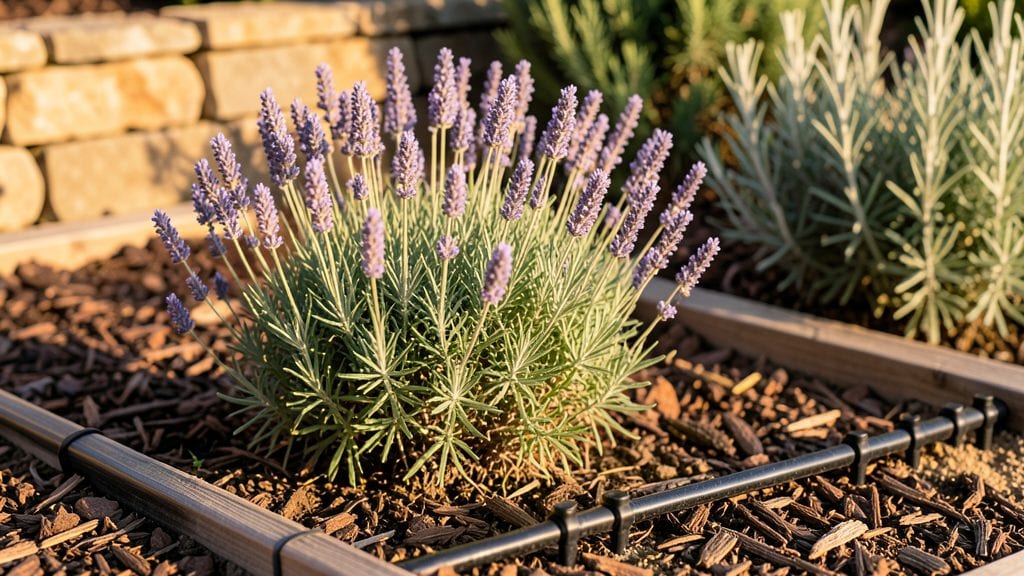
Drought tolerant plants with flowers thrive in low-water conditions while delivering vibrant blooms, making them perfect for xeriscaping. Top picks include lavender, yucca, and black-eyed Susan, which require minimal irrigation once established and attract pollinators.
These hardy bloomers survive dry spells through clever adaptations like deep root systems that tap into underground water sources. 🌿 Many also feature waxy leaf coatings that lock in moisture, while some even shed leaves during droughts to conserve water—a trait called drought-deciduousness.
The best part? Once established, they often need watering just once every two weeks, if that, making them ideal for busy gardeners or water-conscious landscapes.
For example, lavender thrives in poor, well-drained soil and loves full sun, while yucca handles heat and drought with its sword-like foliage and dramatic flower spikes. Black-eyed Susan, a North American native, blooms prolifically from summer to fall with almost no care.
These plants don't just survive—they prosper in conditions where many others would wilt.
💡 In This Article
- How Drought-Resistant Flowers Survive Without Water
- Best Low-Maintenance Flowering Plants for Arid Climates
How drought-resistant flowers survive without water
Drought-resistant flowers have evolved remarkable survival strategies to thrive in arid conditions. Their deep root systems can extend 6-12 feet underground, accessing moisture that shallow-rooted plants miss.
For instance, yucca roots grow vertically to reach water tables, while black-eyed Susan develops a fibrous network that spreads horizontally to capture rainwater efficiently. This adaptation allows them to survive with 80-90% less water than traditional garden flowers.
Their leaves are often covered in a waxy cuticle that acts like a moisture seal, reducing water loss through transpiration by up to 50%. Lavender, for example, has narrow, silver-gray leaves that reflect sunlight and minimize evaporation.
Some species, like desert marigold, even have tiny hairs that trap humidity near the leaf surface. These physical adaptations create a microclimate that preserves precious moisture during dry spells.
Many drought-tolerant bloomers employ a survival tactic called drought-deciduousness, where they shed leaves during extreme dry periods to conserve water. Russian sage drops its foliage when soil moisture drops below 30%, then regrows when rains return.
This strategy contrasts with succulents like aloe vera, which store water in their thick leaves and stems rather than shedding foliage. Succulents can survive months without water, while non-succulent drought plants rely more on root systems and leaf adaptations.
Another key mechanism is their ability to enter dormancy during droughts. Blanket flower slows its metabolic processes, reducing water needs while maintaining just enough activity to survive. This metabolic adjustment allows it to bloom again once conditions improve.
The contrast between succulents (which store water) and non-succulents (which conserve through structure and behavior) shows nature's diverse solutions to the same challenge.
These adaptations aren't just about survival—they create vibrant ecosystems. Drought-resistant flowers often attract pollinators like bees and butterflies because their nectar remains accessible even in dry conditions. The 1-2 inch purple blooms of catmint, for example, continue producing nectar through heatwaves, supporting local wildlife while requiring minimal irrigation. 🌸
The science behind these plants reveals why they're perfect for modern landscapes. Their water efficiency stems from a combination of root architecture, leaf modifications, and metabolic flexibility—a perfect storm of adaptations that make them the unsung heroes of water-wise gardening.