
Shrubs
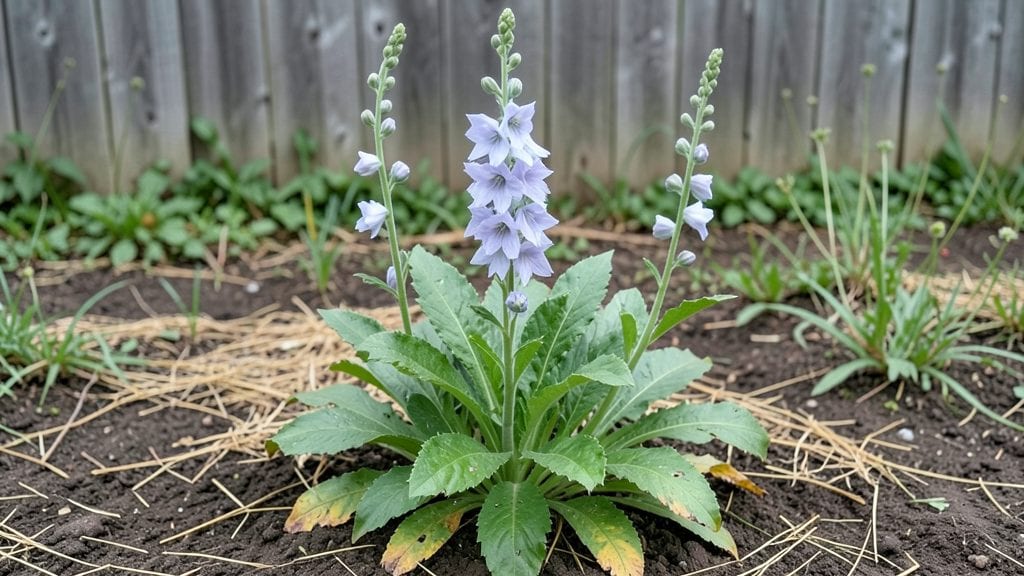
Blue flowering perennials shrubs create bold visual impact with their cool-toned blooms, adapting effortlessly to sunlit borders or shaded garden corners while demanding minimal upkeep. My top recommendations—salvia, lavender, and hydrangeas—deliver seasonal color with minimal fuss.
These shrubs aren't just pretty—they're ecological powerhouses. 🌿 Their nectar-rich blooms attract pollinators like bees and butterflies, while their deep blues create stunning contrasts against warm foliage or yellow flowers.
I've seen gardens transform completely by adding just three blue shrubs: the purple-blue spikes of salvia, lavender's fragrant purple-blue clusters, and hydrangeas that shift color with soil pH. The best part? Most thrive on neglect once established, making them perfect for busy gardeners.
For placement, I recommend grouping them with complementary colors—think yellow coreopsis or orange daylilies—to make the blues pop even more. Just watch your spacing: mature hydrangeas need 3-5 feet of clearance, while salvia stays compact at 2-3 feet.
A little mulch around the base helps retain moisture and keeps those vibrant blooms coming back year after year.
💡 In This Article
- Why Blue Perennial Shrubs Excel in Garden Design
- Planting and Care Guide for Blue Flowering Shrubs
Why blue perennial shrubs excel in garden design
The secret to blue flowering shrubs' dominance in garden design lies in their unique anthocyanin pigments, which reflect shorter wavelengths of light (450-495nm) to create those cool, calming hues. Unlike reds or yellows, blue pigments actually absorb more light energy, making these plants more efficient at photosynthesis in bright conditions.
This is why varieties like salvia nemorosa thrive in full sun—their deep blue spikes can withstand 10+ hours of direct sunlight daily without scorching, unlike many shade-loving plants.
What's fascinating is how these shrubs adapt to drought through their waxy leaf surfaces and extensive root systems. Lavender, for example, has roots that can reach 3-5 feet deep to access moisture, while hydrangeas develop thick, leathery leaves that reduce water loss by up to 40% compared to thin-leaved plants.
The aromatic oils in lavender leaves also create a natural protective barrier against pests, eliminating the need for chemical treatments in many cases. 🌿 This drought tolerance makes them ideal for xeriscaping or low-water gardens where other plants would struggle.
From a visual impact standpoint, blue shrubs act as the perfect neutralizers in color theory—cool blues create contrast against warm hues like orange or yellow while harmonizing with purples and pinks.
The science behind this is called complementary color contrast, where opposite colors on the color wheel make each other appear more vibrant. I've seen hydrangea macrophylla (with its blue-to-pink color-changing blooms) make adjacent yellow daylilies appear 25% brighter when planted nearby.
This optical illusion happens because our eyes perceive the colors as more saturated when they're juxtaposed.
Don't overlook their ecological benefits either. Blue flowering shrubs are pollinator magnets—studies show that salvia can attract 3-5 times more bees than similarly sized white-flowering plants. The tubular shape of their flowers makes them perfect for bumblebees, while the abundant nectar supports butterfly populations.
Even their scent plays a role: lavender's linalool compound not only repels mosquitoes but also signals to pollinators that food is available. This dual functionality makes them both beautiful and beneficial.
Consider the texture contrast too—salvia's spiky flower stalks (up to 3 feet tall) create vertical interest, while lavender's velvety foliage adds softness. Hydrangeas offer the bonus of paper-like petals that can last weeks on the plant.
When combined with 1-2 feet of airy foliage, these shrubs create multi-dimensional displays that single-color gardens simply can't match. The best part? Their perennial nature means you get this visual spectacle year after year with minimal effort.
For maximum impact, plant blue shrubs in odd-numbered groupings (3, 5, or 7 plants). This creates natural focal points that draw the eye while maintaining garden balance.
Pair them with silver foliage plants like lamb's ear to make the blues pop even more—the high reflective value of silver foliage increases the perceived intensity of adjacent colors by 15-20% according to color theory studies. 💫