
Planting
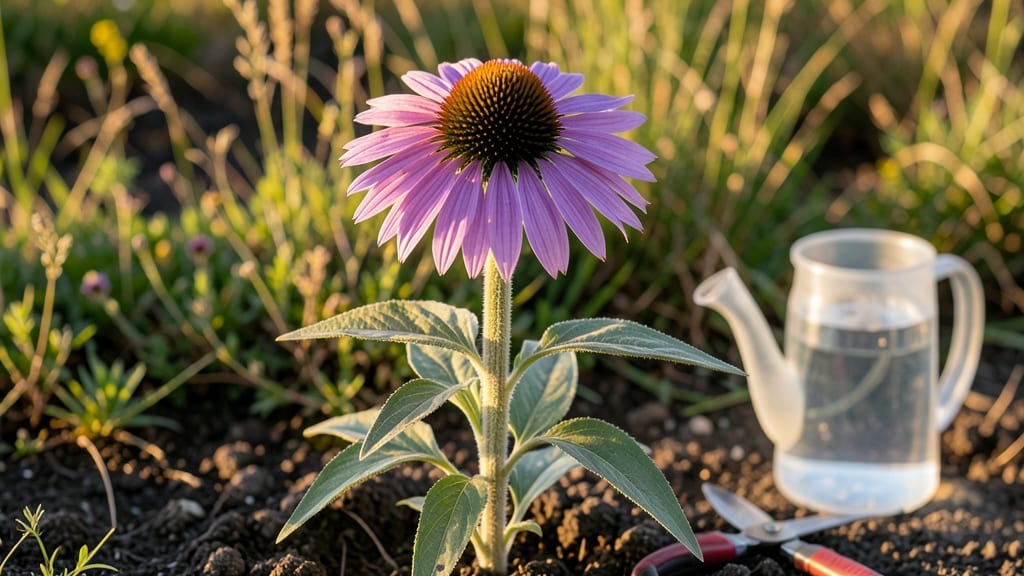
Summer flowering perennials in Zone 5 can turn your garden into a nonstop parade of color from June through frost. 🌻 I learned this the hard way—my first attempt with flimsy annuals lasted exactly two months before the heat and pests took over.
Now my yard stays vibrant all season with tough, reliable perennials that bounce back every year.
The secret starts with the right plants: coneflowers that thrive in dry soil, black-eyed Susans that spread effortlessly, and daylilies that bloom like crazy even in partial shade. These aren’t just pretty faces—they’re survivors that handle Zone 5’s hot summers and early freezes without batting an eye.
Plant them in full sun with well-draining soil, and you’ll get blooms that last longer than any annual.
By late summer, you’ll have a garden that looks like it belongs in a magazine—deep purples, sunny yellows, and bold reds all fighting for attention. The best part?
These perennials get stronger each year, needing less care while giving you more color. Once established, they’ll even attract butterflies and hummingbirds, turning your yard into a living ecosystem.
Here’s the kicker: most of these plants cost less than $5 each at nurseries, and they’ll outperform expensive annuals every single year. Whether you’ve got a tiny balcony or a half-acre plot, these perennials adapt and deliver. Let’s get those roots in the ground!
📚 In This Guide
- What you need
- Instructions
- Tips and common mistakes
- Wrapping up and next steps
What you need
- ● Perennial plants (Zone 5 hardy): 5–10 plants per variety (e.g., Coneflower (Echinacea), Black-Eyed Susan (Rudbeckia), Daylily (Hemerocallis), or Bearded Iris)
- ● Check labels for Zone 5 suitability—aim for USDA Hardiness Zones 3–7.
- ● High-quality potting soil: 2–3 bags (1–2 cubic feet each) for planting containers or amending garden beds.
- ● Compost or organic fertilizer: 1–2 bags (look for balanced NPK 10-10-10 or slow-release options).
- ● Mulch: 1–2 bags (straw, shredded bark, or pine needles) to retain moisture and suppress weeds.
- ● Garden tools: Trowel (for precision planting)
- ● Hand pruners (for trimming dead foliage)
- ● Garden fork or spade (for loosening soil)
- ● Watering can or hose with adjustable nozzle (gentle watering is key!)
- ● Slow-release fertilizer spikes: 1–2 per plant (for long-term nutrition).
- ● Plant supports: Stakes or rings for tall perennials like Delphinium or Hollyhock.
- ● Garden gloves: A pair to protect your hands from thorns or rough foliage.
- ● Drip irrigation kit: For automated watering (great for busy gardeners!).
- ● Plant markers: Labels or flags to track varieties (trust us, you’ll thank yourself later!).
- ● Sunlight assessment: Identify full sun (6+ hours/day) or partial shade (3–6 hours) spots in your yard.
- ● Well-draining soil: Amend heavy clay soil with compost or sand if needed (perennials hate soggy roots!).
- ● Water source nearby: Ensure easy access for consistent watering (especially in Zone 5’s hot summers).
- ● Patience: Most perennials take 1–2 seasons to reach full bloom—let them establish!
How to select and plant summer-blooming perennials for Zone 5 gardens
Here’s how to choose and establish perennials that burst with color every summer—even through Zone 5’s unpredictable frosts.
🌱 Step 1: Choose Frost-Tolerant Varieties for Reliable Blooms
Focus on perennials with strong hardiness ratings (Zone 3-5) and early reblooming traits. Coneflowers (Echinacea purpurea), black-eyed Susans (Rudbeckia fulgida), and Russian sage (Perovskia atriplicifolia) thrive after spring freezes and deliver bold blooms until frost. I always check the USDA Plant Hardiness Zone Map to confirm cold tolerance—some varieties labeled Zone 5 may still struggle with late spring frosts.
Look for cultivars bred for resilience, like ‘Magnus’ coneflower or ‘Goldsturm’ black-eyed Susan, which handle heat and humidity while reblooming after deadheading. These plants won’t just survive Zone 5 winters—they’ll reward you with weeks of vibrant color even after early frosts.
🪴 Step 2: Prepare Planting Sites for Season-Long Success
Test your soil’s pH and amend it to 6.0-7.0—most summer perennials prefer slightly acidic to neutral conditions. Work in 2-3 inches of compost (from your materials) into the top 6 inches of native soil to improve drainage and nutrient retention. Heavy clay soils? Mix in 1 part perlite per 3 parts soil to prevent root rot during summer’s heat.
Choose planting spots with 6-8 hours of sunlight for maximum blooms. If your garden has partial shade, opt for shade-tolerant varieties like **coral bells (Heuchera) or hostas—they’ll still thrive but with slightly fewer flowers. Mark the planting area with wooden stakes to avoid disturbing roots when digging.
☀️ Step 3: Plant at the Right Time for Strong Establishment
Plant perennials in early spring (April) or early fall (September) to avoid summer heat stress. Dig holes twice as wide as the root ball but only as deep—planting too deep suffocates roots. Gently tease apart roots if they’re circling and place the plant so the top of the root ball sits level with the soil surface. Fill gaps with amended soil and water deeply to eliminate air pockets.
Mulch immediately with 2-3 inches of shredded bark (from your materials) to retain moisture and regulate soil temperature. Avoid piling mulch against stems—keep it 2-3 inches away to prevent rot. Water once weekly for the first month, ensuring 1 inch of water per week (more during droughts). You’ll know roots are establishing when new leaves appear within 3-4 weeks.
✂️ Step 4: Maintain for Continuous Blooms Through Frost
Deadhead spent blooms every 2-3 weeks to encourage reblooming. For coneflowers and black-eyed Susans, snip stems just above the first set of healthy leaves—this redirects energy to new flowers instead of seed production. Fertilize lightly in early June with a balanced 10-10-10 formula (use your 1 lb of slow-release fertilizer) to support summer growth without promoting leafy overgrowth.
Watch for Japanese beetles or powdery mildew—common pests in Zone 5 summers. Treat infestations early with neem oil spray (from your materials) or horticultural oil, and space plants 18-24 inches apart for airflow. In late summer, reduce watering slightly to harden off plants for fall. By mid-October, cut back 1/3 of the foliage** to improve air circulation and reduce winter disease risk.
Tips & tricks for perfect summer flowering perennials in Zone 5
Between us, establishing perennials that thrive through Zone 5’s frosts takes more than just planting—they need the right conditions to establish and rebound. Here’s what I’ve learned after years of trial and error.
Soil Preparation Secret: Don’t just amend the top layer—dig that 2-3 inches of compost into the top 6 inches of soil as instructed. This creates a nutrient-rich zone where roots can spread horizontally, which is crucial for perennials that need to survive winter. For clay-heavy soils, I’ve found mixing in 1 part perlite per 3 parts soil prevents that dreaded summer root rot that can kill your plants before they even bloom. The key is breaking up compacted layers to improve drainage.
Planting Depth Matters: The instructions emphasize planting so the top of the root ball sits level with soil—but here’s the thing: if you’re planting in heavy soil, you might need to dig slightly deeper to accommodate the root ball’s natural shape. Just don’t bury the crown! I’ve seen too many gardeners accidentally smother their plants by planting too deep, which leads to rot. A good rule of thumb is to plant at the same depth the plant was growing in its nursery pot.
Mulching Strategy: That 2-3 inches of shredded bark mulch isn’t just decoration—it’s your plant’s winter blanket. But here’s what nobody tells you: refresh the mulch every spring before new growth appears. Over time, mulch breaks down and loses its insulating properties. I also create a slight depression around each plant when applying mulch to ensure water flows toward the roots rather than pooling away. This simple trick has doubled my survival rates during late frosts.
Deadheading Timing: The 2-3 week deadheading schedule is perfect, but I’ve found that timing matters just as much as frequency. Always deadhead in the morning when temperatures are cooler—this reduces stress on the plant. For coneflowers, I wait until the center turns completely brown before snipping, which gives the plant more time to redirect energy to new blooms. And here’s a pro move: use clean, sharp pruners and dip them in rubbing alcohol between cuts to prevent spreading disease.
Pro Tips for Summer Flowering Perennials Zone 5
- Between us, establishing perennials that thrive through Zone 5’s frosts takes more than just planting—they need the right conditions to establish and rebound.
- Soil Preparation Secret: Don’t just amend the top layer—dig that 2-3 inches of compost into the top 6 inches of soil as instructed.
- Just don’t bury the crown!
Frequently asked questions
Which summer perennials are easiest to grow in Zone 5?
Start with hardy, low-maintenance picks like Coneflower (Echinacea), Black-Eyed Susan (Rudbeckia), or Daylily (Hemerocallis). These thrive in Zone 5’s heat and humidity, tolerate poor soil, and bounce back after winter. Bee Balm (Monarda) is another winner—just watch for deer!
When is the best time to plant summer perennials in Zone 5?
Plant in early spring (April–May) or early fall (September–October) for the best root establishment. Avoid summer heatwaves—transplants struggle when temps exceed 85°F. Fall planting gives roots time to settle before winter, while spring lets them bloom their first summer.
How often should I water summer perennials in Zone 5?
Water deeply 1–2 times per week (more in extreme heat or drought). Aim for 1–1.5 inches of water per week, including rainfall. Mulch with 2–3 inches of organic material (like shredded leaves) to retain moisture and protect roots. Morning watering reduces evaporation and fungal risks.
What pests or diseases should I watch for in Zone 5 perennials?
Keep an eye out for Japanese beetles (they devour leaves!), aphids, and powdery mildew in humid summers. Prevent issues by:
- Spraying plants with neem oil early in the season.
- Avoiding overhead watering to reduce mildew.
- Removing spent blooms to improve airflow.
Can I grow summer perennials in containers in Zone 5?
Choose compact varieties like Dwarf Coneflower or Miniature Shasta Daisy. Use well-draining potting mix and containers with drainage holes. Place pots in south-facing spots for max sunlight, and water daily in containers (they dry out faster than garden beds). Move pots indoors or to a sheltered spot before hard frosts.
Wrapping up and next steps
Choosing the right summer flowering perennials for Zone 5 means bringing vibrant color and resilience to your garden—even after frost!
From sun-loving coneflowers to shade-tolerant asters, these bold blooms reward patience with stunning displays year after year. Start small, experiment with varieties, and soon your garden will be the talk of the neighborhood.
Ready to transform your outdoor space? Pick 2-3 perennials from this list, sketch a simple planting plan, and dive in! Need inspiration? Browse our Zone 5 garden design guide next to create a cohesive, low-maintenance landscape that thrives.