
Pruning
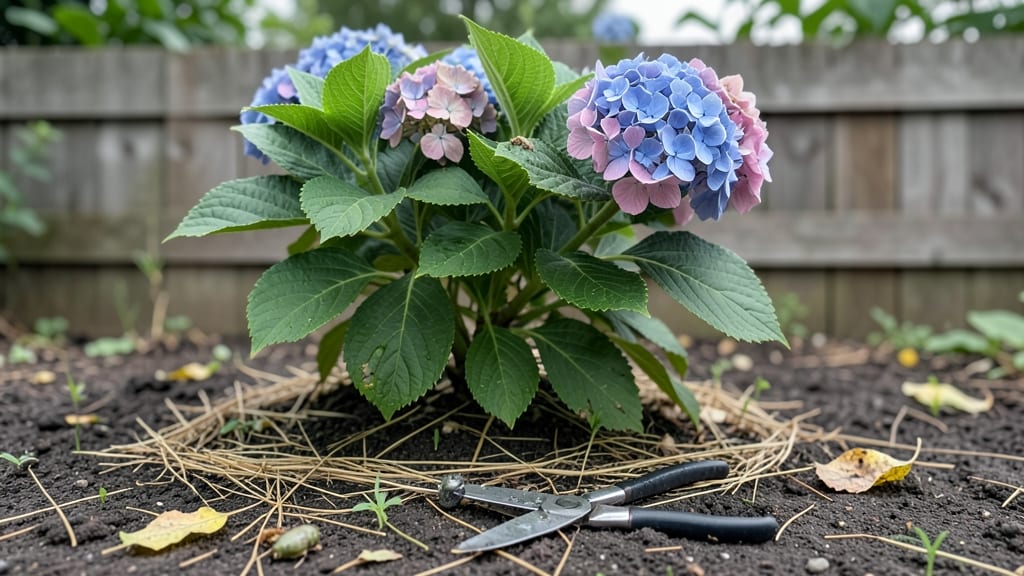
Pruning flowering plants isn’t just about cutting back—it’s the secret to longer, showier blooms all season. I’ve spent years watching my roses and hydrangeas go from straggly to stunning after just a few strategic snips, and the best part?
You don’t need a green thumb to do it right. The key is timing: deadhead spent blooms to encourage new growth, prune shrubs in late winter before buds swell, and never cut into old wood unless you’re reviving a neglected plant.
One wrong move can stress a plant, but the right technique turns pruning into a game-changer for your garden’s curb appeal.
Start with the basics: sharp pruners (dull blades tear stems), gloves (thorns and sap are real), and a bucket for clippings. For most flowering plants, the rule is simple—cut just above a leaf node or bud, making angles that let water run off.
Roses need a third of their height removed in early spring, while perennials like coneflowers only need deadheading. The goal isn’t to shape like a topiary artist; it’s to open up the plant’s center so air circulates and sunlight reaches the inner branches.
That’s how you get those bold, bushy blooms instead of sparse, leggy stems.
Here’s the payoff: properly pruned plants rebound faster after winter, resist disease better, and produce 20-30% more flowers than neglected ones. My hydrangeas now bloom in dense clusters instead of sparse stems, and my roses stay compact enough to reach every bloom without a ladder.
The best part? You’ll notice the difference within two to three weeks of pruning—new growth is visible, and buds form faster than you’d expect. Even if you’ve avoided pruning before, this method is beginner-friendly once you know the basics.
Whether you’re tackling roses, shrubs, or perennials, the principles stay the same—just adjust the timing. Spring is for shaping, summer is for deadheading, and late fall is for cleaning up.
Grab your tools, and let’s get those plants looking their absolute best. Your garden will thank you with nonstop color from spring to frost.
📚 In This Guide
- What you need
- Instructions
- Tips and common mistakes
- Wrapping up and next steps
What you need
- ● Pruning shears: Bypass pruners (for clean cuts on stems <1/2 inch thick). Choose high-quality, stainless steel blades (e.g., Felco or Fiskars).
- ● Hand pruners: Anvil pruners (for thicker stems up to 3/4 inch). Opt for ergonomic handles to reduce hand fatigue.
- ● Loppers: For stems 10-12 inch blade for leverage.
- ● Pruning saw: For branches >2 inches thick. A curved-tooth saw (like those from Corona) prevents tear-out.
- ● Gloves: Heavy-duty, gardening gloves (e.g., Mechanix or leather) to protect against thorns and blisters.
- ● Disinfectant: 70% isopropyl alcohol or a bleach solution (1 part bleach to 9 parts water) to sterilize tools between cuts.
- ● Sharpener: A file or sharpening stone to maintain blade edges.
- ● Twine or zip ties: For securing large branches temporarily.
- ● Plant sealant: Pruning wax (e.g., Tanglefoot) to coat cuts and prevent disease.
- ● Ladder or stool: For reaching high branches safely.
- ● Notebook & pen: To jot down pruning notes or track plant growth.
- ● Knowledge: Research your plant’s specific pruning needs (e.g., deadheading vs. structural pruning).
- ● Timing: Prune at the right season (e.g., early spring for most flowering plants, after blooming for perennials).
- ● Weather: Choose a dry, overcast day to minimize stress on the plant.
Instructions for pruning flowering plants to maximize beauty and growth
Pruning isn't just about cutting back—it's about sculpting your plants for vibrant, long-lasting blooms.
Identify the Right Time to Prune
Timing is everything when it comes to pruning flowering plants. For spring-blooming varieties like lilacs or azaleas, prune immediately after they finish flowering—this ensures you don’t accidentally remove next year’s buds, which form on old wood. Summer-bloomers like roses or hydrangeas, on the other hand, need pruning right after they bloom to encourage a second flush of flowers.
Here's the thing—if you prune too early, you risk cutting off potential blooms. If you wait too long, the plant may have already set buds for the next season. Watch for the first signs of spent blooms or leggy growth as your cue. Pruning at the right time keeps your plants looking full and encourages more flowers.
Gather Your Tools and Prepare the Plant
You’ll need sharp, clean pruning shears to make precise cuts without damaging the plant. Dull tools crush stems, which can invite disease. I always wipe the blades with rubbing alcohol between cuts to keep them sterile. Before you start, take a step back and observe the plant’s structure—look for dead, diseased, or crossing branches that need removal first.
Remove any flowers that have already bloomed or are wilted. These spent blooms drain energy from the plant, so cutting them off redirects that energy to new growth. If your plant has leggy stems reaching outward, these are prime candidates for pruning too. The goal is to shape the plant while keeping it balanced and full.
Make Clean Cuts at the Right Spots
When pruning, always cut just above a leaf node or bud, at a 45-degree angle. This angle helps water run off the cut instead of pooling, which can rot the stem. Avoid cutting too close to the bud—leave about ¼ inch of stem above it to protect the new growth. If you’re pruning a long, leggy stem, cut it back to a strong branch or bud that’s growing outward from the center of the plant.
Never leave stubs—these can trap moisture and lead to infections. If you’re unsure where to cut, imagine the plant as a sculpture. You’re removing what doesn’t contribute to its shape or health while highlighting its best features. Think of it as giving your plant a fresh, polished look.
Thin Out Crowded Areas for Better Airflow
Flowering plants need good airflow to stay healthy and prevent diseases like powdery mildew. If you notice branches rubbing against each other or the center of the plant is too dense, it’s time to thin out. Focus on removing the smallest, weakest stems first—these are often the ones competing for sunlight and nutrients. Aim to create an open, airy structure that lets light reach all parts of the plant.
This is where pruning gets exciting—you’re not just cutting back, you’re shaping the plant’s future. By thinning out crowded areas, you encourage stronger growth and more abundant blooms. Plus, your plant will look fuller and more vibrant because light and air can move freely through its structure.
Encourage New Growth with Strategic Pruning
After you’ve removed dead, diseased, or overcrowded branches, look for opportunities to stimulate new growth. If your plant has long stems with few leaves, cutting them back by about one-third can encourage bushier growth. For shrubs, prune the outer branches to shape the plant and open up the center, which often becomes bare over time.
Real talk: Pruning isn’t always about drastic cuts. Sometimes, a little trim here and there makes all the difference. Watch your plant’s response after pruning—if it looks stressed, you may have cut too much. But if you see fresh, new leaves emerging within a few weeks, you’ve done it right. This is your reward for a job well done.
Tips & tricks for pruning flowering plants
Pruning flowering plants transforms them from ordinary to extraordinary—here’s how to elevate your gardening game with these game-changing techniques.
Timing is Everything: In Step 1, when you’re pruning spring-bloomers like lilacs or azaleas, don’t wait until summer! The moment those last blooms fade is your cue. For summer-bloomers like roses, prune immediately after their first flush of flowers to trigger that second burst of color. I’ve seen gardeners miss this window and end up with sparse blooms the next season—don’t let that be you!
Tool Maintenance Matters: Step 2 emphasizes sharp, clean pruning shears, but here’s the secret: don’t just wipe them with water. Keep rubbing alcohol handy to sterilize blades between cuts, especially when moving from diseased to healthy branches. I learned this the hard way after accidentally spreading powdery mildew between plants. Trust me, a few seconds of extra prep saves hours of regret later.
Cutting Technique Secrets: The 45-degree angle in Step 3 isn’t just about aesthetics—it’s about plant health. This angle prevents water from pooling on the cut, which can lead to rot. When cutting back leggy stems, aim to leave a bud that faces outward from the center. This creates a fuller, more balanced plant shape. Think of it like sculpting: you’re removing what doesn’t contribute to the masterpiece.
Strategic Pruning for New Growth: In Step 5, when you’re cutting back long stems by one-third, here’s my pro tip: focus on the oldest stems first. These have already done their job producing flowers and are often the ones causing the plant to sprawl. By removing them, you’re telling the plant to redirect its energy to newer, more vigorous growth. It’s like giving your plant a fresh start—watch those new leaves emerge within weeks!
Pro Tips for Prune Flowering Plants
- Pruning flowering plants transforms them from ordinary to extraordinary—here’s how to elevate your gardening game with these game-changing techniques.
- Timing is Everything: In Step 1, when you’re pruning spring-bloomers like lilacs or azaleas, don’t wait until summer!
- Tool Maintenance Matters: Step 2 emphasizes sharp, clean pruning shears, but here’s the secret: don’t just wipe them with water.
Frequently asked questions
Got questions about pruning flowering plants? You’re not alone! Here are answers to the most common concerns—so you can prune with confidence and keep those blooms coming.
When is the best time to prune flowering plants?
The timing depends on your plant! Spring-flowering plants (like lilacs or azaleas) should be pruned right after blooming to avoid cutting off next year’s buds. For summer/fall bloomers (e.g., roses or hydrangeas), prune in early spring or after flowering. Always avoid pruning when buds are forming!
How much should I cut back flowering plants?
Start with 1/3 of the plant’s height or volume—never more than that in one go. Look for dead, diseased, or crossing branches first, then thin out crowded stems to improve airflow. For example, roses thrive with 1/3 to 1/2 removed, while impatiens benefit from a light trim to encourage bushiness.
What if I prune at the wrong time and my plant stops flowering?
Don’t panic! Most flowering plants are resilient. If you pruned too late (e.g., cutting back spring bloomers in summer), they may skip a season—but they’ll bounce back. Focus on healthy growth next year by fertilizing lightly and watering consistently. For severe cases, use bloom-boosting fertilizer in early spring.
Can I prune flowering plants in winter?
Winter pruning is tricky! Avoid heavy cuts when plants are dormant (Dec–Feb), as it can stress them. However, you can remove dead or broken branches anytime. For tropical plants (like bougainvillea), wait until late winter before the growing season starts. Always use clean, sharp tools to prevent disease.
What’s the difference between pruning and deadheading?
Pruning
shapes the plant and removes large branches for health, while deadheading is the quick fix for spent blooms. Snip off just the faded flower (or the stem below it) to encourage more blooms. For example, marigolds and zinnias love deadheading, but roses need a deeper prune. Think of it as pruning = surgery, deadheading = manicure!
Wrapping up and next steps
Pruning flowering plants is your secret to vibrant, long-lasting blooms—just remember to time it right, use the right tools, and focus on healthy growth. Whether you’re shaping shrubs, deadheading annuals, or rejuvenating perennials, a little effort now means a showstopping garden all season.
Don’t let hesitation hold you back—grab those shears and get pruning!
Ready to take it further? Experiment with different techniques or research plant-specific pruning guides to tailor your approach. Your garden’s next masterpiece starts with one confident snip! 🌸✂️