
Aphids
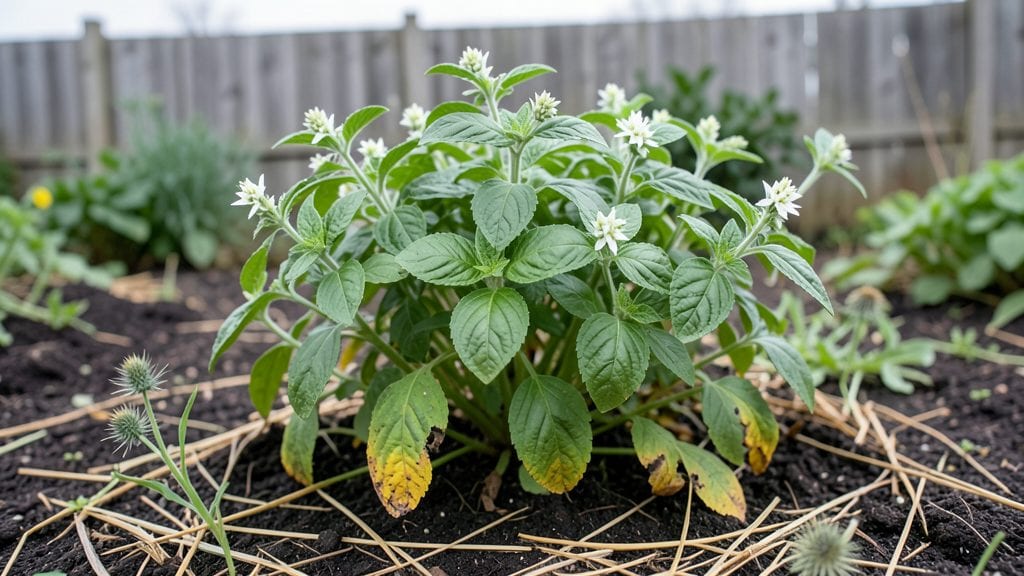
When basil has flowered, don’t panic—this is fixable. ✨ I’ve saved more potted basil plants than I can count by acting fast, and the secret is all about pruning and adjusting care to reset growth.
The flowers might look pretty, but they signal your plant is shifting energy from leaves to seeds, which means weaker flavor and fewer harvests.
Flowering usually happens when light is too intense, days get longer, or the plant feels stressed from inconsistent watering. My first year, I ignored it until the leaves turned bitter—now I check for buds every week and prune them off immediately.
The goal is to trick the plant back into leaf production by focusing its energy where you want it.
Within days of proper pruning and balanced care, you’ll see fresh green growth at the stems’ base. Keep the soil moist but not soggy, move the pot to partial shade if outdoors, and pinch off any new flowers that appear.
Your basil will bounce back with tender, fragrant leaves perfect for cooking.
This works for both container basil and in-ground plants, though potted varieties recover faster. The key is catching it early—once the plant sets seed, it’s time to compost and start fresh. But with quick action, you’ll be harvesting again in no time.
The Hidden Triggers Behind Premature Blooms
When your basil suddenly sends up those delicate white or purple flowers, it’s not just a sign of maturity—it’s a cry for help from your plant. 🌱 Understanding the root causes can help you prevent this issue in future harvests and even save your current crop.
Here’s why basil flowers early, and what’s really going on in its leaves and stems.
Basil is a tender annual that thrives in warm but stable conditions. When temperatures soar above 90°F (32°C) or drop below 50°F (10°C), your plant perceives stress. This triggers a survival response: flowering.
Extreme heat accelerates metabolism, forcing the plant to shift energy from leaf growth to reproductive cycles. Even nighttime temperature drops can send mixed signals, confusing the plant’s internal clock (called vernalization).
Actionable science:
- Daytime ideal: Keep basil in 70–85°F (21–29°C) during the day.
- Nighttime ideal: Avoid drops below 60°F (15°C)—use row covers or shade cloth if needed.
- Watch for: Drooping leaves or curled edges (early heat stress signs).
Basil needs 6–8 hours of direct sunlight daily to stay lush and leafy. But when daylight hours shorten (like in late summer or early fall), or if your plant is overcrowded under artificial grow lights, it senses approaching winter and rushes to flower.
This is tied to the plant’s photoperiodism—its internal response to light duration. Even 12+ hours of light can trigger flowering in some varieties.
Actionable science:
- Outdoor basil: Move pots to sunnier spots (south-facing windows or balconies).
- Indoor basil: Supplement with a full-spectrum LED grow light (12–14 hours/day).
- Prune strategically: Thin out lower leaves to improve air circulation and light penetration.
Basil has shallow roots and relies on consistent moisture. When soil dries out completely, the plant conserves water by sending energy to seeds (flowering). Conversely, overwatering can lead to root stress, triggering a similar survival response.
Even uneven watering (like letting the topsoil dry but keeping lower layers wet) creates root oxygen deprivation, signaling distress.
Actionable science:
- Water deeply: Soak the soil until water drains from the bottom (1–2 inches per week, depending on climate).
- Avoid soggy soil: Use pots with drainage holes and a well-draining mix (50% potting soil, 30% perlite, 20% compost).
- Check moisture: Stick your finger 1 inch into the soil—if it’s dry, water.
Nitrogen is basil’s growth hormone. When levels are low, the plant prioritizes reproduction over leaf production. But here’s the twist: too much nitrogen (from over-fertilizing) can also cause flowering by disrupting the plant’s natural hormone balance (specifically, cytokinins and gibberellins).
Additionally, phosphorus-heavy fertilizers (common in bone meal or superphosphate) push plants toward flowering.
Actionable science:
- Feed lightly: Use a balanced fertilizer (10-10-10) every 3–4 weeks during the growing season.
- Avoid high-phosphorus feeds: Skip bone meal or bloom-boosting fertilizers.
- Test your soil: A simple DIY soil test kit can reveal nitrogen levels (ideal: 100–150 ppm).
When aphids, spider mites, or whiteflies attack basil, they sap nutrients and inject toxins that trigger stress hormones (jasmonic acid). This forces the plant to reallocate energy to defense mechanisms—including flowering. Even mechanical damage (like rough handling or hail) can send similar signals.
Actionable science:
- Inspect regularly: Check undersides of leaves for pests (use a magnifying glass if needed).
- Blast pests off: Spray with water or use neem oil (1 tsp per quart of water, spray every 5 days).
- Encourage predators: Attract ladybugs or lacewings with companion plants like marigolds.
Revive Your Basil Quickly
When your basil has bolted—those telltale flowers signaling the end of its prime—don’t toss it just yet! With the right steps, you can still salvage flavorful leaves and even prevent future bolting.
Below are practical, step-by-step solutions tailored to the most common causes, plus tips to keep your basil thriving for months to come.
Fix it: Trim the flowers and focus on cooling the plant.
- 🔪 Prune Aggressively
- Use clean, sharp scissors to snip off flower stems at the base (where they meet the main stem). This redirects energy back to leaf production.
- Pro tip: 💡 Cut just above a leaf node (the bump where new growth emerges) to encourage bushier regrowth.
- 🌡️ Adjust Growing Conditions
- Move your basil to a shadier spot (morning sun + afternoon shade works best). Avoid harsh afternoon rays, which accelerate bolting.
- If growing in pots, place a tray of water nearby to increase humidity—dry air stresses plants.
- ⏰ Reset with a Cold Snap (Optional)
- Basil thrives in 60–75°F (15–24°C). If temps soar above 80°F (27°C), try moving it indoors overnight for a few days to shock it into slower growth.
Prevent future bolting:
- Plant basil in late spring or early summer (after the last frost) to avoid early heat waves.
- Use lightweight row covers for young plants if your climate has unpredictable heat spikes.
Fix it: Thin out the plant and improve ventilation.
- 👨🍳 Prune for Spacing
- Remove 1/3 of the plant’s foliage, focusing on crowded stems. This improves airflow and reduces competition for nutrients.
- Pro tip: 🌡️ If leaves look yellow or wilted, trim those first—they’re signs of stress.
- 🌬️ Boost Air Circulation
- Space plants 12–18 inches apart (or thin seedlings to this spacing).
- If growing in pots, place a small fan nearby (on low) to mimic gentle breeze—this prevents fungal issues and bolting.
- 🍽️ Harvest Regularly
- Pinch off top leaves every 2–3 weeks to encourage bushier growth. This keeps the plant focused on leaves, not flowers.
Prevent future issues:
- Start with larger pots (at least 6 inches deep) to avoid root-bound stress.
- Avoid fertilizing heavily before transplanting—too much nitrogen can lead to leggy, stressed plants.
Fix it: Extend the growing season or adjust light exposure.
- 💡 Supplement Light Indoors
- If moving basil inside, place it near a south-facing window or under a grow light (12–14 hours of light daily).
- Pro tip: ✨ Use a timer for grow lights to mimic natural daylight cycles.
- 🌍 Adjust Outdoor Planting Time
- Basil bolts when days get longer (typically in late summer). Plant new seeds every 2–3 weeks for a continuous harvest.
- For fall/winter growing, use black fabric row covers to block extra daylight if needed.
- 🥗 Harvest Before Bolting (Best Defense)
- If you notice buds forming, harvest leaves aggressively—this can delay flowering by 1–2 weeks.
Prevent future bolting:
- Choose bolting-resistant varieties like ‘Genovese’ or ‘Sweet Basil’ for longer harvests.
- In hot climates, grow basil in partial shade from mid-summer onward.
If your basil is fully bolted but still has green leaves:
- 🍃 Harvest Leaves Immediately – Flowering reduces flavor, but leaves are still edible (though less potent).
- 🌱 Propagate from Cuttings – Snip healthy stems, remove flowers, and root in water or soil to grow new plants.
- 🍅 Use Flowers in Cooking – Basil flowers are edible and delicious! Toss them into salads, pesto, or garnishes for a mild, floral note.
Final Tip: 🎯 Bolting isn’t a death sentence—it’s a sign your basil is mature. With these fixes, you can extend its life, salvage flavor, and even grow new plants from cuttings. Happy gardening!
Frequently asked questions
Why does my basil suddenly start flowering?
Basil flowers when it senses stress from extreme heat (above 90°F), inconsistent watering, or long daylight hours (12+ hours). These conditions trick the plant into thinking it's time to reproduce instead of growing leaves. Even nutrient imbalances or pests can trigger this response.
Can I still use basil leaves after it flowers?
Yes! While the flavor becomes milder, the leaves remain edible. Harvest them immediately to prevent further bitterness. For best results, use them in dishes where strong flavor isn't critical, like soups or light salads. The flowers are also edible and add a delicate floral note to garnishes.
How do I prune basil to stop flowering?
Use clean scissors to cut off flower stems at the base where they meet the main stem. For best results, trim just above a leaf node (the bump where new growth emerges). This redirects the plant's energy back to leaf production. Repeat weekly if new flowers appear. Regular pruning also encourages bushier growth.
Will removing flowers make my basil grow back stronger?
By removing flowers, you're telling the plant to focus on leaf production rather than seed development. Within 5-7 days, you should see new growth emerging from the stem nodes. Pair this with proper care (consistent watering, 6-8 hours of sunlight) to maximize recovery. The key is acting quickly before the plant sets seed.
Can I save my flowering basil for next season?
Yes, through propagation! Take 4-inch cuttings from healthy stems below the flowers, remove any buds, and root them in water or soil. These new plants will grow without flowers if given proper care. For best results, start this process in early fall before temperatures drop below 50°F. This gives you fresh basil for next season's growing cycle.