
Plants
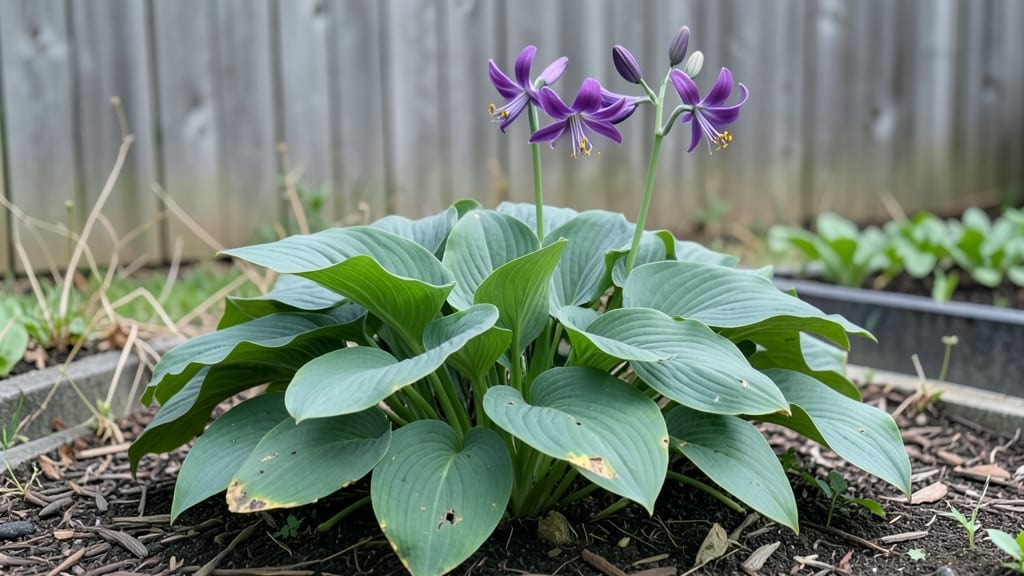
Green hosta with purple flowers transforms shady corners into showstopping gardens. 🌿 I fell in love with this plant after seeing how it brightened my darkest garden nook—its deep green leaves contrast perfectly with the striking lavender blooms, creating a bold yet elegant look.
The best part? It thrives where most plants struggle, giving you effortless beauty without the fuss. This hosta isn't just pretty—it's a workhorse. Plant it in borders to anchor shady beds, tuck it into containers for patio drama, or let it spread naturally under trees.
The purple flowers appear in late summer, adding unexpected color when other plants are fading. Plus, it handles deer and rabbits better than most shade plants, so you won’t lose it to hungry critters.
You’ll notice how this hosta elevates any design scheme—purple flowers pair beautifully with white, silver, or deep burgundy foliage, while the green leaves ground more vibrant colors. It even adds texture contrast when mixed with ferns, astilbes, or heucheras.
The key is giving it 3-4 hours of filtered light and moist, well-draining soil—then stepping back and enjoying the show. Works in every shady spot, from woodland gardens to city patios. Let’s talk placement and pairing for maximum impact!
📚 In This Guide
- What you need
- Instructions
- Tips and common mistakes
- Wrapping up and next steps
What you need
- ● Hosta plant (look for varieties like Hosta 'Royal Standard' or 'June'—both feature green leaves with purple flowers!)
- ● Well-draining potting soil (5-10 gallons, depending on pot size) or garden soil amended with compost (1 part compost to 3 parts soil).
- ● Container or garden bed (12"+ depth for pots; partial to full shade for garden beds).
- ● Organic mulch (2-3 inches of shredded bark or leaves to retain moisture).
- ● Balanced, slow-release fertilizer (10-10-10 or 20-20-20, 1-2 tbsp per plant at planting time).
- ● Watering can or hose with gentle spray nozzle (Hostas love moisture but hate soggy roots!).
- ● Slow-release fertilizer spikes (for mid-season feeding).
- ● Decorative stones or pebbles (to enhance drainage and aesthetics).
- ● Plant supports or stakes (if your Hosta grows tall—though most stay compact!).
- ● Garden gloves (to protect your hands from soil and sharp mulch).
- ● Pruning shears (for tidying up spent flowers or dividing mature plants).
Step-by-Step guide to planting and caring for green hosta with purple flowers
Here's how to grow this stunning shade-lover with minimal fuss—just follow these simple steps.
🌱 Step 1: Choose the Perfect Planting Spot
Hostas with purple flowers adore partial to full shade, so pick a location that gets 3-6 hours of dappled sunlight daily. Too much sun causes leaf scorch, while deep shade makes flowers sparse. I always test the spot by watching how light moves through the area—if it’s consistently dim, this hosta will thrive there.
Check the soil drainage by digging a small hole. If water pools after 30 minutes, amend the area with 2-3 inches of compost to improve drainage. Hostas hate soggy roots, so this small effort prevents future problems. The ideal spot should feel moist but not wet when you squeeze a handful of soil.
🪴 Step 2: Prepare the Soil and Plant
Loosen the soil in a 12-inch wide hole—hostas spread, so give them room to grow. Mix 1 cup of balanced 10-10-10 fertilizer into the soil at the bottom of the hole to give your plant a nutrient boost right away. This ensures strong root development from the start.
Place the hosta so the top of the root ball sits just below soil level—burying it too deep can cause rot, while planting too high stresses the plant. Gently backfill with soil and firm it lightly around the base. Water deeply to settle everything in place. You’ll know it’s right when the soil looks evenly moist but not muddy.
💧 Step 3: Water Consistently and Mulch
Water your hosta 1-2 times per week, depending on rainfall, to keep the soil evenly moist but not soggy. The key is consistency—hostas wilt quickly in dry soil but also suffer in waterlogged conditions. I test moisture by sticking my finger 2 inches deep into the soil; if it feels dry, it’s time to water.
Spread 2-3 inches of mulch around the base, keeping it 2 inches away from the stem to prevent rot. Organic mulch like shredded bark or pine needles helps retain moisture and suppresses weeds. Refresh the mulch every spring to keep the soil cool and protected.
✂️ Step 4: Fertilize and Prune for Healthy Growth
Feed your hosta twice a year—once in early spring with a balanced fertilizer and again in mid-summer with a low-nitrogen, high-phosphorus formula to encourage blooming. I avoid high-nitrogen fertilizers in summer, as they promote leaf growth at the expense of flowers. Look for signs of yellowing leaves as a cue to fertilize—this usually means nutrients are running low.
Deadhead spent flower stalks in late summer to redirect energy into next year’s blooms. Cut back any yellow or damaged leaves in early fall to keep the plant tidy. Hostas are hardy, so they’ll bounce back beautifully with minimal pruning.
☀️ Step 5: Overwinter and Enjoy Year-Round Beauty
Hostas are cold-hardy and need no special winter care in most climates. A 3-inch layer of mulch in late fall protects roots from freezing and thawing cycles. If your winters are brutal (below 10°F), add an extra layer of straw mulch for insulation.
Your hosta will reward you with lush green foliage year-round and striking purple flowers in summer. Watch for slugs in spring—they adore tender new growth. A beer trap (bury a shallow dish of beer near the plant) keeps these pests away without chemicals.
Tips & tricks for perfect green hosta with purple flowers
These simple tricks will help your hosta thrive and put on a stunning show of purple blooms year after year.
Soil Preparation Secret: The 30-minute drainage test in Step 1 is your best friend. If water lingers, mix in additional compost until the soil feels like a damp sponge—not a puddle. I’ve seen hostas struggle when planted in heavy clay, so don’t skip this step even if your soil looks fine. The right drainage prevents root rot, which is silent but deadly for these shade lovers.
Planting Depth Matters: When placing your hosta in Step 2, imagine the root ball sitting just below soil level like a submarine beneath the ocean surface. Too deep? Roots suffocate. Too high? The plant gasps for stability. Press the soil gently around the base—it should feel firm but not compacted. A little wiggle test after watering confirms it’s settled properly.
Watering Wisdom: Those 1-2 weekly waterings in Step 3 are a guideline, not a rulebook. Check soil moisture at the 2-inch depth mark—if it’s dry, water thoroughly until moisture reaches 4-6 inches down. I’ve learned the hard way that hostas hate soggy feet but also wilt dramatically when thirsty. Consistency is key, but adapt to your climate.
Winter Protection: That 3-inch mulch layer in Step 5 works wonders, but for winters below 10°F, I double down with straw mulch. Think of it like tucking your hosta in with a cozy blanket—it insulates against temperature swings that can damage roots. The extra layer pays off in spring with vigorous new growth.
Pro Tips for Green Hosta With Purple Flowers
- These simple tricks will help your hosta thrive and put on a stunning show of purple blooms year after year.
- Soil Preparation Secret: The 30-minute drainage test in Step 1 is your best friend.
- Planting Depth Matters: When placing your hosta in Step 2, imagine the root ball sitting just below soil level like a submarine beneath the ocean surface.
Frequently asked questions
Got questions about your green hosta with purple flowers? You're not alone! Whether you're a new plant parent or a seasoned gardener, these common queries can help you keep your shade-loving stunner thriving. Dive into the answers below:
What’s the best way to care for a green hosta with purple flowers in containers?
Container hostas need well-draining soil mixed with compost and a 50% shade spot. Water when the top inch of soil feels dry—overwatering can cause root rot. Use a pot with drainage holes and refresh the soil annually to replenish nutrients. Pro tip: Add a layer of mulch to retain moisture and keep roots cool!
When do green hostas with purple flowers bloom, and how long does it last?
These beauties typically bloom in late spring to early summer, with purple flowers lasting 4-6 weeks. If blooms are sparse, it might signal too much shade or over-fertilizing. Deadhead spent flowers to encourage a second, smaller flush later in the season.
Are there alternatives to green hosta with purple flowers for shade gardens?
Try Hosta 'Blue Angel' (blue-green leaves), Hosta 'Halcyon' (lavender blooms), or Hosta 'Francee' (chartreuse leaves with lavender flowers). For non-hostas, consider heuchera (coral bells) or astilbe—both thrive in shade and add color.
Why are my hosta leaves turning yellow or developing holes?
Yellowing leaves often mean overwatering or poor drainage, while holes suggest slugs or snails. Check soil moisture and repot if needed. For pests, use organic slug bait or copper barriers. Avoid chemical pesticides—they can harm beneficial insects!
Can green hostas with purple flowers handle full sun?
While they tolerate partial sun (3-6 hours/day), full sun can scorch leaves and fade colors. In hot climates, provide morning sun + afternoon shade. If leaves bleach, move to a shadier spot. Pro tip: Gradually acclimate hostas to more sun over weeks!
Wrapping up and next steps
Incorporating a green hosta with purple flowers into your garden is a game-changer—it’s low-maintenance, shade-tolerant, and bursts with vibrant color while attracting pollinators. Whether you’re a seasoned gardener or just starting, this plant proves that stunning landscapes don’t require full sun or constant effort. 🌿✨
Ready to elevate your outdoor space? Start small—plant one in a shady spot, observe its growth, and soon, you’ll be expanding your collection with confidence! Share your progress or ask questions in gardening forums for extra tips.