
Plants
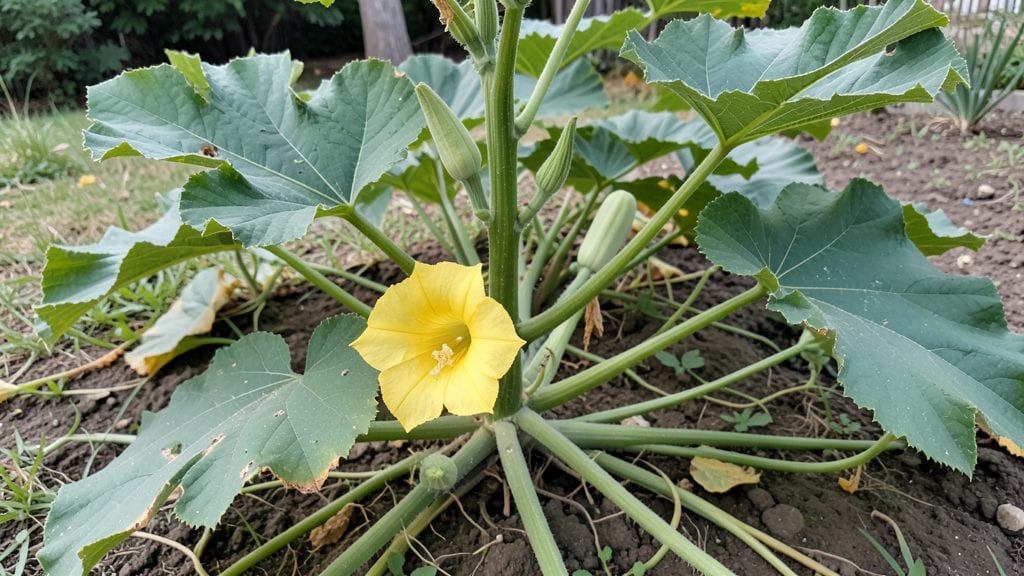
Growing yellow-flowered gourds transforms your garden into a sunlit jungle of golden blooms and sprawling vines. 🌻 I’ll never forget the first time I watched those bright flowers unfurl in July—it was like summer had arrived in full force.
These gourds aren’t just pretty; they’re productive, too, offering both edible fruit and striking ornamental value.
Start with well-draining soil and a sunny spot—at least 6 hours of direct light daily—and give them space to roam. Trellises or fences work wonders for controlling their spread, while consistent watering (about 1 inch per week) keeps those vines thriving.
The real magic happens when you let them climb, turning ordinary garden corners into lush, golden displays by late summer.
📚 In This Guide
- What you need
- Instructions
- Tips and common mistakes
- Wrapping up and next steps
What you need
- ● Seeds: 5–10 yellow flowered gourd seeds (e.g., 'Cushaw,' 'Straightneck,' or 'Banana' varieties). Choose heirloom or organic for best results!
- ● Potting mix: 1–2 gallons of seed-starting mix (sterile, well-draining). Avoid garden soil—it’s too compact for sprouts!
- ● Containers: 3–5 biodegradable seed pots (3–4" diameter) or a seed tray with individual cells.
- ● Grow lights or sunny windowsill: A full-spectrum LED grow light (12–16 hours/day) or a south-facing window (60°F+).
- ● Fertilizer: Balanced organic fertilizer (5-5-5 or 10-10-10) or compost tea for seedlings.
- ● Trellis or support: A 5–6 ft tall trellis (metal, wood, or sturdy stakes) for climbing vines. Add twine or garden twine for guidance.
- ● Mulch: Straw or wood chips (2–3 inches thick) to retain moisture and suppress weeds.
- ● Hand trowel (for transplanting seedlings).
- ● Watering can with a rose nozzle (gentle watering avoids seedling damage).
- ● Pruning shears (to trim vines and encourage bushier growth).
- ○ Gloves (optional—gourd vines can be prickly!).
- ● Row cover fabric (if planting in cooler climates; protects from frost).
- ● Harvest basket or cloth bag (gently cradle gourds to avoid bruising).
Step-by-Step instructions for growing yellow flowered gourds
Here’s how to cultivate these vibrant vines for stunning blooms and plentiful harvests.
🌱 Step 1: Choose the Perfect Planting Spot
Yellow flowered gourds thrive in full sun, so pick a location that gets at least 6-8 hours of direct sunlight daily. I always look for a south- or west-facing spot in my garden—this ensures the vines get the warmth they need for strong growth. Avoid shady areas; gourds will produce fewer flowers and smaller fruits if they don’t get enough light.
If you’re growing in containers, place them where they’ll receive consistent sunlight. A balcony or patio with afternoon sun works well. The key is to watch the vines over a week—if they start stretching toward the light or look pale, move them closer to the sun.
🪴 Step 2: Prepare the Soil and Plant Seeds
Gourds need well-draining soil rich in organic matter. Amend your garden bed with 2-3 inches of compost before planting to improve fertility and drainage. If your soil is heavy clay, mix in 1 part perlite or coarse sand to help roots breathe. I also add a handful of balanced fertilizer (10-10-10) at planting time to give the vines a nutrient boost.
Plant seeds 1 inch deep after the last frost when soil temperatures reach 60°F or warmer. Space seeds 6-8 inches apart in rows 3-4 feet apart to give vines room to sprawl. If you’re growing in containers, use 5-gallon pots for each plant—gourds have long roots and need space. Water gently after planting to settle the soil.
💧 Step 3: Water and Support the Vines
Keep the soil consistently moist but not soggy—gourds hate waterlogged roots. Water deeply 2-3 times per week, giving 1-2 gallons per plant each time. You’ll know it’s enough when the top 2 inches of soil feel slightly damp. Mulch around the base with 2-3 inches of straw or shredded leaves to retain moisture and suppress weeds.
As the vines grow, they’ll need support. Install a trellis, fence, or sturdy stakes near the planting area early on. Gourds can grow 10-20 feet long, so secure the trellis firmly. Train the vines upward as they grow—this keeps fruits off the ground, reduces disease risk, and makes harvesting easier. Prune side shoots to encourage stronger main vines if needed.
☀️ Step 4: Fertilize and Encourage Flowering
Once the vines start flowering, switch to a low-nitrogen fertilizer like 5-10-10 to promote fruit production. Apply it every 4-6 weeks during the growing season. I also add compost tea occasionally to give the plants a natural nutrient boost. Avoid over-fertilizing—too much nitrogen will make the vines leafy but reduce flowering.
Watch for yellow blooms—these appear 6-8 weeks after planting. Hand-pollinate if needed by transferring pollen from male to female flowers with a small brush (female flowers have tiny gourds at their base). This step isn’t always necessary, but it helps ensure a better harvest, especially in cool or rainy weather.
✂️ Step 5: Harvest and Maintain Through the Season
Harvest gourds when the vines stop producing new flowers and the fruits feel firm. Use pruning shears to cut stems, leaving 1 inch of stem attached. Remove any overripe or diseased fruits immediately to prevent pests. Store harvested gourds in a cool, dry place with good airflow—they’ll keep for several months if dried properly.
Continue deadheading spent blooms to encourage more flowers. If frost threatens before the season ends, cover young vines with row covers or blankets to protect them. With proper care, your yellow flowered gourds will reward you with vibrant blooms and delicious harvests all season long.
Tips & tricks for perfect yellow flowered gourd cultivation
Growing these sun-loving vines successfully comes down to a few key tricks that make all the difference between a modest harvest and a thriving garden.
Sunlight Strategy: Those 6-8 hours of direct sunlight in Step 1 are absolutely critical. I’ve seen gourds in partial shade produce only 20% of the flowers they would in full sun. If your garden gets less than 6 hours, consider using reflective surfaces like white walls or mirrors to bounce extra light onto the vines during peak afternoon hours. Morning sun is great, but the intense afternoon rays are what really fuel those vibrant yellow blooms.
Soil Preparation Secret: Don’t skip that 2-3 inches of compost in Step 2—it’s not just about nutrients. The compost helps create the perfect air pockets in the soil that gourd roots absolutely love. I’ve noticed that plants in amended soil develop roots twice as fast. For heavy clay soils, mix in perlite at a 1:1 ratio with the top 6 inches of soil, not just the surface layer. This creates drainage channels that prevent waterlogging, which is deadly for gourd roots.
Watering Wisdom: The 2-3 times per week watering schedule in Step 3 works perfectly in most climates, but timing matters more than frequency. Always water in the early morning so the leaves have all day to dry—this dramatically reduces powdery mildew risk. I’ve found that using a soaker hose placed at the base of the vines delivers water exactly where the roots need it, without wetting the leaves. This simple setup saves me hours of hand-watering and keeps my plants healthier.
Support System: That trellis or fence you install in Step 3 isn’t just for aesthetics—it’s a game-changer. When gourds sprawl on the ground, they’re 3 times more likely to develop rot and attract pests. I’ve seen vines reach 15 feet in a single season when properly supported. Start training vines upward within the first week by gently weaving them through the trellis. This encourages stronger stems that can handle the weight of developing fruits.
Pro Tips for Yellow Flowered Gourd
- Growing these sun-loving vines successfully comes down to a few key tricks that make all the difference between a modest harvest and a thriving garden.
- Sunlight Strategy: Those 6-8 hours of direct sunlight in Step 1 are absolutely critical.
- Soil Preparation Secret: Don’t skip that 2-3 inches of compost in Step 2—it’s not just about nutrients.
Frequently asked questions
Got questions about growing and caring for yellow flowered gourds? You’re not alone! Here are some of the most common queries—plus quick, actionable answers to help you cultivate a thriving vine.
How long does it take for yellow flowered gourds to produce fruit?
Most varieties take 70–100 days from planting to harvest, depending on the climate and growing conditions. Warmth (65°F+ consistently) speeds up growth—so if you’re in a short-season area, opt for faster-maturing types like ‘Tennessee Sweet’ (75 days). Patience is key, but watch for male flowers (single stem) to pollinate the female flowers (tiny fruit at the base)!
Can I grow yellow flowered gourds in containers?
Choose a large container (15+ gallons) with drainage holes and a trellis or cage for support. Dwarf varieties like ‘Warty Gourd’ or ‘Apple Gourd’ thrive in pots. Just ensure they get 6+ hours of sun daily and water consistently—containers dry out faster than garden beds. Pro tip: Use a lightweight potting mix with compost to prevent root rot.
Why aren’t my gourds flowering?
Lack of flowers? Check these fixes:
- Not enough sun: Gourds need full sun (6+ hours). Move pots or thin nearby shade sources.
- Temperature shock: Cold nights (<50°F) can stall blooms. Use row covers or wait until soil is warm (60°F+).
- Over-fertilizing: Too much nitrogen = leafy vines, no flowers. Switch to a low-N, high-P fertilizer (like 5-10-10).
- Hand-pollinate: If bees are scarce, use a soft brush to transfer pollen from male to female flowers.
What can I do with yellow flowered gourds besides eating them?
These versatile gourds are artistic goldmines! Try these creative uses:
- Decor: Dry small gourds for wreaths, centerpieces, or rustic wall art.
- Storage: Hollow out larger varieties (like ‘Turk’s Turban’) for bowls or utensil holders.
- DIY Crafts: Carve, paint, or turn them into birdhouses, lamps, or musical instruments.
- Compost: If they’re too tough to use, chop and compost them—nutrient-rich soil booster!
How do I store harvested yellow flowered gourds long-term?
Store gourds in a cool (50–60°F), dry (50–70% humidity), and dark place for 3–6 months. Avoid refrigeration—it speeds up spoilage. Clean with a damp cloth, let dry completely, then store in:
- Cardboard boxes (with ventilation holes).
- Burlap sacks (traditional method).
- Plastic crates (stackable and sturdy).
Warning: Check weekly for soft spots or mold—discard any damaged gourds immediately.
Wrapping up and next steps
Growing a yellow-flowered gourd is a rewarding journey that brings beauty, texture, and delicious harvests to your garden! 🌻 Whether you're a seasoned gardener or a beginner, these sun-loving vines thrive with the right care—think warmth, space, and a little patience.
Now that you’re armed with materials, tips, and answers to common questions, it’s time to roll up your sleeves and watch your garden transform.
Ready to take the next step? Start by planting your seeds or seedlings this season and enjoy the process—from delicate blooms to plump, vibrant gourds. Happy gardening! 🌱