Shrubs
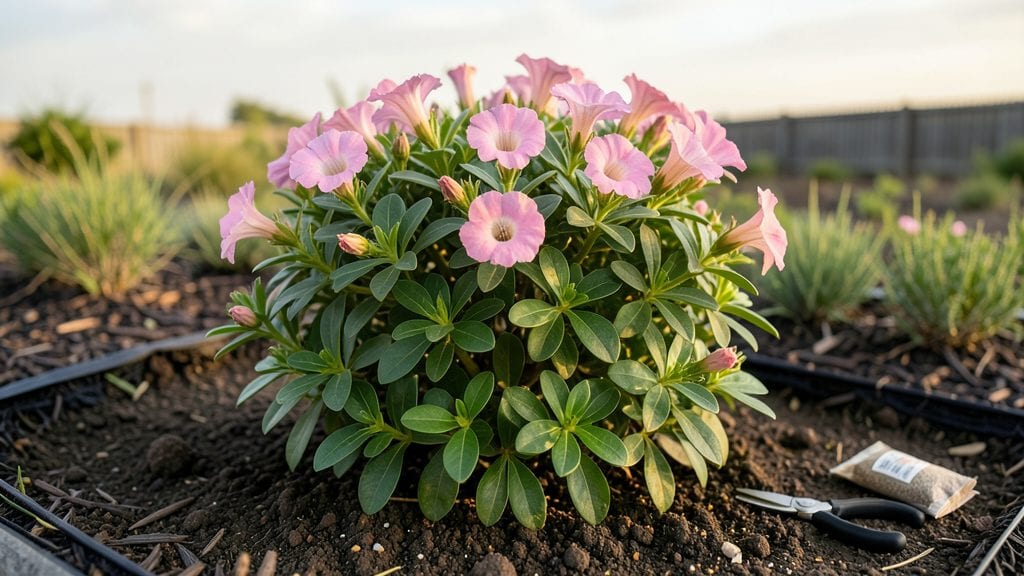
Growing flowering vinca annuals means nonstop color that outlasts most summer flowers. ✨ I’ve seen these tough little plants push through heat waves while others wilt, their glossy leaves and pink, white, or purple blooms refusing to quit until frost.
The secret isn’t complicated—just the right spot, a little patience, and knowing when to step back and let them shine.
These sun-lovers thrive in full sun to partial shade, making them perfect for borders, containers, or hanging baskets where other plants might struggle. They’re not picky about soil either—just ensure it drains well and stays slightly moist but never soggy.
Most nurseries sell them as transplants in spring, and once planted, they’ll reward you with blooms from late spring until fall’s first freeze.
You’ll end up with a low-maintenance display that needs minimal fuss—just occasional deadheading to encourage more flowers and a light fertilizer boost every few weeks. The foliage stays lush even when blooms slow down, and they pair beautifully with salvias, lantanas, or trailing succulents for a carefree, high-impact look.
No wonder gardeners swear by them!
Whether you’re filling gaps in your landscape or adding color to a balcony, vinca annuals deliver foolproof results with almost zero effort. Here’s how to get started—and keep them blooming all season long.
📚 In This Guide
- What you need
- Instructions
- Tips and common mistakes
- Wrapping up and next steps
What you need
- ● Flowering vinca annual seeds – 1 packet (contains ~500 seeds) or 2-3 seedlings per plant.
- ● Well-draining potting mix – 1 bag (12-18 qt) for seed-starting or garden soil amended with compost (for direct planting).
- ● Containers or seed trays – 2-3 small pots (3-4" diameter) or a seed tray with cells (if starting indoors).
- ● Garden bed or landscape area – Full sun (6+ hours/day) and well-draining soil (pH 6.0-7.0).
- ● Organic fertilizer – Balanced (10-10-10) or slow-release granules (1 lb per 10 sq ft).
- ● Hand trowel or transplanting spade – For digging small holes (2-3" deep).
- ● Watering can or hose with a gentle spray nozzle – Keep soil moist but not soggy.
- ○ Gloves – Optional but helpful for handling soil and seedlings.
- ○ Mulch (optional) – 1-2 inches of shredded bark or straw to retain moisture.
- ○ Plant labels (optional) – To track varieties (e.g., ‘Illumination’ or ‘Pacifica’).
- ● Last frost date in your area (vinca thrives in warm soil, ~60°F+).
- ● Patience! Vinca seeds germinate in 10-21 days—stay consistent with moisture.
- ○ Deadhead spent blooms (optional) to encourage nonstop color all season.
Step-by-Step instructions for planting flowering vinca annuals
Here's my go-to method for establishing vibrant vinca plants that bloom nonstop from spring to frost.
🌱 Step 1: Prepare the Planting Site for Optimal Growth
Vinca thrives in well-draining soil with full sun exposure—at least 6-8 hours daily. Choose a location where the soil isn't waterlogged, as vinca roots rot easily in soggy conditions. If your garden soil is heavy clay, amend it with 2-3 inches of compost mixed into the top 6 inches of soil.
Loosen the soil to a depth of 12 inches with a garden fork or tiller, breaking up any compacted layers. Vinca's shallow roots spread horizontally, so avoid deep cultivation that could damage them later. Test the soil pH—vinca prefers a slightly acidic to neutral range of 6.1-7.3. If your soil is alkaline, add sulfur or peat moss to adjust it before planting.
🪴 Step 2: Plant Vinca at the Right Depth and Spacing
Dig holes twice as wide as the root ball but only as deep as the container—planting too deep suffocates the roots. Gently remove vinca from its container and tease apart any circling roots with your fingers. Space plants 12-18 inches apart for a full, bushy appearance; closer spacing creates a dense ground cover but may reduce airflow and increase disease risk.
Place each plant in its hole, then backfill with soil, pressing lightly around the base to eliminate air pockets. Water deeply immediately after planting to settle the soil and encourage root contact. Mulch with 2-3 inches of organic mulch (like shredded bark) to retain moisture and suppress weeds—just keep it 2 inches away from the stems to prevent rot.
☀️ Step 3: Water and Fertilize for Continuous Blooms
Keep the soil consistently moist but never soggy during the first 2-4 weeks after planting—this is when roots establish. Water at the base in the morning so foliage dries quickly, reducing fungal risks. Once established, vinca is drought-tolerant, but you'll get the most vibrant blooms if you water 1 inch per week during dry spells.
Feed plants with a balanced, slow-release fertilizer (10-10-10) at planting time, then again 6-8 weeks later. Avoid high-nitrogen fertilizers—they promote leafy growth at the expense of flowers. Deadhead spent blooms regularly to encourage more flowers, but don't overdo it; vinca is naturally self-cleaning and thrives with minimal pruning.
✂️ Step 4: Prune and Maintain for Year-Long Color
Lightly trim back leggy growth in early summer to encourage bushier, fuller plants. Cut stems back to just above a set of leaves with clean, sharp shears—never more than ⅓ of the plant's height at once. This pruning also prevents the plant from becoming woody and improves airflow, reducing disease risks.
In late summer, give vinca a second light pruning to remove any brown or damaged leaves. This refreshes the plant and often triggers a final flush of fall blooms. Vinca is remarkably low-maintenance, but watch for aphids or spider mites—spray with neem oil if you spot them early. With proper care, your vinca will reward you with nonstop blooms from spring until frost.
Tips & tricks for perfect flowering vinca annuals
A few key insights will help you transform your vinca from struggling to show-stopping—here's what I've learned after years of growing these sun-loving beauties.
Soil Preparation Secret: The 12-inch deep soil loosening in Step 1 is non-negotiable for vinca's shallow roots. I use a broadfork to break up compaction without disturbing the soil structure too much. For heavy clay soils, mix in 2-3 inches of compost and 1 part perlite to 3 parts soil to improve drainage—this prevents the dreaded root rot that kills vinca faster than anything. The pH adjustment tip is crucial too: I've seen vinca thrive in soil tested at 6.8, but anything above 7.5 will stunt growth no matter how much you water.
Planting Depth Technique: When you're planting at the same depth as the container (Step 2), look for the soil line on the root ball—this is your perfect planting depth. I make it a habit to mark this line with a pencil before removing plants from pots. Too deep and you'll suffocate the roots; too shallow and the plant becomes top-heavy. The 12-18 inch spacing gives each plant room to spread its horizontal roots without competing for nutrients.
Watering Wisdom: Those first 2-4 weeks of consistent moisture are absolutely critical—the roots need this time to establish before they can handle drought. I set a timer for morning watering at the base (never overhead!) and check soil moisture by sticking my finger 2 inches down. If it's dry, water; if damp, wait. Once established, vinca's drought tolerance is impressive, but 1 inch per week during dry spells keeps those blooms vibrant and prevents the leaves from turning yellow.
Pruning Pro Tip: When you're doing that early summer trim (Step 4), cut at a 45-degree angle just above a leaf node—this encourages new growth from that exact spot. I always sterilize my shears with rubbing alcohol between cuts to prevent spreading any potential diseases. The ⅓ height rule is your safety net: never remove more than that in one session, or you'll shock the plant and delay flowering. That late summer refresh is where the magic happens—it often triggers a final burst of fall color that lasts until frost.
Pro Tips for Flowering Vinca Annual
- A few key insights will help you transform your vinca from struggling to show-stopping—here's what I've learned after years of growing these sun-loving beauties.
- Soil Preparation Secret: The 12-inch deep soil loosening in Step 1 is non-negotiable for vinca's shallow roots.
- Planting Depth Technique: When you're planting at the same depth as the container (Step 2), look for the soil line on the root ball—this is your perfect planting depth.
Frequently asked questions
What’s the best time to plant flowering vinca annuals?
Plant them after the last frost in spring (when soil temps hit 50°F+) or in early fall (4–6 weeks before your first frost). Vincas thrive in warm soil, so rushing them can stunt growth. Pro tip: Use black plastic mulch to warm the soil faster!
How often should I water flowering vinca annuals?
Water deeply 1–2 times per week (more in extreme heat). Let the top inch of soil dry out between waterings—overwatering causes root rot. Drought-tolerant once established, vincas prefer consistent moisture over soggy soil. Mulch helps retain moisture!
Are flowering vinca annuals deer- or pest-resistant?
Yes! Deer usually avoid them, and pests like aphids or spider mites are rare. If you spot chewed leaves, check for slugs or snails (use beer traps or diatomaceous earth). Healthy plants = fewer pests! Ensure full sun and well-draining soil for resilience.
Can I grow flowering vinca annuals in containers?
Use 5–7 gallon pots with drainage holes and a lightweight potting mix. Vincas love spilling over edges—great for hanging baskets or window boxes. Fertilize monthly with a balanced formula (10-10-10) for continuous blooms.
Why aren’t my flowering vinca annuals blooming?
Check these fixes:
- Too much shade: Move to full sun (6+ hours/day).
- Over-fertilizing: Cut back on nitrogen (focus on phosphorus for blooms).
- Root-bound: Repot if growing in containers.
- Leggy stems: Prune back by ⅓ to encourage bushier growth.
Wrapping up and next steps
Growing flowering vinca annuals is a rewarding way to add vibrant, low-maintenance color to your garden—whether you're a seasoned gardener or just starting out! 🌸 With their sun-loving nature and drought tolerance, these cheerful blooms thrive with minimal fuss, making them perfect for borders, containers, or even as a striking ground cover.
Ready to transform your outdoor space? Start by selecting your favorite varieties, prepping your soil, and planting with confidence—your garden’s next masterpiece is just a seed away!
Pro tip: 💡 Snap a photo of your vinca’s progress to track its growth and share your success with fellow gardening enthusiasts!