Diseases
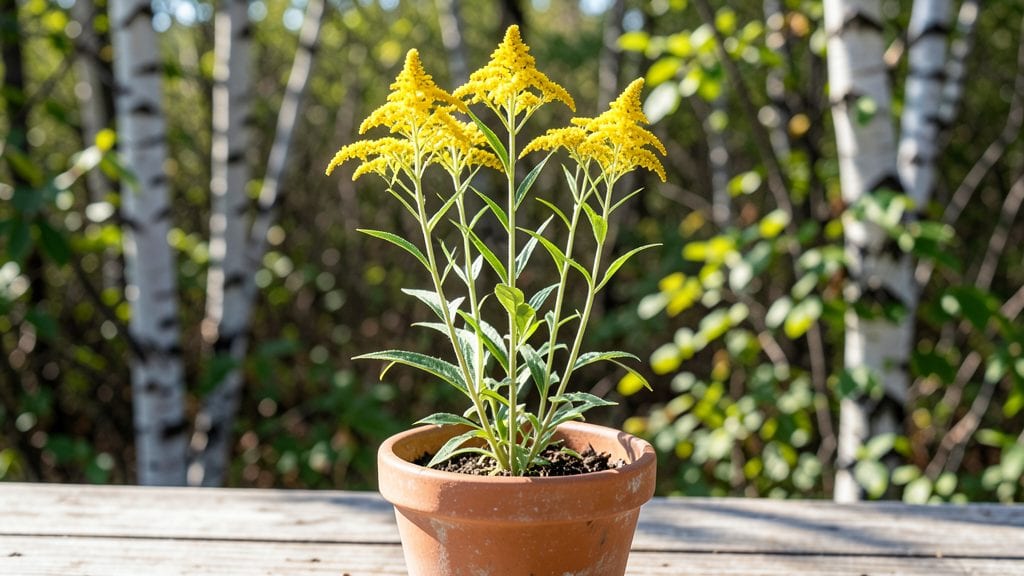
A yellow flower stalk on your Goldenrod 🌼 isn’t just an eyesore—it’s a red flag your plant is struggling, whether from disease, stress, or hidden pests.
Seeing those once-vibrant stalks turn pale or sallow can feel like a gut punch, especially when you’ve poured time and care into your garden. The good news? Most yellowing isn’t a death sentence—it’s a call for action, and diagnosing it early can save your plant before the damage spreads.
Whether it’s a nutrient deficiency, fungal infection, or something as simple as overwatering, each cause leaves its own clues. I’ll walk you through the most common reasons behind yellowing flower stalks and the simple fixes that work for Goldenrod and other sun-loving perennials.
By the end, you’ll know exactly how to inspect your plants, treat the root cause, and keep those bright blooms thriving—no guesswork required.
5 Common causes of yellow flower stalk discoloration in plants
Yellowing flower stalks can turn a vibrant garden into a sad sight, but the good news is that most causes are fixable. Whether you're growing sunflowers, roses, or dahlias, understanding the root issue is the first step to restoring your plant's health.
The key is recognizing the specific symptoms—some issues appear as soft yellowing, while others show crispy edges or blackened spots. Let’s break down the most common culprits and how to spot them early.
Before diving into solutions, it’s important to note that yellow flower stalks often signal a deeper problem. Ignoring the issue can lead to drooping blooms, stunted growth, or even plant death. The sooner you identify the cause, the faster you can take action.
Start by examining the stalks closely—look for discoloration patterns, textural changes, and any accompanying symptoms like leaf spots or pest activity. Here’s what to watch for:
Yellowing starts at leaf bases or flower stalks, often with green veins. Common in overwatered or poor soil.
Stalks appear yellowish-brown with fuzzy white or gray mold. Often spreads in humid or crowded conditions.
Stalks turn yellow and watery, often with oozing lesions. Spreads rapidly in wet conditions.
Stalks yellow evenly with wilted or crispy edges. Often seen in extreme heat or poor drainage.
Stalks show speckled yellowing or holes, often with sticky residue (aphid honeydew) or fine webbing.
If you notice yellow flower stalks paired with green veins, your plant may be suffering from a magnesium deficiency, often called chlorosis. This is common in alkaline soils or when plants are overwatered.
Test your soil’s pH using a soil test kit—ideal levels for most flowers range between 6.0 and 7.0. If the pH is too high, amend the soil with sulfur or peat moss to lower it gradually.
Fungal infections like powdery mildew or botrytis often appear as white powdery spots or gray mold on flower stalks. These thrive in humid conditions, so improve air circulation by pruning crowded foliage and avoiding overhead watering.
Apply a copper fungicide or baking soda spray (1 tsp baking soda + 1 quart water + a drop of dish soap) to prevent spread. Remove severely infected stalks immediately to stop the fungus from spreading to healthy parts of the plant.
Bacterial diseases, such as bacterial blight, cause water-soaked lesions that turn yellow or brown. Unlike fungal issues, bacterial problems often ooze a clear or yellow liquid when touched. Unfortunately, there’s no cure for bacterial infections—your best defense is prevention.
Sterilize pruning tools with rubbing alcohol, remove infected plant debris, and avoid overhead irrigation to keep foliage dry. Choosing disease-resistant varieties of flowers can also reduce your risk.
Environmental stress, particularly from overwatering or heat stress, can cause uniform yellowing of flower stalks. Overwatering deprives roots of oxygen, leading to root rot, while extreme heat causes wilting and crispy edges.
To fix overwatering, let the soil dry out between waterings and ensure pots have drainage holes. For heat stress, provide afternoon shade during peak summer months and mulch around the base of plants
Step-by-step guide to diagnosing and treating yellow flower stalk problems
Yellowing flower stalks can turn a vibrant garden into a sad sight, but don’t toss those plants just yet. The key to revival starts with a thorough inspection and targeted action.
I’ll walk you through my proven 5-step diagnostic process to identify the root cause—whether it’s nutrient deficiency, fungal infection, or environmental stress—and how to treat it effectively.
Start by examining the leaves and stems closely. Look for spots, wilting, or discoloration beyond just the stalks. Healthy leaves should be firm and green, while diseased ones may show yellowing edges or blackened veins.
This visual assessment helps narrow down potential issues before diving deeper into soil tests or pest checks.
⚠️ Critical Warning: Act Fast!
If your flower stalks are yellowing and mushy to the touch, it could signal bacterial soft rot or fungal blight. These conditions spread rapidly—remove affected stalks immediately to prevent contagion. For sunflowers or dahlias, isolate the plant until you confirm the issue.
Next, test your soil pH using a simple kit from your local garden center. Most flowering plants thrive in slightly acidic to neutral soil (pH 6.0–7.0). If your reading is off, amend the soil with lime (to raise pH) or sulfur (to lower pH).
For example, roses often suffer from yellow stalks when soil pH drops below 6.0, causing chlorosis—a nutrient uptake failure.
Check for pests like aphids or spider mites, which suck sap and leave behind sticky residue (honeydew). Use a magnifying glass to inspect the undersides of leaves and along stalks.
If you spot tiny insects, blast them off with a strong spray of water or apply neem oil for organic control. Repeat treatments every 3–5 days until pests disappear.
For fungal infections like powdery mildew, prune infected stalks 1 inch below the yellowing area using sterilized shears. Dispose of clippings in a sealed bag to avoid reinfection.
Follow up with a copper fungicide (like Copper Soap) or baking soda spray (1 tsp baking soda + 1 quart water + a drop of dish soap) applied every 7–10 days until new growth appears healthy.
If the issue stems from overwatering or poor drainage, adjust your care routine. Water only when the top 1–2 inches of soil feel dry, and ensure pots have drainage holes.
For container-grown plants like petunias, reduce watering to every 5–7 days in summer. Pair this with a well-draining potting mix to prevent root rot, which often manifests as yellowing stalks.
Finally, fertilize with a balanced, slow-release fertilizer (like 10-10-10 NPK) to replenish lost nutrients. Apply it early in the morning when plants can absorb it without stress.
Monitor progress over 2–3 weeks—if stalks remain yellow, consider a soil test for deficiencies like magnesium (Epsom salt) or iron (chelated iron).