
Flowers
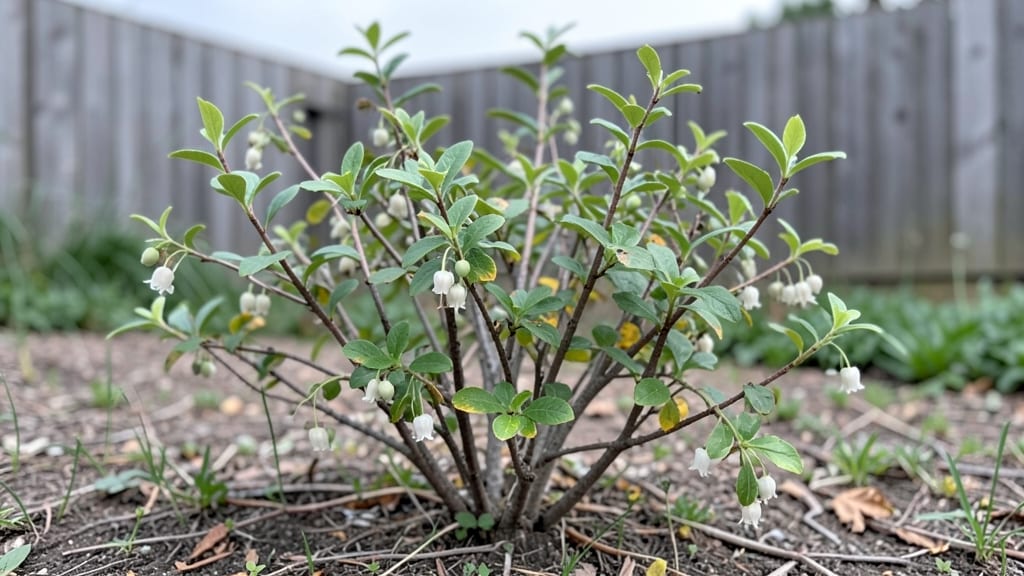
Wild blueberry flowers transform your garden into a fragrant magnet for bees all summer long. 🌿 I’ve grown these delicate blooms for years—they’re not just pretty, they’re tougher than they look, thriving where other plants struggle.
The key is matching their exact needs: acidic soil, partial shade, and patience, because these aren’t the instant-gratification blueberries from the grocery store.
You’ll need low-pH soil (think 4.5–5.5) and a spot that gets morning sun but afternoon shade—wild blueberries hate hot, dry afternoons. Start with cuttings or bare-root plants in early spring, because seeds take forever to flower.
Water consistently but avoid soggy soil, and mulch heavily to keep roots cool. The first year is all about establishing roots; blooms come in year two or three, but once they arrive, they’re relentless.
By midsummer, your bushes will be covered in bell-shaped white or pink flowers that hum with pollinators, followed by those tiny, tart berries. The fragrance alone makes it worth the wait—like a coastal breeze in your yard.
These plants also handle poor soil better than most, making them perfect for rocky or sandy spots where other shrubs give up.
The biggest challenge? Pollination. Hand-pollinating with a paintbrush helps if bees are scarce, and pruning old wood after fruiting keeps the plant productive. Wild blueberries adapt to zones 3–7, so they’re one of the few shrubs that work from northern forests to cooler mountain regions.
Ready to grow your own bee-friendly blueberry paradise?
📚 In This Guide
- What you need
- Instructions
- Tips and common mistakes
- Wrapping up and next steps
What you need
- ● Wild blueberry plants: Choose Vaccinium angustifolium (lowbush blueberry) or Vaccinium corymbosum (highbush blueberry) varieties. Start with 3–5 healthy nursery-grown plants (avoid wild-harvested plants unless you’re experienced).
- ● Well-draining acidic soil: Aim for a pH between 4.5–5.5. Amend garden soil with peat moss or sulfur if your soil is alkaline.
- ● Organic mulch: 2–3 inches of pine needles or wood chips to retain moisture and acidity.
- ● Slow-release fertilizer: A balanced acidic fertilizer (e.g., 10-10-10 or 16-4-8) with micronutrients like iron and magnesium.
- ● Pruning shears: Sharp, sterilized shears for trimming dead or overgrown branches.
- ● Garden gloves: To protect hands from thorns and acidic soil.
- ● Watering can or drip irrigation: Blueberries need consistent moisture—avoid overhead sprinklers to prevent fungal diseases.
- ○ Row cover or netting (optional): To protect flowers from late frosts or pests like birds.
- ● Soil pH test kit: To monitor acidity levels year-round.
- ● Compost or worm castings: For extra nutrients without altering pH drastically.
- ● Blueberry companion plants: Like thyme, clover, or ferns to improve soil health.
- ● Pollinator-friendly plants: Nearby lavender, bee balm, or wildflowers to attract bees and boost flower production.
Step-by-step instructions for cultivating wild blueberry flowers
Here’s how to coax fragrant blueberry blooms from your garden—naturally and with minimal fuss.
🌱 Step 1: Choose the Right Location and Soil
Wild blueberries thrive in acidic, well-draining soil with a pH between 4.0 and 5.5. Test your soil—if it’s alkaline, amend it with sulfur or peat moss (mix in 1-2 cups per square foot). They also need full sun—at least 6-8 hours daily—so pick a spot where they won’t be shaded by trees or buildings.
I always dig a 12-inch-deep hole for each plant, twice as wide as the root ball. This loosens compacted soil and encourages root spread. If your soil drains poorly, add a 4-inch layer of coarse sand to the bottom of the hole before planting. Blueberries hate soggy feet, so good drainage is non-negotiable.
🪴 Step 2: Plant Bare-Root or Container-Grown Blueberries
For bare-root plants, soak the roots in lukewarm water for 2 hours before planting. This revives dormant roots and helps them establish faster. Dig the hole deep enough so the top of the root ball sits 1-2 inches above ground level—this prevents rot during heavy rains.
If using container-grown plants, remove them from the pot and gently loosen the roots. Place them in the hole at the same depth they were growing before. Backfill with soil, pressing lightly to eliminate air pockets. Water deeply right after planting to settle the soil and eliminate gaps.
☀️ Step 3: Mulch and Water for Healthy Growth
Spread 3-4 inches of pine straw or wood chips around each plant, keeping it 2-3 inches away from the stem. This mimics their natural forest-floor habitat and keeps roots cool in summer. Avoid fresh wood chips—they can rob nitrogen from the soil as they decompose.
Water deeply once a week (or more in extreme heat) to encourage deep root growth. You’ll know you’ve watered enough when 2-3 inches of soil feel moist at the root level. Overwatering is a common mistake—blueberries are tough but won’t tolerate soggy conditions. Let the top 1-2 inches dry out between waterings in summer.
✂️ Step 4: Prune and Fertilize for Maximum Blooms
In late winter or early spring, prune out dead, diseased, or crossing branches to improve airflow. Cut back any stems that grew more than 18 inches tall the previous season—they’ll produce fewer flowers. Blueberries bloom on new wood, so avoid heavy pruning in fall.
Fertilize in early spring with an acid-loving plant fertilizer (look for one with high nitrogen for leaf growth and low phosphorus). I use ½ cup per plant, spread evenly around the drip line. Water it in immediately to prevent root burn. Skip fertilizing in fall—it encourages tender new growth that won’t survive winter.
🐝 Step 5: Encourage Pollinators and Protect Flowers
Blueberry flowers are bee magnets, but they’re also vulnerable to frost damage. If a hard freeze is forecast while buds are forming, cover plants with frost cloth at dusk. Remove it by 10 AM so bees can access the nectar. The flowers are most fragrant in the morning, so that’s the best time to spot pollinators.
Watch for blueberry maggot flies—they lay eggs in ripening berries. If you see small holes in fruit, pick and discard affected berries immediately. A row cover over flowers can prevent infestations entirely. With proper care, your plants will reward you with months of fragrant blooms and a steady stream of pollinators.
Tips & tricks for cultivating wild blueberry blooms
Here's what I've learned after years of growing fragrant blueberry flowers—these tricks will help you avoid common pitfalls and get the most spectacular blooms.
Soil pH is non-negotiable: Wild blueberries are fussy about their soil pH, and those 4.0-5.5 levels are critical for flower production. I test my soil every spring and add sulfur or peat moss if needed—don't skip this step! You can also plant blueberries in containers with acid-loving mix if your garden soil is too alkaline. The flowers simply won't thrive outside these pH parameters.
Root revival matters: That 2-hour soak for bare-root plants in Step 2 isn't optional—it's what revives dormant roots. I've seen plants wilt dramatically after planting when skipped. Use lukewarm water (not hot) and soak roots completely. For container plants, gently loosen those roots before planting to prevent root circling, which can strangle new growth.
Watering wisdom: The deep watering once a week in Step 3 might seem counterintuitive in summer, but it's what encourages those deep roots that support heavy flower clusters. Check soil moisture by digging down 2-3 inches—if it's dry at that depth, water again. Morning watering is best as it prevents fungal issues that can rot flower buds before they open.
Pruning precision: When you're pruning in late winter, focus on removing stems that grew more than 18 inches last season—they'll produce fewer flowers. I always make my cuts just above a bud or branch junction, and I never remove more than 25% of the plant's total growth—this keeps the plant strong enough to support abundant blooms. The key is to prune when the plant is dormant but buds are starting to swell.
Pro Tips for Wild Blueberry Flowers
- Here's what I've learned after years of growing fragrant blueberry flowers—these tricks will help you avoid common pitfalls and get the most spectacular blooms.
- Soil pH is non-negotiable: Wild blueberries are fussy about their soil pH, and those 4.0-5.5 levels are critical for flower production.
- Root revival matters: That 2-hour soak for bare-root plants in Step 2 isn't optional—it's what revives dormant roots.
Frequently asked questions
Got questions about growing wild blueberry flowers? Here are some of the most common ones—plus answers to help you cultivate fragrant blooms with ease!
When do wild blueberry flowers bloom, and how long do they last?
Wild blueberry flowers typically bloom in early to mid-spring (April–May in most U.S. zones), depending on climate. The delicate white or pink blossoms last 2–3 weeks, but their fragrance attracts pollinators like bees for weeks afterward. For a longer display, plant multiple varieties with staggered blooming times!
Why aren’t bees visiting my wild blueberry flowers?
If bees skip your blooms, check these fixes:
- Timing: Ensure flowers are open (they bloom in waves).
- Location: Plant near other bee-friendly flowers (e.g., clover, lavender).
- Pesticides: Avoid chemicals—even "natural" sprays can repel pollinators.
- Water: Light morning watering keeps flowers hydrated (but avoid soggy soil).
Pro tip: Hand-pollinate with a soft brush if needed!
Can I grow wild blueberry flowers in containers?
Yes! Use large pots (12"+ diameter) with acidic soil (pH 4.5–5.5) and good drainage. Dwarf varieties like ‘Top Hat’ thrive in containers. Just ensure they get 6+ hours of sun and regular watering. Bonus: Container-grown plants are easier to protect from pests!
What’s the difference between wild blueberry flowers and cultivated blueberry flowers?
Wild blueberry flowers are smaller, more delicate, and fragrant than cultivated varieties, which are bred for larger berries. Wild types (like Vaccinium angustifolium) have pink-tinged edges and grow in acidic, sandy soils. Cultivated flowers are often white and sturdier but may lack the same sweet scent. Both attract pollinators!
Can I propagate wild blueberry flowers from cuttings?
Take 4–6 inch softwood cuttings in early summer, dip in rooting hormone, and plant in moist, acidic soil. Keep them humid and shaded until roots form (4–6 weeks). Tip: Use a plastic bag to create a mini greenhouse effect!
What pests or diseases should I watch for?
Common issues include:
- Blueberry maggots: Tiny white flies—use row covers during bloom.
- Fungal spots: Prune infected leaves and avoid overhead watering.
- Mites: Spray with neem oil if you spot webbing.
Prevention is key: Space plants for airflow and mulch with pine needles to deter pests.
Wrapping up and next steps
Wild blueberry flowers aren’t just a feast for the eyes—they’re a fragrant, bee-friendly powerhouse that can transform your garden into a buzzing, blooming paradise! 🐝 From selecting the right site to nurturing your plants with care, every step brings you closer to those stunning, delicate blooms that’ll keep pollinators visiting all summer.
Whether you’re a seasoned gardener or a curious beginner, the key is patience and a little love.
Ready to take the next step? Start small—plant a few bushes this spring and watch your garden thrive. Before you know it, you’ll be harvesting those tiny, antioxidant-packed berries and admiring the showstopping flowers. Happy gardening! 🌱