
Pruning
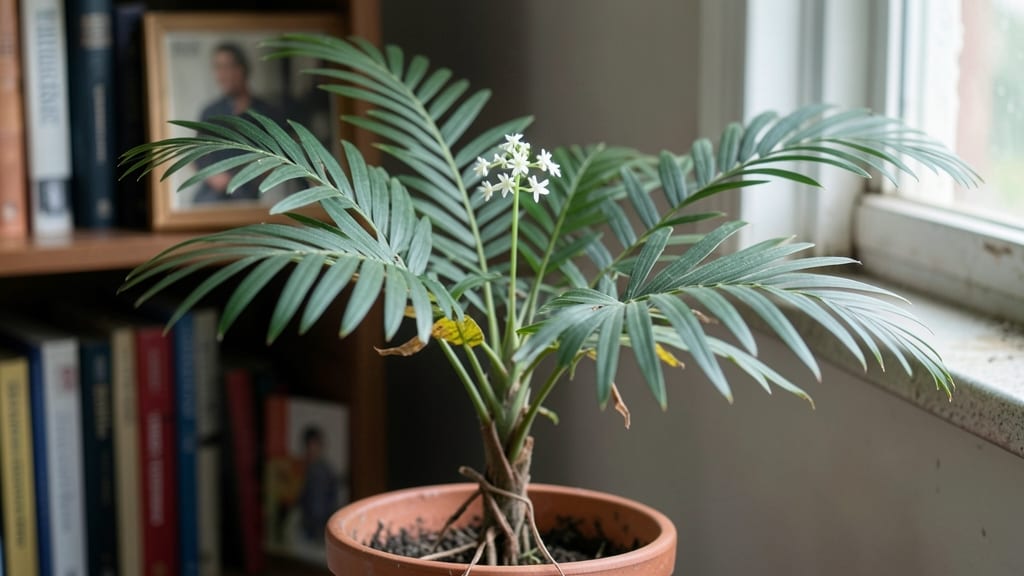
The flowering fern tree brings a jungle-like elegance to any space without the fuss of deadheading. 🌿 I’ve grown these striking plants for years, and the secret to their lush, year-round beauty lies in mimicking their natural tropical habitat—something even beginners can master with the right approach.
These plants thrive in bright, indirect light, making them perfect for indoor spots near windows or shaded outdoor areas. The soil should stay consistently moist but never soggy—think of a well-drained mix that holds humidity like a rainforest floor.
A few inches of organic matter in the soil keeps roots happy, and a humidifier or pebble tray can work wonders if your air feels dry.
Pruning is minimal—just trim any yellowed fronds at the base to encourage fresh growth. Unlike flowering shrubs, these trees reward patience with velvety foliage that stays vibrant all season. The key is avoiding overwatering, which leads to root rot, and giving them space to grow their natural, graceful shape.
Outdoor varieties can handle partial shade, while indoor types need bright, filtered light to prevent leggy growth. With the right care, your flowering fern tree will become a stunning focal point—no deadheading required. Let’s get yours thriving!
📚 In This Guide
- What you need
- Instructions
- Tips and common mistakes
- Wrapping up and next steps
What you need
- ● Flowering fern tree (Sciadopitys verticillata) – 1 nursery-grown plant (3–5 ft tall) or seeds (if propagating from scratch).
- ● Well-draining potting mix – 5–10 gallons (for containers) or amended garden soil (for in-ground planting). Pro tip: Mix in perlite or sand for aeration! 🌡️
- ● Organic fertilizer – Balanced 10-10-10 or slow-release granules (1–2 lbs per planting site).
- ● Mulch – 2–3 inches of pine bark or wood chips to retain moisture and regulate soil temp.
- ● Garden trowel or shovel – For digging planting holes (12–18 inches wide/deep).
- ● Pruning shears – Sharp, sterilized shears (for shaping and minor trims).
- ● Watering can or hose with nozzle – Gentle spray attachment to avoid damaging delicate foliage.
- ● Gloves – Heavy-duty gardening gloves (to protect from thorns or rough bark).
- ○ Optional: Container with drainage holes (15–20 gallons for mature trees).
- ● Soil pH test kit (ideal range: 5.5–6.5).
- ● Epsom salt (for magnesium boosts if leaves yellow).
- ● Sunlight access – Partial shade to full sun (6+ hours/day for optimal growth).
- ● Spacious planting area – Mature trees reach 30–50 ft tall; space accordingly!
- ● Patience – Slow grower (1–2 ft per year); enjoy the journey! ✨
Step-by-Step instructions for cultivating a thriving flowering fern tree
Here’s how to nurture a flowering fern tree with minimal fuss—no deadheading required.
🌱 Step 1: Select the Right Location and Prepare the Soil
The flowering fern tree thrives in partial shade to dappled sunlight, making it perfect for understory planting or near trees where it gets morning sun and afternoon shade. Avoid full sun—leaves will scorch, and the delicate blooms won’t last. Test your spot by observing how much light it receives throughout the day; aim for 4-6 hours of filtered light daily.
Amend the soil with 2-3 inches of organic compost mixed into the top 12 inches of earth. Flowering fern trees prefer well-draining, slightly acidic soil (pH 5.5-6.5). Work in a handful of sulfur or peat moss if your soil tests alkaline. Dig a hole twice as wide as the root ball but only as deep—planting too deep suffocates roots and causes rot.
🪴 Step 2: Plant with Care to Ensure Stable Growth
Gently remove the flowering fern tree from its container and loosen the roots if they’re circling. Place it in the hole so the top of the root ball sits level with the surrounding soil—never deeper. Backfill with native soil mixed with compost, pressing lightly to eliminate air pockets. Water deeply (about 1 gallon) to settle the soil and encourage root contact.
Mulch around the base with 2-3 inches of shredded bark or pine needles, keeping it 3 inches away from the trunk to prevent moisture buildup. This mimics the tree’s natural woodland habitat and retains moisture while suppressing weeds. Avoid thick mulch layers—they can smother roots and attract pests.
☀️ Step 3: Water Consistently Without Overdoing It
Flowering fern trees are drought-tolerant once established, but young plants need 1-2 inches of water weekly during the first growing season. Water deeply (soaking the soil to 12 inches down) every 5-7 days, adjusting for rainfall. Check moisture by sticking your finger 2 inches into the soil—if it’s dry, water; if damp, wait. Overwatering causes root rot, while underwatering leads to crispy leaf edges.
Reduce watering in late fall and winter—these trees enter dormancy and only need moisture to prevent the soil from drying out completely. A soaker hose or drip irrigation system delivers water directly to roots, minimizing leaf burn and fungal risks. Avoid overhead watering, which can damage delicate blooms.
✂️ Step 4: Prune Strategically for Health and Shape
Pruning isn’t just about aesthetics—it encourages lush foliage and vibrant blooms. Remove dead, diseased, or crossing branches in early spring before new growth starts. Use clean, sharp pruners to make cuts just above a leaf node or bud, angled slightly downward to prevent water pooling. Never cut into old wood; flowering fern trees bloom on new growth, so prune after flowering to preserve next year’s blooms.
Shape the tree lightly by trimming leggy stems back by one-third to promote bushier growth. Avoid heavy pruning—this tree grows slowly, and aggressive cuts stress it. If you notice yellowing leaves, prune them immediately to redirect energy to healthy growth. Fertilize lightly in spring with a balanced, slow-release fertilizer (10-10-10) to support flowering without burning roots.
🌿 Step 5: Protect and Maintain for Long-Term Beauty
Flowering fern trees are low-maintenance but benefit from seasonal care. In late winter, apply a 2-inch layer of mulch to insulate roots from freezing temperatures. Watch for scale insects or spider mites—spray affected areas with neem oil or insecticidal soap if you spot sticky residue or webbing. Preventative care keeps pests at bay without harsh chemicals.
These trees are naturally pest- and disease-resistant, but poor drainage or compacted soil invites trouble. Aerate the soil annually with a garden fork to improve root health. If your tree drops leaves in fall, don’t panic—it’s normal dormancy. Water sparingly until spring, then resume regular care. With minimal effort, your flowering fern tree will reward you with year-round elegance and seasonal blooms.
Tips & tricks for perfect flowering fern tree cultivation
These simple yet game-changing tips will help you cultivate a flowering fern tree that thrives with minimal effort and maximum beauty.
Lighting Insight: The 4-6 hours of filtered light mentioned in Step 1 is crucial—think of it as the tree's "goldilocks zone." Position your tree where it gets morning sunlight and afternoon shade, like under a taller tree or on the east side of your property. I've seen fern trees in full sun develop brown patches within weeks, while those in perfect filtered light grow lush and vibrant. Use sheer curtains on a sunny window if planting indoors to mimic this natural light filter.
Soil Preparation Secret: Don't just amend the top 12 inches of soil—focus on creating a "sponge-like" texture throughout that depth. I like to mix in a handful of perlite with the organic compost to improve drainage while maintaining moisture retention. This prevents the compacted soil issue mentioned in Step 5 from day one. For alkaline soils, test your pH first—some garden centers offer quick test kits. If your soil tests above 6.5, you'll need more sulfur than you think to adjust it properly.
Watering Technique: That 1-2 inches of water weekly guideline in Step 3 is perfect, but here's how to make it foolproof: Water in the early morning so the leaves have all day to dry, reducing fungal risks. Use the "finger test" at 2 inches depth—if it feels dry, water until moisture reaches 12 inches down. I've found that young trees often need watering every 5 days in hot weather, while established ones can go 7 days. The key is consistency, not strict adherence to the schedule.
Pruning Precision: When trimming leggy stems back by one-third in Step 4, always cut just above a leaf node where you see a small bump or bud. This encourages new growth from that exact spot. I carry a small magnifying glass when pruning to identify these nodes clearly. And remember—never prune when the tree is flowering. The blooms are on old growth, and cutting them removes next year's flowers. The "after flowering" timing is everything for maintaining that year-round grace.
Pro Tips for Flowering Fern Tree
- These simple yet game-changing tips will help you cultivate a flowering fern tree that thrives with minimal effort and maximum beauty.
- Lighting Insight: The 4-6 hours of filtered light mentioned in Step 1 is crucial—think of it as the tree's "goldilocks zone."
- Soil Preparation Secret: Don't just amend the top 12 inches of soil—focus on creating a "sponge-like" texture throughout that depth.
Frequently asked questions
Got questions about nurturing your flowering fern tree? You’re not alone! Here are some of the most common queries—plus quick answers to keep your tree thriving with minimal fuss.
Do flowering fern trees need deadheading?
Nope! Unlike many flowering plants, these beauties don’t require deadheading. Their blooms are light and airy, and they focus on foliage year-round. Prune only to shape or remove leggy growth—no need to chase flowers.
How fast do flowering fern trees grow?
Expect moderate growth: 12–24 inches per year under ideal conditions. In containers, growth may slow slightly, but they’re low-maintenance and adaptable. Patience pays off with lush, dense foliage over time!
Can I grow a flowering fern tree in a pot?
They thrive in containers with well-draining soil and a pot size slightly larger than their root ball. Just ensure it has drainage holes and repot every 2–3 years for optimal health.
Are flowering fern trees cold-hardy?
Most varieties tolerate USDA Zones 8–11. In colder climates, grow them in containers and move them indoors or to a sheltered spot before frost. A light frost cloth can help if you’re pushing their limits!
Why aren’t my flowering fern tree’s leaves as vibrant?
Dull foliage often signals low light, overwatering, or poor soil. Try moving it to bright, indirect light and water only when the top inch of soil is dry. A balanced fertilizer in spring can also revive color.
Wrapping up and next steps
The flowering fern tree is a stunning, low-maintenance plant that rewards patience with vibrant blooms and lush foliage—and yes, you really can skip deadheading! 🌿 Whether you’re drawn to its delicate flowers or year-round elegance, this guide has given you the tools to nurture it effortlessly.
Now that you’re armed with the right soil, pruning tips, and care secrets, it’s time to roll up your sleeves and plant your own—or share your newfound knowledge with fellow plant lovers!
Next step: Pick a sunny spot, gather your supplies, and watch your flowering fern tree thrive with minimal fuss. Happy gardening! 🌟